Your Assumptions Are Costing Sales
🧠 You think customers see your brilliance, but they only see themselves at checkout.

Hey there 🧠
Ready for another day of staying ahead of the competition in the Growth race?
Oh and before we go ahead! If your friend sent this to you, be sure to subscribe here! So you don’t miss out on any editions.
Partnership with Delve
Migrate to Delve and get a $2,000 VISA card in your inbox
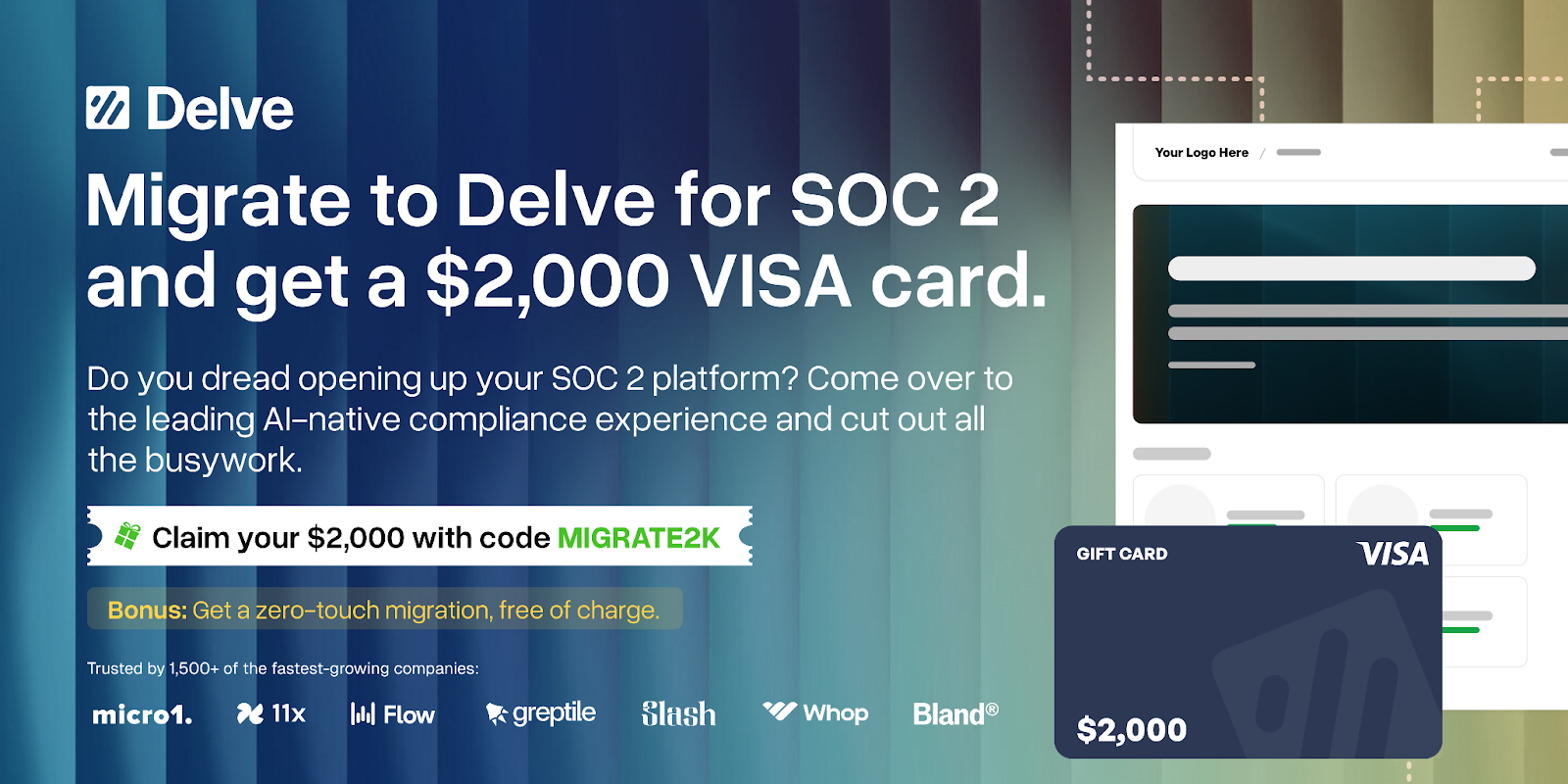
Delve is the AI-native compliance platform that actually does the work for you, auto-collecting evidence from AWS, GitHub, and your stack so you don't have to chase screenshots or babysit integrations.
Use AI security questionnaire tooling, AI Copilot, and everywhere else to make compliance feel less dreadful. Welcome to the new age.
The proof is in the pudding:
Bland → Switched, got compliant, and unlocked $500k ARR in 7 days
11x → Streamlined audits and moved faster on enterprise deals
micro1 → Scaled compliance without adding headcount.
Bonus: Delve will handle your migration for free. Zero-touch. No disruption. No starting over.
If you're dreading opening your current SOC 2 tool, that's your sign.
💡 Egocentric Bias: Why Your Customers Don’t See What You See
You think your new campaign is brilliant.
Your customers barely notice.
Egocentric Bias is our tendency to assume others see, think, and care about the same things we do. Psychologists call it the “spotlight effect.” We overestimate how much others pay attention to our perspective.
Customers do the opposite.
They don’t see your brand. They see themselves.
If your UX, messaging, or product forces them to adopt your perspective, friction rises. Conversions fall.
Here is how to counter it.
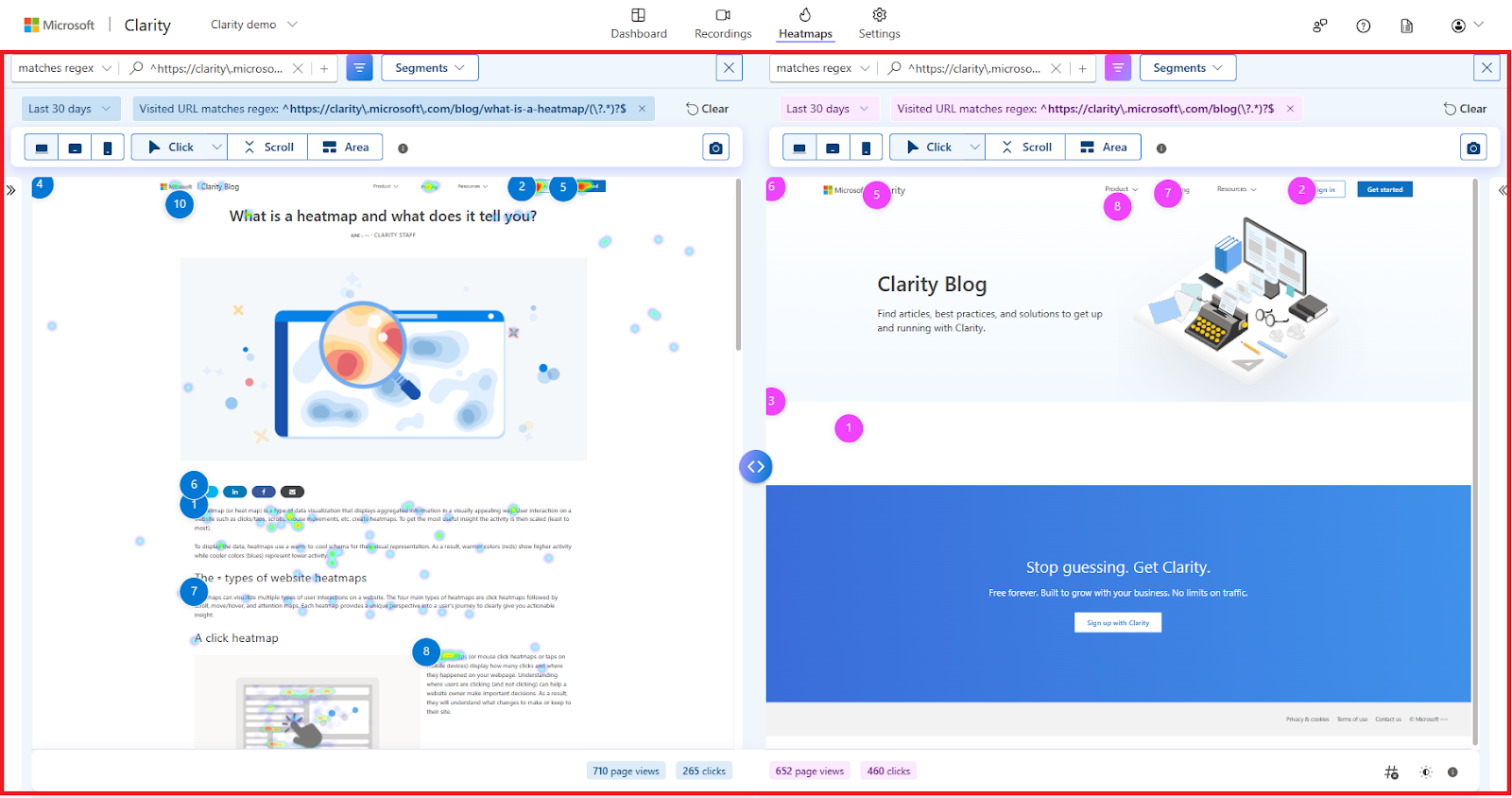
1️⃣ Replace Assumptions With Observation: You might think your best-produced ad will win. Often, it doesn’t. Tools like Hotjar or Microsoft Clarity reveal how users actually behave. Watch real sessions. Let behavior override internal opinion.
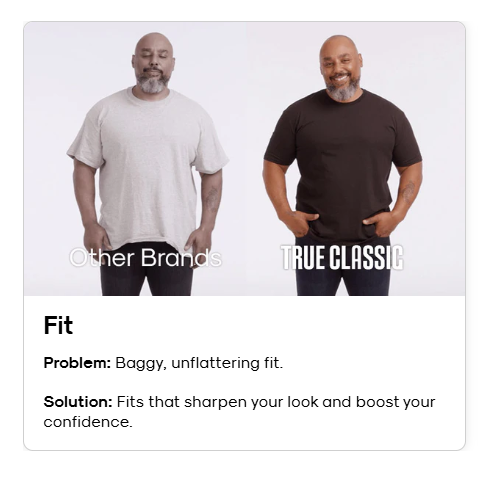
2️⃣ Write You Centric Copy: Customers care about their problems, not your features. Mirror their internal monologue. True Classic does not sell “premium cotton.” They sell confidence by addressing concerns like hiding a “dad bod.” Use Voice of Customer research to reflect real language back to the user.
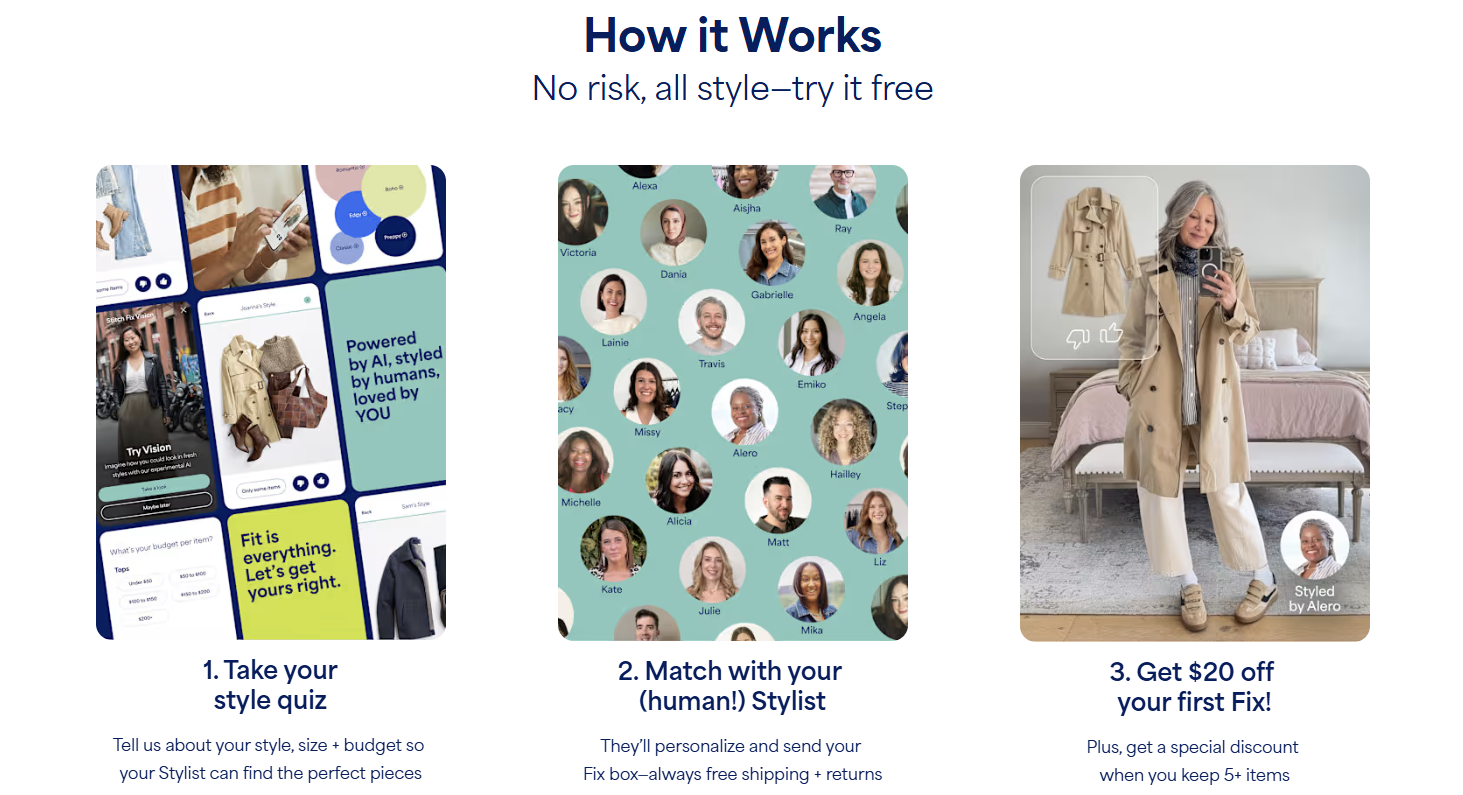
3️⃣ Let Users Build Their Experience: Stitch Fix starts with a detailed style quiz before showing products. The result feels personalized, not pushed. When customers input preferences first, recommendations feel like confirmation, not persuasion.
4️⃣ Design Every Touchpoint As A Mirror: Shift from “Look at us” to “This is about you.” When customers feel seen, resistance drops.
The Takeaway
Customers evaluate your brand through their own lens. The more your experience reflects their worldview, the less they feel sold to. Replace assumptions with data, features with empathy, and persuasion with personalization. That is how you neutralize egocentric bias.
💡 Don’t Make Your Checkout Feel Like 2005
If checkout feels outdated, conversions drop.
Shoppers expect the same ease online that they get tapping a card in store. Payment flexibility is no longer a bonus. It is expected.
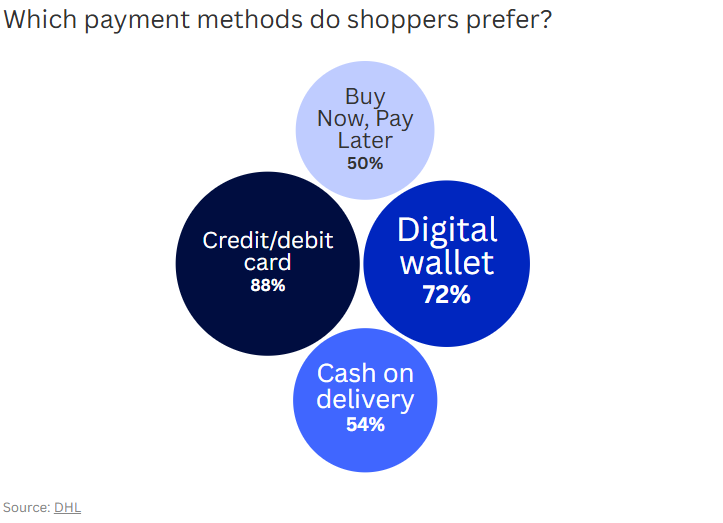
Here is what the data shows.
1️⃣ Cards Still Dominate: 88% of shoppers prefer credit or debit cards. They remain the baseline standard. If this experience is clunky, trust erodes fast.
2️⃣ Digital Wallets Are Mandatory: 72% of consumers use digital wallets like Apple Pay or Google Pay. These options reduce typing, speed up checkout, and remove friction.
3️⃣ BNPL Is Mainstream: 50% of shoppers now prefer Buy Now, Pay Later options. Flexible payments expand purchasing power and increase average order value.
4️⃣ Friction Equals Abandonment: Every additional field, redirect, or delay increases the likelihood of drop-off. Speed directly impacts revenue.
5️⃣ Offer At Least Two Fast Options: Integrate one one-click wallet option and one BNPL service. This captures both impulse buyers and budget-conscious shoppers.
The Takeaway
Payment variety is a competitive advantage. The smoother and more flexible your checkout, the fewer excuses customers have to abandon their cart. Modern payments do not just improve experience. They increase revenue.
As we prepare more "Growthful" content, we'd love to hear your thoughts on today's edition! Feel free to share this with someone who would appreciate it. 🥰