Winning invisible queries
🎯 Optimizing for unseen queries, while using naming to reduce customer anxiety.

Hey there 🧠
Ready for another day of staying ahead of the competition in the Growth race?
Oh and before we go ahead! If your friend sent this to you, be sure to subscribe here! So you don’t miss out on any editions.
Partnership with The Shift
The Only AI Newsletter Built for Output
Most AI newsletters flood you with tools, headlines, and hype. The Shift does the opposite.
Every issue cuts through the noise to show you what actually works, with real-world breakdowns of workflows, systems, and strategies that use AI to get real results, not just automate busywork.
Plus, get instant access to 3,000+ top tools, vetted prompts, and free courses so you can apply, not just absorb.
If you want less noise and more wins, you belong here.
💡 How To Move From Keyword Planning To Prompt Planning
If Google disappeared tomorrow, most content strategies would collapse overnight. That question is no longer hypothetical.
As Alex Birkett points out, online discovery is shifting away from search bars and toward answer engines like ChatGPT, Perplexity, and Gemini. And they do not behave like Google.
1️⃣ Why Keyword Planning Is No Longer Enough: Seer Interactive found that ninety-five percent of the queries answer engines have zero tracked search volume. These models use query fanout. A single user question triggers multiple hidden subqueries to construct an answer. Keyword tools never capture this activity, which means relying on them alone blinds you to real demand.
2️⃣ What Prompt Planning Actually Means: To capture this traffic, you need to plan around prompts instead of keywords. That starts with listening to real conversations. Sales calls, support tickets, demos, and onboarding sessions reveal multi-part problems prospects are actively trying to solve. A question repeated across a handful of ideal customers is more valuable than a high-volume keyword with vague intent.
3️⃣ How To Prioritize Prompt Worthiness: Alex recommends scoring topics across three dimensions. Buyer data asks whether customers actually raise the issue. Product alignment checks whether your product genuinely solves it. Channel validation looks for signs of demand through forums, citations, or search signals. If buyer relevance and product fit are strong, low volume should not stop you. That is often where high intent lives.
4️⃣ Structure Content For Answer Engines: Answer engines favor structured formats. Lists, comparison pages, and knowledge-driven articles make information easier to parse and cite. Pain point-driven content often triggers product mentions faster than broad category explanations. Studying citation patterns reveals what formats models already trust.
5️⃣ Set The Right Expectations: Prompt planning is not a quick win. Building the research foundation takes months, and traffic shifts take longer to materialize. But while competitors chase visible Google metrics, this approach builds long-term visibility inside systems that shape future discovery.
The Takeaway
Keyword planning optimizes for yesterday’s search behavior. Prompt planning aligns with how people now ask questions and how AI systems answer them. Brands that invest early may not win immediately, but they position themselves to be cited by the engines that matter next.
💡 The Rumpelstiltskin Effect And Why Naming The Problem Creates Trust
In the Brothers Grimm tale, power shifts the moment the imp is named. Once Rumpelstiltskin is spoken aloud, his grip disappears.
That story resonates because it mirrors real human psychology.
The Rumpelstiltskin Effect describes the immediate relief people feel when an unclear problem is given a clear name. Even before a solution appears, the anxiety drops. The unknown becomes known. Validation replaces confusion.
Your customers experience this every day. They struggle with vague frustrations, undefined business issues, and shapeless anxieties. The marketer who names those demons precisely earns attention and trust instantly.
1️⃣ Coin A Name For The Problem: Generic problems attract generic solutions. Specific problems demand specialists. When you give a frustration an official-sounding name, you validate the customer’s experience and give them language to describe it. Once they can say it, they believe you can solve it. StriVectin did this by naming “Tech Neck,” reframing neck wrinkles from inevitable aging to a modern, fixable, habit-driven issue. The product became an antidote, not a cream.

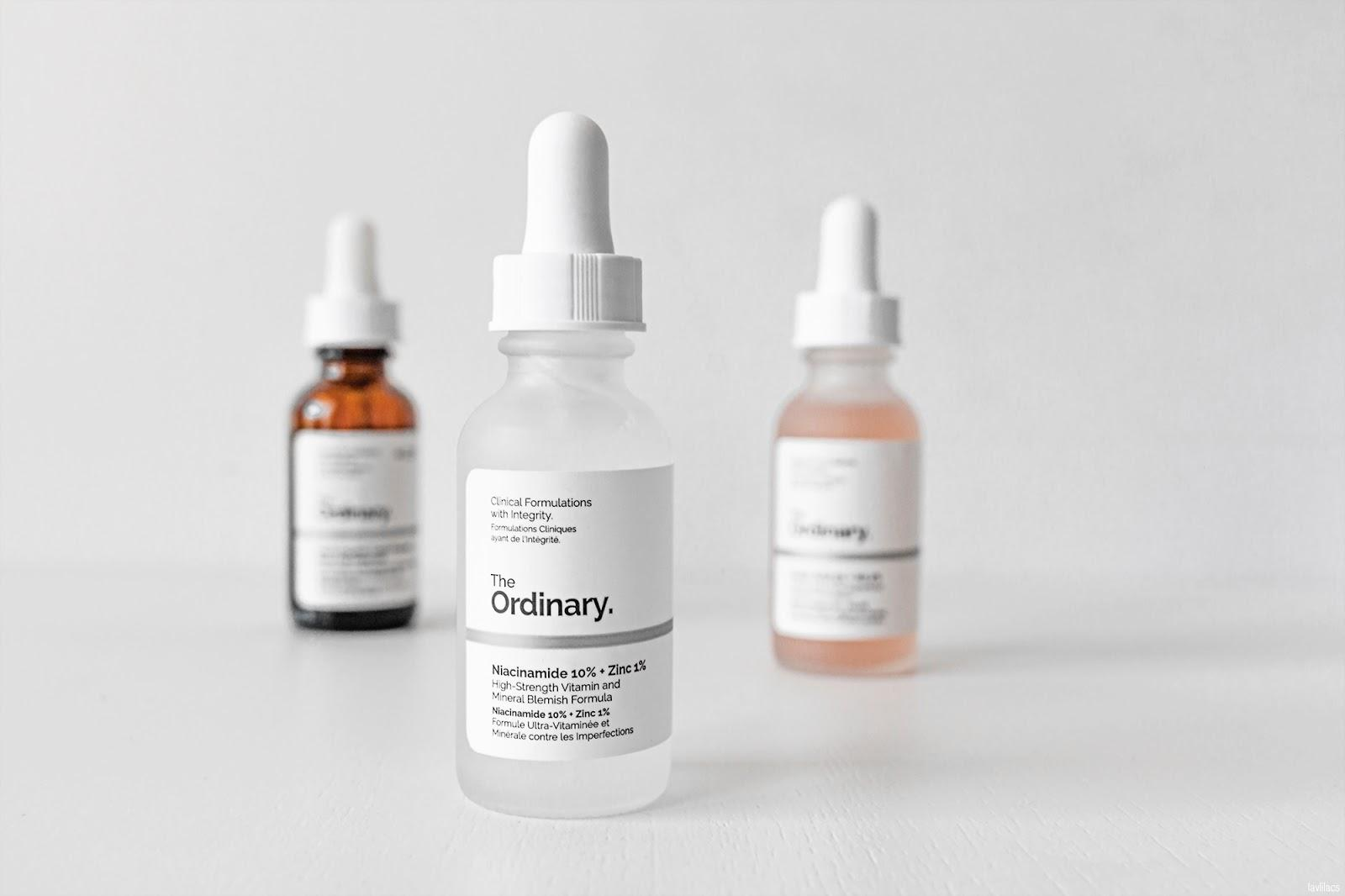
2️⃣ Brand Your Unique Mechanism: Naming does not stop at the problem. It also applies to the solution. Commodity features blend together, but branded mechanisms stand out. Memory foam is forgettable. CloudSupport Technology feels proprietary. Naming your method adds perceived authority and shifts competition away from price toward process. Brands like The Ordinary use clinical naming to signal precision, telling customers this is the exact remedy for their concern.
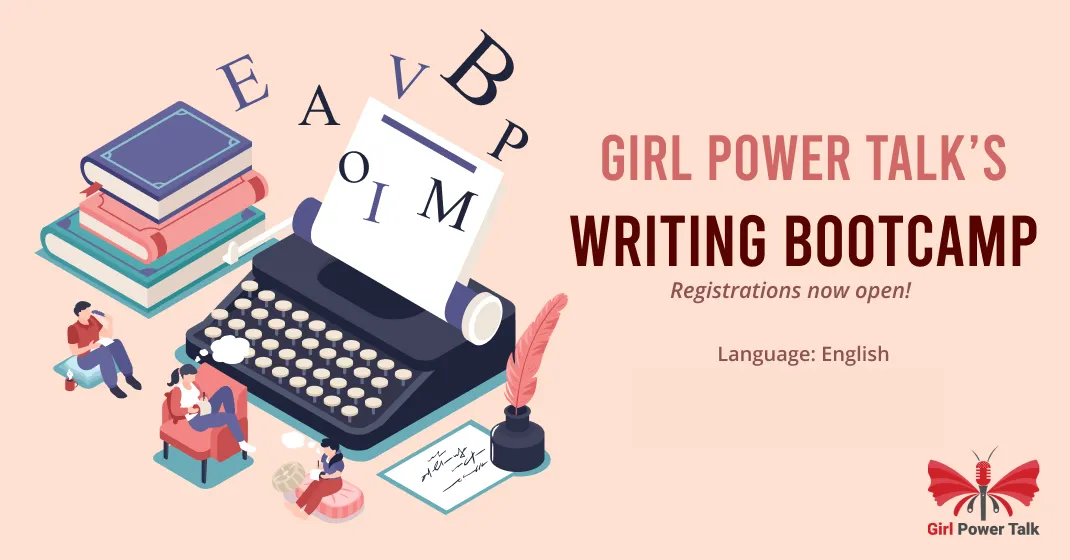
3️⃣ Name The Path Not Just The Promise: Overpromising transformation without effort backfires. Customers churn when reality does not match the magic. Instead of selling vague outcomes, name the process and the timeline. Challenges work because they label the struggle as much as the result. A 30 Day Writing Bootcamp feels achievable. Becoming a writer feels overwhelming. By naming the journey, you replace fantasy with a believable method.
The Takeaway
Naming creates relief. Relief creates trust. When you clearly label the problem, brand the mechanism, and define the path, you turn abstract anxiety into a solvable story. And when something has a name, it becomes far more compelling to buy.
As we prepare more "Growthful" content, we'd love to hear your thoughts on today's edition! Feel free to share this with someone who would appreciate it. 🥰