Why SEO Audits Fail
🚀 Learn how to perform smarter SEO audits, then identify your biggest cloud and AI security threats.

Hey there 🧠
Ready for another day of staying ahead of the competition in the Growth race?
Oh and before we go ahead! If your friend sent this to you, be sure to subscribe here! So you don’t miss out on any editions.
You Need To Check This Before You Scale Another Q4 Ad
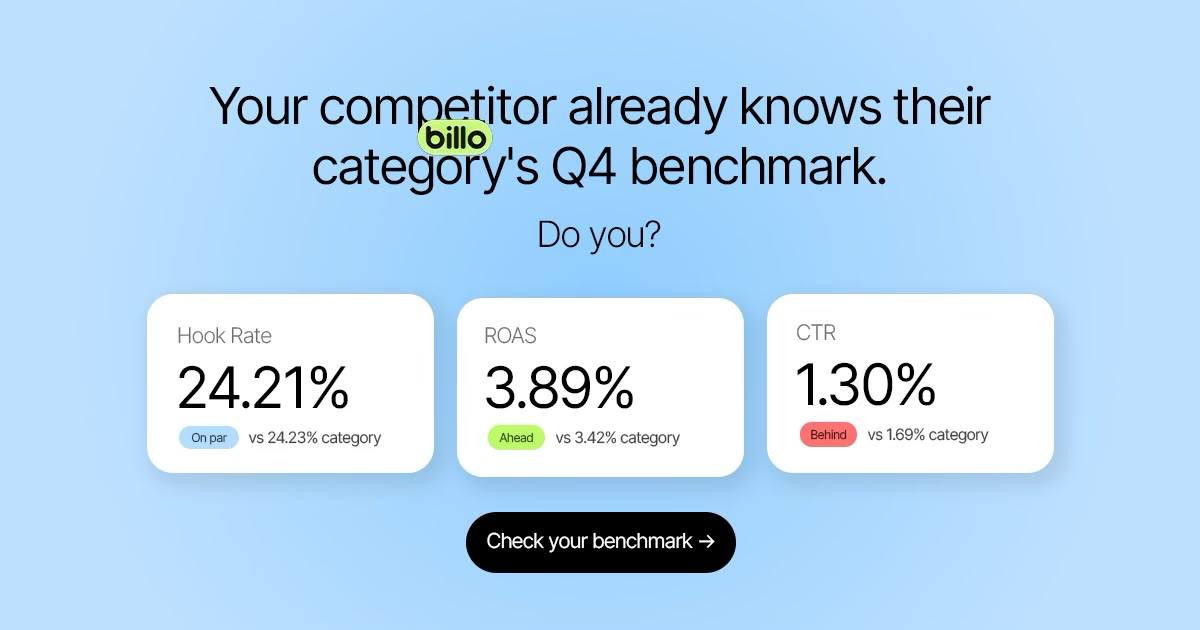
Your best-performing ad may be underperforming against the ads competing for your customer.
Q4 benchmarks change by category and month. Scale against the wrong one, and every extra dollar can widen your performance gap.
Billo analyzed 80,069 sales-objective Meta video ads across 14 categories and turned the findings into a free Q4 Performance Calculator.
- See how your results compare with the right category benchmark.
- Find the month when your category offers the biggest opportunity.
- Identify the performance gap to fix before increasing spend.
In under a minute, you get a sharper target and a clear priority for your next creative batch. That means faster decisions and more confidence behind the ads you choose to scale during the most competitive quarter.
Run the calculation before your next Q4 budget increase locks in an avoidable disadvantage.
💡 Why Your SEO Audit Should Find Causes, Not Just Problems
A crawl report tells you what is wrong.
A technical SEO audit should explain why it’s happening.
The biggest SEO improvements come from fixing root causes, not clearing endless lists of warnings.
Here’s how to audit more effectively.
1️⃣ Verify Every Critical Issue Don’t rely on a crawler alone. Confirm important issues using at least two independent sources, such as your crawler, Google Search Console, and server logs, before sending work to developers.
2️⃣ Test Both Raw And Rendered Pages Google can render JavaScript, but many AI crawlers cannot. Compare the raw HTML with the rendered version to identify content, links, or canonical tags that only appear after JavaScript loads.
3️⃣ Find The Root Cause Thousands of duplicate URLs are usually a symptom. Investigate what’s creating them, whether it’s faceted navigation, URL parameters, session IDs, or CMS behavior. Fixing the source prevents the problem from returning.
4️⃣ Prioritize Business Impact SEO tools rank issues by severity, not by business value. Focus first on problems affecting your highest-traffic, highest-converting, or most profitable pages instead of chasing every warning equally.
5️⃣ Use AI To Speed Up Analysis Combine crawl reports with Search Console exports and use AI to group pages by template, identify conflicting data, and generate developer-ready tickets with clear root causes, affected templates, and acceptance criteria.
Why It Works
Successful technical SEO isn’t about fixing the longest list of issues. It’s about identifying the few underlying problems that affect the largest portion of your website and resolving them permanently.
The Takeaway
Anyone can generate an SEO audit. The real value comes from understanding which issues matter, why they exist, and which fixes will deliver the greatest business impact.
💡 Find And Fix Your Biggest Cloud And AI Security Risks
Security teams often face thousands of alerts.
The challenge isn’t finding risks, it’s identifying which ones actually matter.
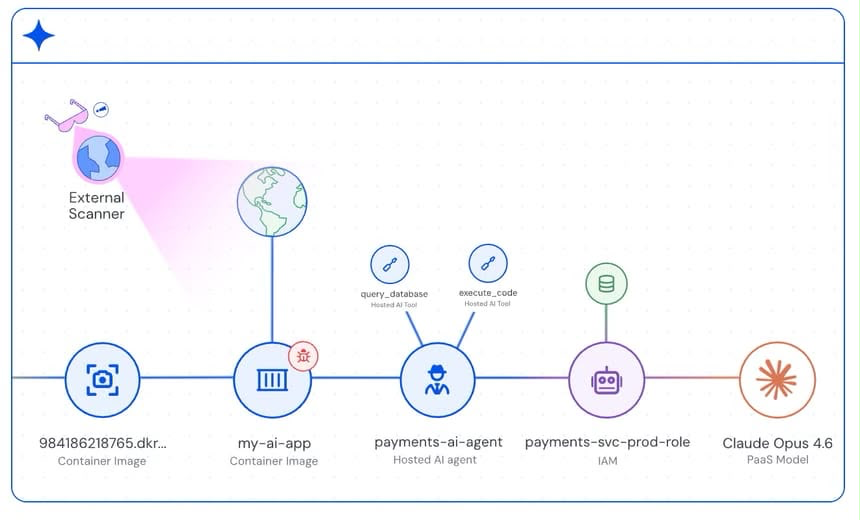
Here’s how to do it.
1️⃣ Open Your Security Graph Log into Wiz and open the Security Graph to view your cloud infrastructure, AI workloads, identities, and connected assets in one place.
2️⃣ Prioritize The Biggest Risks Navigate to Issues and rank findings based on severity, exposure, business impact, and the assets they affect.
3️⃣ Analyze Attack Paths Select a high-priority issue and use Attack Path Analysis to understand how vulnerabilities, identities, workloads, sensitive data, and AI applications connect to create potential attack routes.
4️⃣ Assign Remediation Identify the issues creating the greatest business risk and assign remediation tasks to the appropriate engineering, infrastructure, or security teams.
Sample Prompt
Using Wiz, identify our top five cloud security risks, explain why they matter, and recommend the highest-priority remediation actions.
5️⃣ Verify And Monitor Confirm that each remediation successfully eliminates the identified risk, then continue monitoring your cloud and AI environment for new exposures as they emerge.
Why It Works
Instead of responding to isolated alerts, Wiz helps you understand how risks connect, making it easier to prioritize the vulnerabilities that pose the greatest threat to your organization.
The Takeaway
The biggest security risk isn’t always the loudest alert. By focusing on connected attack paths and business impact, you can spend less time chasing notifications and more time eliminating meaningful threats.
As we prepare more "Growthful" content, we'd love to hear your thoughts on today's edition! Feel free to share this with someone who would appreciate it. 🥰