Why Premium Doesn't Win
📈 Discover the psychology behind better product recommendations, then let AI organize every task, owner, and deadline from your meetings.

Hey there 🧠
Ready for another day of staying ahead of the competition in the Growth race?
Oh and before we go ahead! If your friend sent this to you, be sure to subscribe here! So you don’t miss out on any editions.
In Partnership with AirOps
The Growth Targets Changed. What About Your Budget?
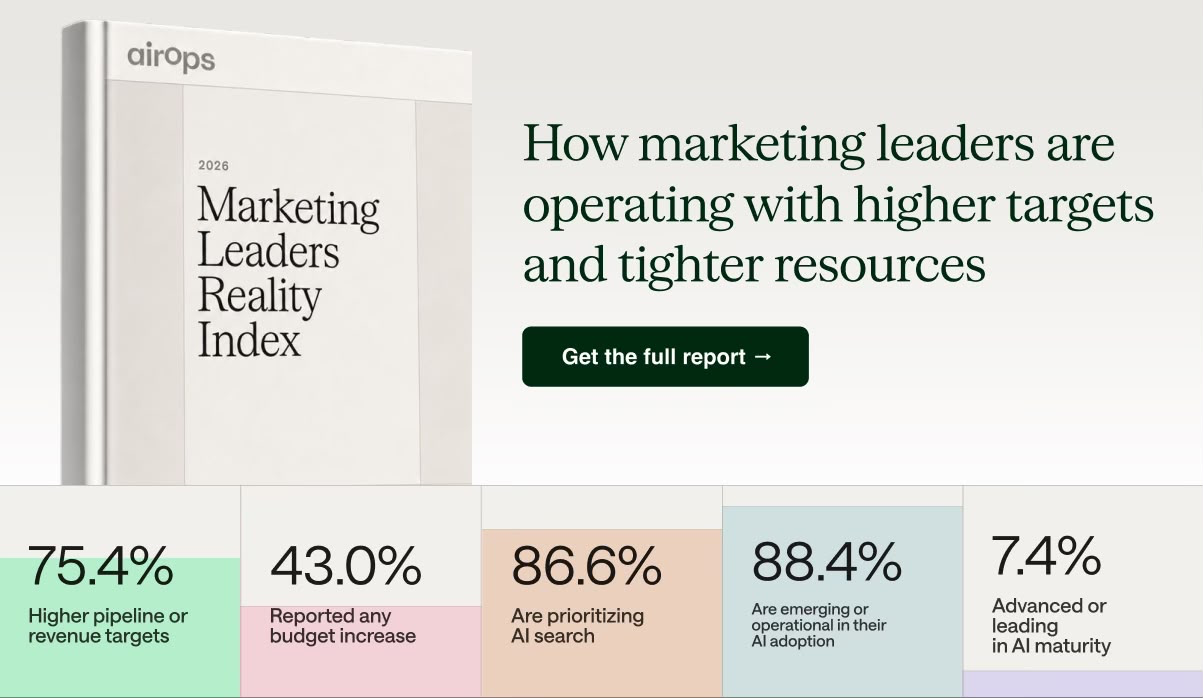
Targets are climbing faster than budgets can keep up, and you’re expected to make the numbers work. Before you commit to more pipeline, see how other marketing leaders are handling the same pressure.
AirOps surveyed 300+ CMOs and VPs to uncover how leaders are reallocating budget and closing capability gaps while being asked to deliver more pipeline with less support.
Here’s what’s inside:
- 75.4% of leaders face higher targets this year. Discover how they’re responding and where your plan stands against theirs.
- Only 43.0% received more budget to match. If you’re asking for more resources, use these benchmarks to strengthen your case.
- 86.6% are betting on AI search, but only 23% trust their measurement. Use that gap to question what you can actually measure before spending more.
Pull the benchmark most relevant to your team into your next budget request, alongside the target you’re expected to hit.
💡 Why You Shouldn't Recommend Your Most Expensive Product
"Recommended" can be a powerful label.
But putting it on your most expensive product may actually reduce trust and lower conversions.
Here's what the research found.
1️⃣ Recommend The Mid-Priced Option Customers are more likely to trust recommendations when they point to a reasonably priced product rather than the premium option. It feels more helpful and less sales-driven.
2️⃣ Premium Recommendations Create Skepticism When the highest-priced option is labeled as "Recommended," shoppers often assume the business is simply trying to maximize profit, making them less likely to follow the recommendation.
3️⃣ Use Premium Labels Carefully If your premium product genuinely deserves attention, justify it with objective labels such as "Best Seller," "Editor's Choice," or "Award Winner" instead of simply calling it "Recommended."
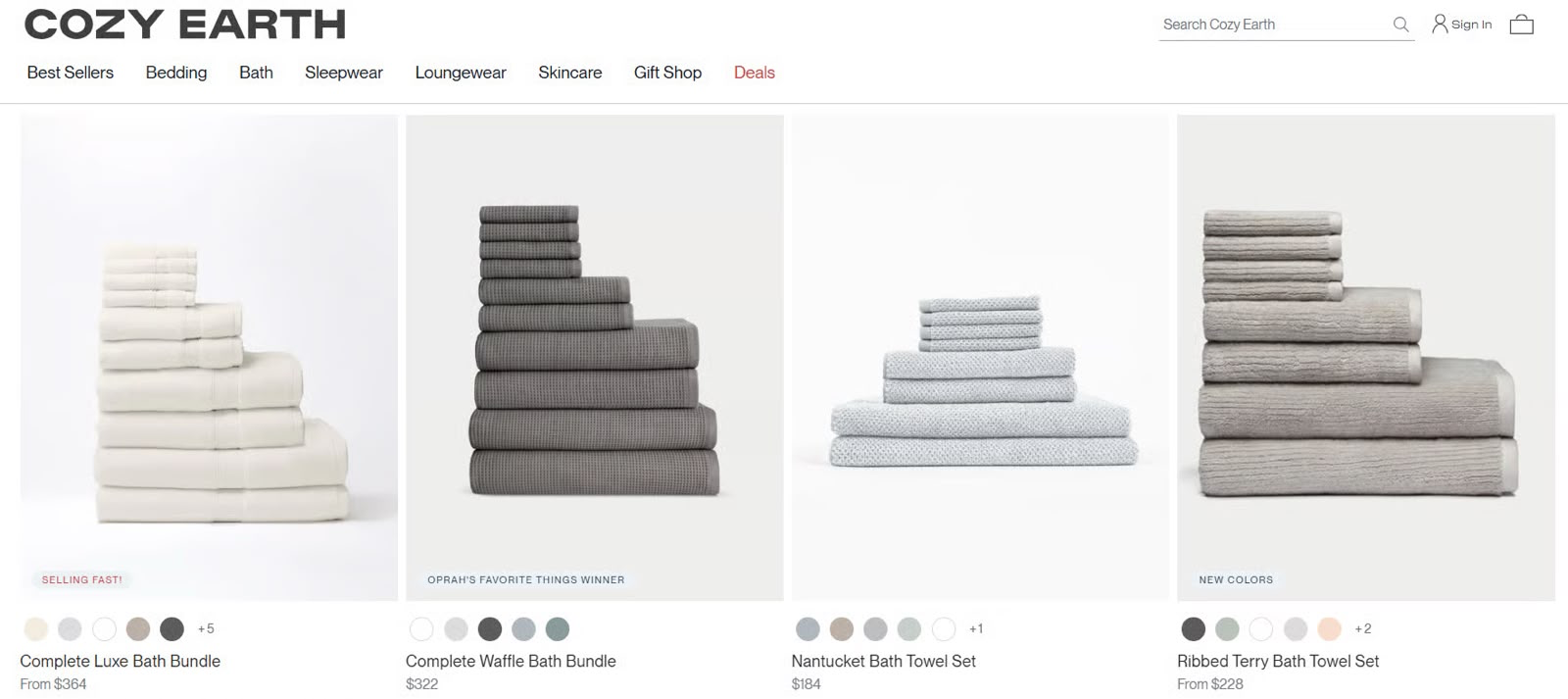
4️⃣ Highlight Value, Not Price (Cozy Earth) Focus on product benefits, quality, and unique features rather than making price the center of attention. Strong value messaging builds more trust than expensive recommendations.
5️⃣ Keep Testing Your Product Labels Experiment with different recommendation badges, pricing strategies, and product ordering. Small changes to how products are presented can significantly influence purchasing decisions.
Why It Works
Customers naturally question recommendations that appear to benefit the seller more than themselves. Recommending a well-priced product signals honesty, making shoppers more likely to trust the recommendation and complete the purchase.
👀 Brand Example (Cozy Earth)
Cozy Earth highlights premium towel sets with urgency labels. Testing recommendation badges on more affordable products, while explaining premium features separately, could improve trust and encourage higher overall conversions.
The Takeaway
The most persuasive recommendation isn't always the most expensive product. Customers are more likely to follow advice that feels genuinely helpful rather than obviously profit-driven.
💡 Turn Meeting Notes Into Actionable Project Plans With GPT-6 Astra
Meeting notes often capture decisions but not execution.
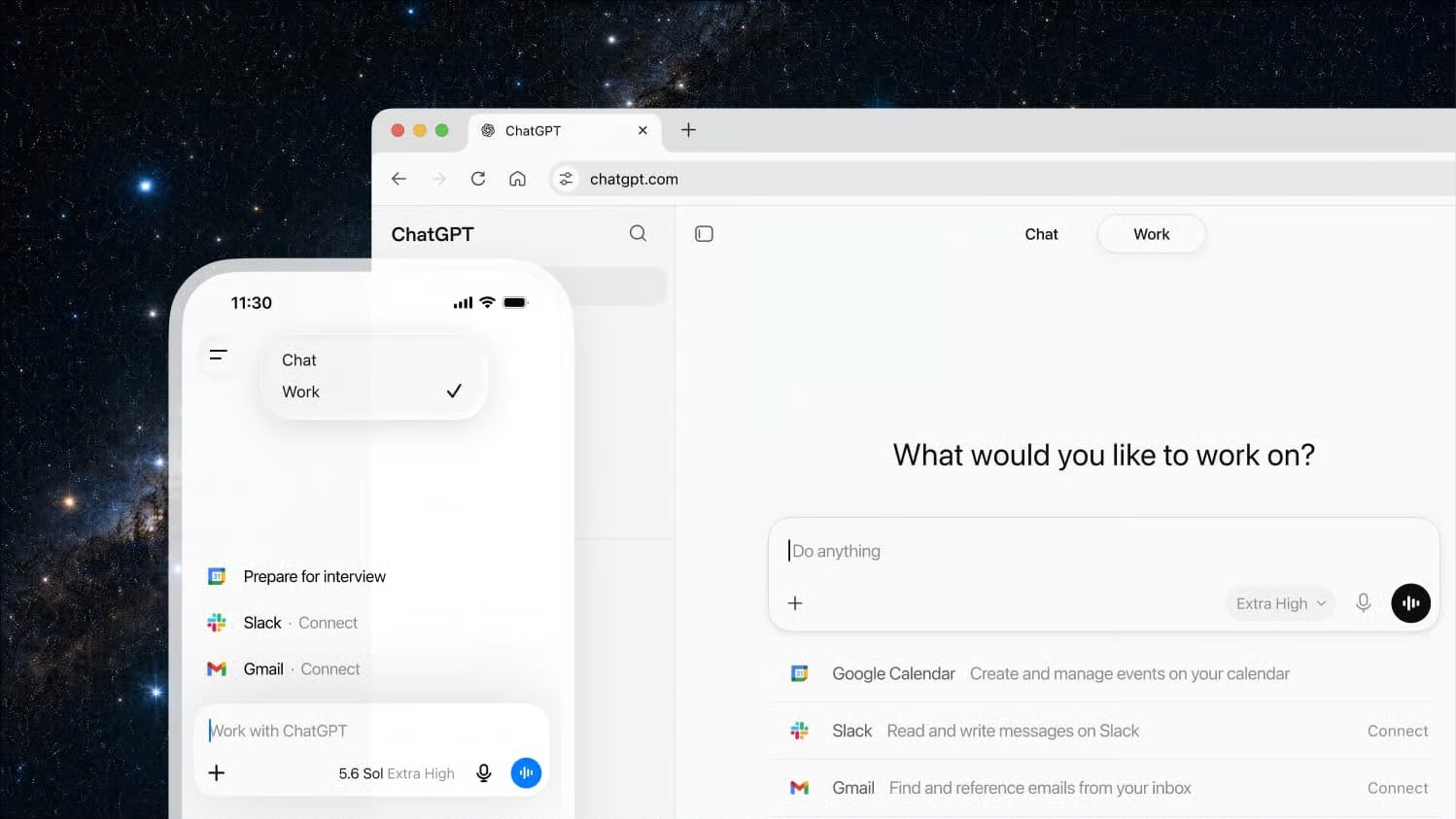
With GPT-6 Astra in ChatGPT Work, you can transform transcripts and notes into structured project plans with tasks, owners, deadlines, and risks.
Here's how to do it.
1️⃣ Open ChatGPT Work Launch ChatGPT, switch to Work, and select GPT-6 Astra if it's available on your plan.
2️⃣ Upload Your Meeting Files Add your meeting notes, transcript, recordings, or any supporting documents.
3️⃣ Extract The Project Plan Ask Astra to identify decisions, action items, owners, deadlines, dependencies, risks, and unanswered questions.
Sample Prompt
Turn these meeting notes into an actionable project plan. Extract every decision and task, assign the owner named in the notes, capture deadlines and dependencies, and flag anything that has no clear owner or due date. Do not invent missing information. Organize the output into a project tracker with these columns: Task, Owner, Status, Deadline, Dependency, Priority, and Risk.
4️⃣ Generate A Project Tracker Have Astra create the plan as an editable Google Sheet or Excel file so your team can update it as work progresses.
5️⃣ Review And Summarize Ask Astra to identify blocked tasks, missing owners, conflicting deadlines, and unresolved decisions. Then generate a concise project summary highlighting key milestones, immediate next steps, and the biggest project risks.
Why It Works
Instead of manually reviewing pages of meeting notes, Astra converts discussions into structured project management documents that make accountability and execution much easier.
The Takeaway
GPT-6 Astra helps bridge the gap between meetings and execution by automatically organizing discussions into clear, actionable project plans your team can immediately start working from.
As we prepare more "Growthful" content, we'd love to hear your thoughts on today's edition! Feel free to share this with someone who would appreciate it. 🥰