Why Mystery Drives Action
🚀 Learn how to create open loops that keep audiences moving, then understand why AI behavior varies so much by generation.

Hey there 🧠
Ready for another day of staying ahead of the competition in the Growth race?
Oh and before we go ahead! If your friend sent this to you, be sure to subscribe here! So you don’t miss out on any editions.
In Partnership with HubSpot
Your AI doesn't know your business. HubSpot does.
Your team already uses their preferred AI tools. But when those tools only see what you paste into a conversation, you’re left moving business context in and carrying answers back out. There’s a more connected way to work.
On November 5th, join HubSpot for a live webinar to see how it connects with the AI you already use, grounding every answer in real context about your business. Ask questions, take action, and update your CRM without switching out of the conversation.
You’ll also learn about HubSpot’s headless product strategy and how to connect Claude, ChatGPT, or another preferred AI assistant while keeping control through built-in governance.
HubSpot is the only CRM designed to work wherever you do, and the #1 CRM connector in Claude and ChatGPT. Discover how to get more from your AI today.
Reserve your webinar spot and join HubSpot’s product team for an AMA.
Can't attend the session live? Register anyway, and you’ll get the recordings in 24 hours.
💡 Curiosity Makes People Keep Going
People are naturally drawn to incomplete information.
The Curiosity Gap works by revealing enough to create interest, but not enough to satisfy it completely.
Here’s how brands use it.
1️⃣ Turn The Product Into The Puzzle: Oreo’s Mystery OREO campaign asked customers to guess a hidden flavor for a chance to win a prize.
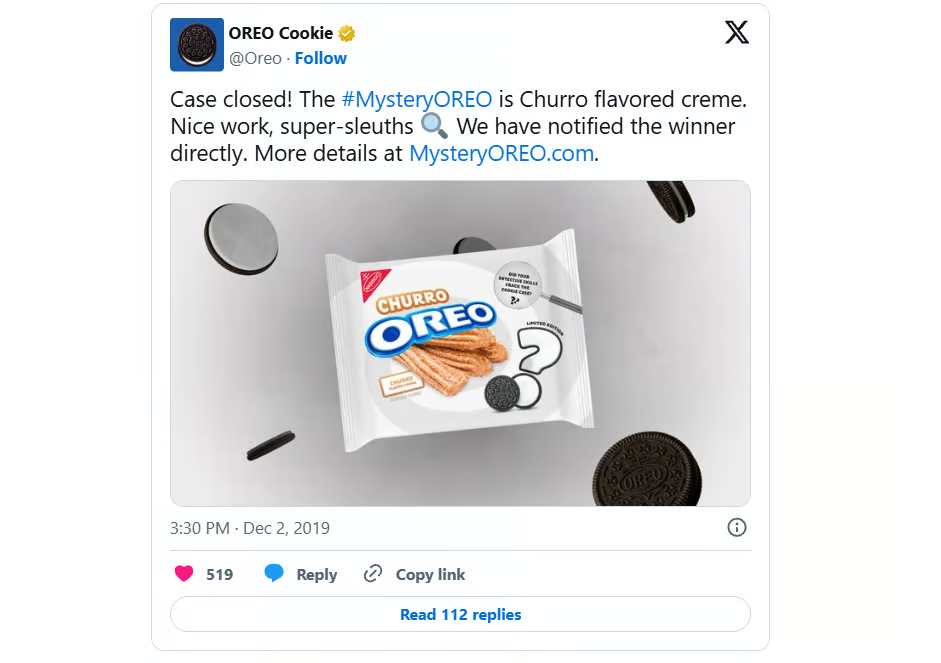
The product itself became the question, giving people a reason to buy, taste, discuss, and share their guesses.
Brands can create similar curiosity through mystery products, hidden features, sealed boxes, or limited reveals.
2️⃣ Tease The Story Without Giving Away The Ending: Upworthy built its headline strategy around giving readers enough information to care, while holding back the final answer.
Its team tested large numbers of headline variations instead of relying on instinct.
For marketers, the lesson is simple: test subject lines, headlines, buttons, and landing-page hooks that create interest without resolving it immediately.
3️⃣ End With An Open Loop: Netflix’s autoplay feature works especially well after a cliffhanger.
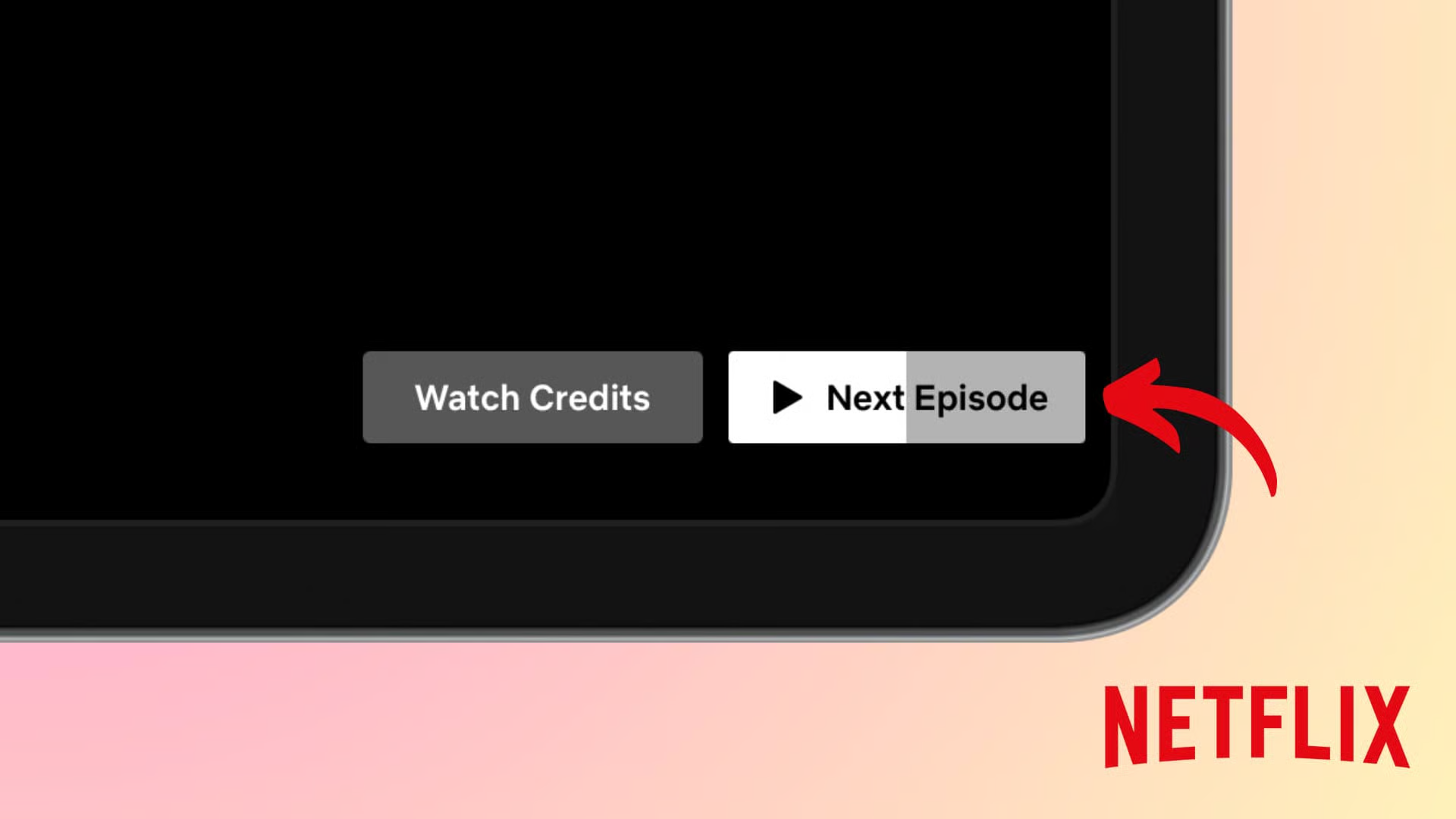
Instead of giving viewers time to disengage, it previews what comes next and starts the next episode quickly.
Marketers can use the same idea by ending emails, videos, demos, or posts with a question that the next touchpoint answers.
Why It Works
Unanswered questions create mental tension.
People are more likely to keep reading, clicking, or watching when they feel there is still something important left to discover.
The Takeaway
Don’t reveal everything upfront.
Create a clear reason to continue, then make sure the payoff is worth the curiosity you created.
💡 AI Feels Everywhere. Half Of America Still Hasn’t Tried It
AI chatbots may dominate tech and marketing conversations.
But Pew Research Center found that roughly half of US adults still haven’t used tools like ChatGPT, Gemini, or Copilot.
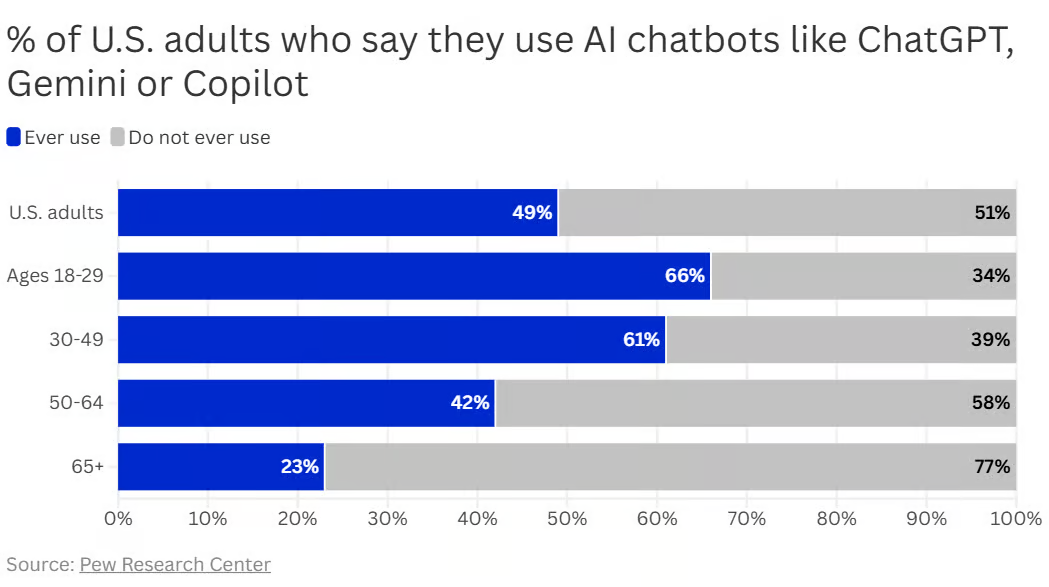
Here’s what the data shows.
1️⃣ Adoption Is Still Far From Universal: Despite rapid growth in AI products, chatbot usage remains split almost evenly between users and non-users.
That means marketers shouldn’t assume their audience already uses AI search.
2️⃣ Age Creates A Major Divide: The biggest drop in usage appears after age 50.
Usage falls sharply between adults aged 30–49 and those aged 50–64, while younger adults are nearly three times as likely as seniors to use chatbots.
3️⃣ Exposure Builds The Habit: Younger users encounter AI more often at school and at work.
That regular exposure makes chatbots feel like a natural part of how they research, write, and solve problems.
4️⃣ Traditional Search Still Works For Many: Older audiences may have fewer reasons to change established habits.
For many users, Google or another traditional search engine still gets the job done without requiring a new workflow.
5️⃣ Match Your Channel To Your Audience: Before shifting significant budget toward AI search, check who your buyers actually are.
If your audience skews older, traditional search and established channels may still deserve more attention.
Why It Works
New technology adoption rarely happens evenly.
Age, workplace exposure, habits, and perceived usefulness all influence how quickly people adopt new tools.
The Takeaway
AI search is growing, but it hasn’t replaced traditional discovery.
Follow your audience’s actual behavior, not the hype around the channel.
As we prepare more "Growthful" content, we'd love to hear your thoughts on today's edition! Feel free to share this with someone who would appreciate it. 🥰