Why Inclusive Ads Feel Different
🔍 Learn why representation works better when it isn’t the headline, then use Grok Bot to simplify research into engaging visual narratives.

Hey there 🧠
Ready for another day of staying ahead of the competition in the Growth race?
Oh and before we go ahead! If your friend sent this to you, be sure to subscribe here! So you don’t miss out on any editions.
In Partnership with Omnisend
One Plain-Text Email Outearned a Month of Campaigns
Before you send everyone the same BFCM discount, check who keeps coming back. Your repeat buyers could justify an offer of their own.
For one skincare brand, 36% of customers had ordered more than six times. Enflow Digital used Omnisend to turn that loyalty into nearly $18,000 from one plain-text email.
Omnisend helped the team:
- Find purchase patterns in minutes, cutting out hours of manual analysis.
- Build a VIP audience of customers with four or more orders, ready for a separate promotion.
- Keep the VIP offer focused on engaged buyers by filtering out contacts inactive for 180 days.
The offer was available only through email: a higher discount plus a free gift above a higher spend threshold. It increased order value while helping clear slower-selling stock.
Co-founder Karolina shares how it came together so you can apply the approach to your own repeat buyers before your BFCM offers are locked in.
💡 Inclusive Advertising Works Best When It Feels Natural
Representation can improve how people respond to advertising.
But the effect appears strongest when people with disabilities are shown naturally, without making disability the focus of the message.
Here’s what the research found.
1️⃣ Representation Can Increase Purchase Intent: Across nine experiments involving more than 4,500 participants, people were 33% more likely to choose a shower gel advertised by a model with a disability.
2️⃣ Independence Improves Brand Perception: Ads showing disabled people as independent generated 38% more positive attitudes toward both the ad and the brand.
The key was showing them participating naturally, not portraying them as vulnerable.
3️⃣ The Effect Can Survive Skepticism: Even when participants were told a brand included a wheelchair user only to comply with regulations, they still rated the brand 9.9% more positively and 15.8% more inclusive.
4️⃣ Calling Attention To Disability Can Backfire: The effect disappeared when brands explicitly highlighted that they were featuring a disabled person or framed the person around vulnerability.
Representation worked better when disability was simply part of the scene.
5️⃣ Show People, Not Categories: ASOS provides a useful example by featuring Natasha Ghouri, who wears a cochlear implant, in ordinary product imagery without making her disability the campaign message.
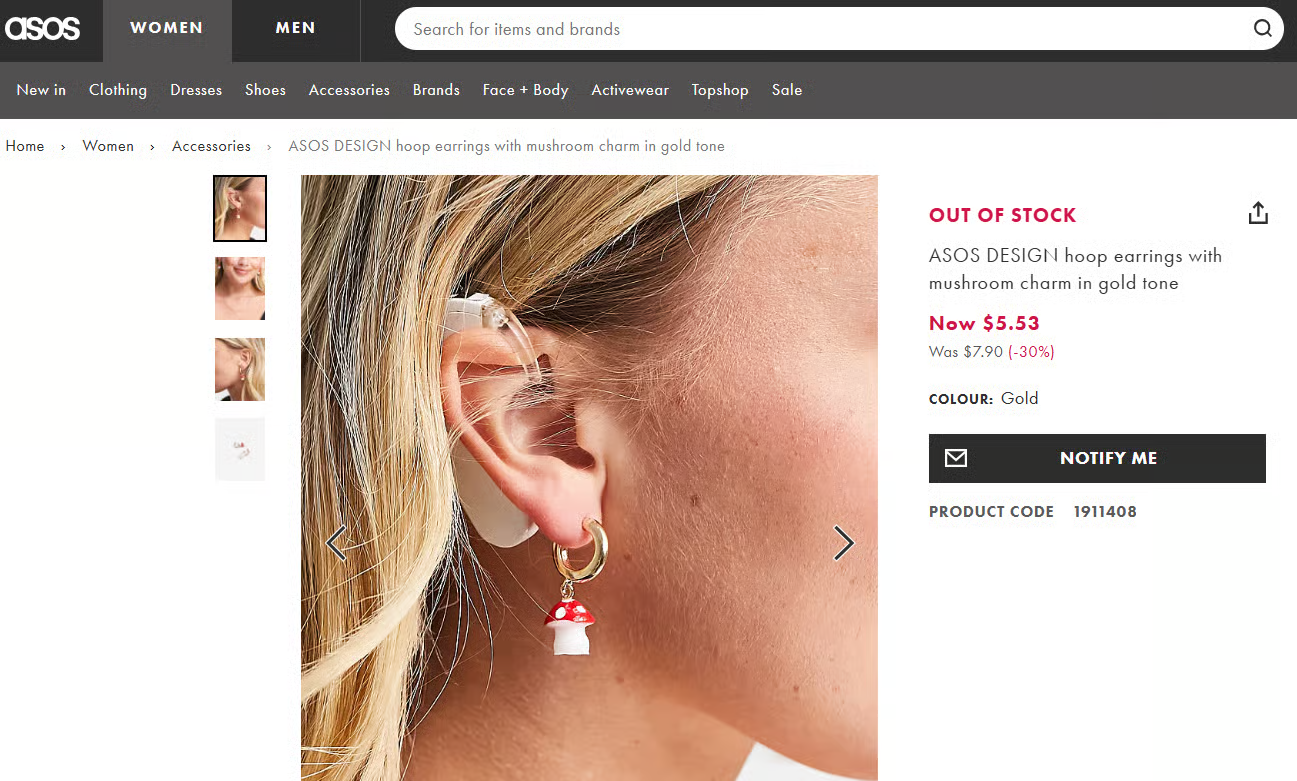
Brands can apply the same principle by showing people with disabilities naturally participating in everyday social situations.
Why It Works
Inclusive representation signals that more types of customers are welcomed and valued.
When it feels authentic rather than performative, that can strengthen perceptions of both the advertisement and the brand.
The Takeaway
Don’t make inclusion the headline.
Make it part of the world your advertising already represents.
💡 Turn Any Topic Into An Animated Explainer With Grok Bot
Explainer videos work best when they simplify, not overwhelm.
Grok Bot can turn source material into a short animated video with narration, visuals, and a clear story.
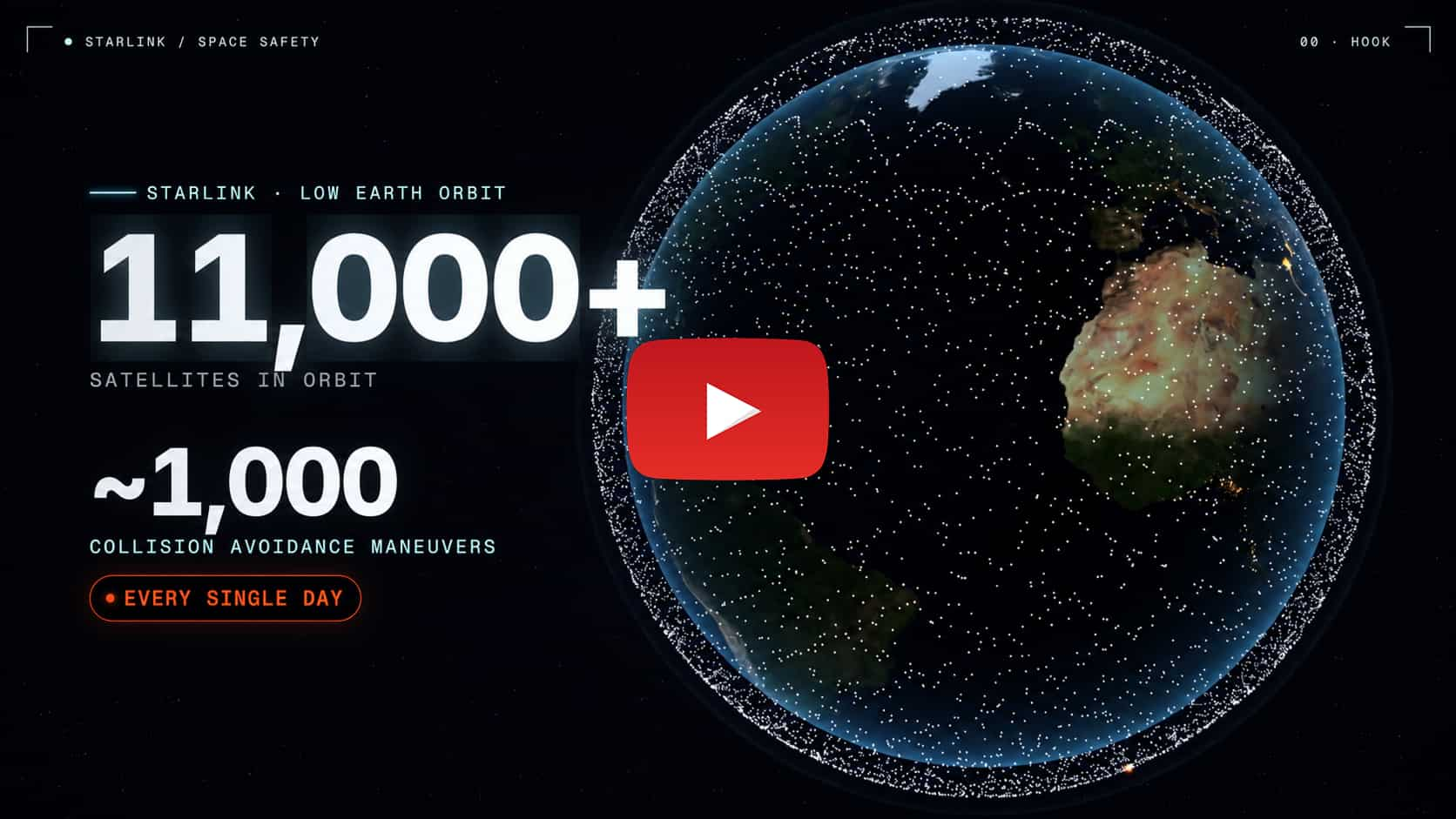
Here’s how to do it.
1️⃣ Create A Dedicated Explainer Bot: Open Grok Bot and create a new Bot specifically for explainer videos.
Give it a clear purpose so the workflow stays consistent every time you reuse it.
2️⃣ Add Your Source Material: Attach the information you want the video to use, such as PDFs, links, images, PowerPoints, or reference videos.
This gives the Bot a stronger foundation for both the script and visuals.
3️⃣ Define The Topic And Audience: Tell Grok Bot what the explainer is about, who it is for, and what tone you want.
Ask it to identify the four to six ideas someone must understand and turn them into a clear beginning-to-end story.
4️⃣ Build Narration Around Visuals: Ask for concise narration supported by diagrams, labels, charts, maps, or illustrative sequences.
The goal is to make each scene understandable even for someone with no prior knowledge.
5️⃣ Refine Before Finalizing: Review the first version and shorten dense sections, simplify confusing visuals, and verify factual claims.
Then save the final workflow, instructions, and sources so the same Bot can be reused for another topic.
Why It Works
A strong explainer combines clear structure with visual storytelling.
That makes complex information easier to follow, remember, and share.
The Takeaway
Don’t start with animation.
Start with clarity, then let the visuals make the explanation easier to understand.
As we prepare more "Growthful" content, we'd love to hear your thoughts on today's edition! Feel free to share this with someone who would appreciate it. 🥰