What content is needed next
⚡ The next phase of content marketing, and how uniqueness fuels brand loyalty.

Hey there 🧠
Ready for another day of staying ahead of the competition in the Growth race?
Oh and before we go ahead! If your friend sent this to you, be sure to subscribe here! So you don’t miss out on any editions.
Partnership with Grapevine
📲 Whitelisting That Actually Scales (Creators + Publishers)
Most brands know whitelisting works to lower CPAs and find new audiences. Few can make it repeatable at scale.
Grapevine gives you both creator and publisher networks in one managed service:
Creator Whitelisting - They source, vet, and negotiate with verified creators (doctors, coaches, finance experts, beauty insiders), managing and handling access and production. Authentic social proof without operational chaos.
Publisher Whitelisting - Their network of 14+ niche publishers (including My Subscription Addiction) provides advertorial landing pages and established handles. You get third-party trust plus storytelling space that bridges discovery to conversion.
Whitelisted content outperforms branded ads by 20-30%. Creator + publisher handles deliver signal diversity and testing volume that's hard to replicate independently.
Mapping Q1 creative strategy? Now's the time to test.
👉 Book a strategy call by February 27th for $500 off your first campaign.
💡 Content Marketers Focus On These Trends In 2026
If there is a year where content marketing truly shifts gears, it is now. Not because of hype, but because AI, search behavior, and distribution channels are changing at the same time.
Rob Glover breaks down what actually matters for content marketers heading into 2026. Here are the trends worth paying attention to.
1️⃣ Zero Visit Visibility Becomes The New Goal: AI Overviews now deliver full answers directly on the results page, pushing clicks further down the priority list. In 2026, being visible and trusted inside AI summaries may matter as much as driving a site visit. Visibility itself becomes a form of conversion.
2️⃣ Multimedia Content Wins Attention And Rankings: With Google deeply integrating YouTube into search, multimedia is no longer optional. Images, videos, and audio now act as direct signals for discovery. Annotated visuals and clear video scripts help AI understand context, making mixed media essential for being found.
3️⃣ Structure And Clarity Matter More Than Keywords: Search engines are shifting from librarians to assistants. To be cited by AI, content must be easy to parse. Clear headings, direct answers near the top, logical hierarchy, and simple definitions outperform keyword-heavy writing. Structure now does more work than density.
4️⃣ Owned Channels Gain Ground Over Search: Organic search traffic is becoming more volatile. Email and social media, channels you actually control, are growing in importance. Many small businesses already report social media driving more traffic than search. Diversification is no longer optional.
5️⃣ Content Shifts From Answers To Conversations: AI encourages follow-up questions. One query turns into many. Content needs to anticipate this by mapping the full conversation, not just addressing a single keyword. Topic clusters and smart interlinking help guide both users and AI through the entire journey.
The Takeaway
Content marketing in 2026 is about visibility where attention lives. Whether that is inside AI summaries, inboxes, or feeds, the brands that win will prioritize clarity, structure, multimedia, and conversation over old search-first tactics.
💡 The False Uniqueness Effect And Why Feeling Special Sells
Ever notice how your bad habits feel totally normal, but your good ones feel rare?That is not confidence. That is psychology.
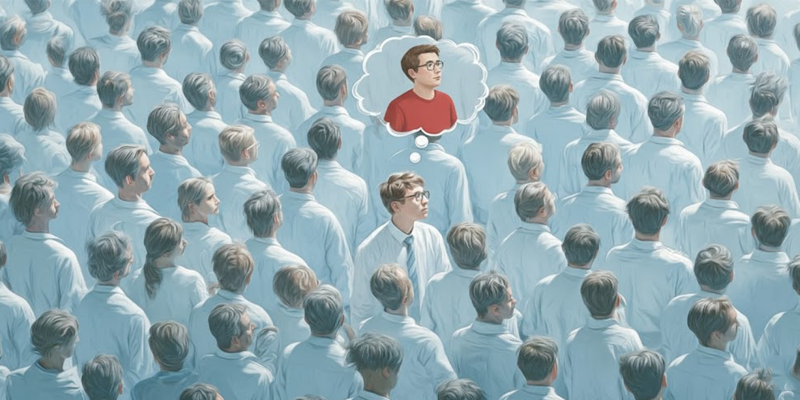
The False Uniqueness Effect is a cognitive bias where people believe their positive traits are less common than they actually are. We assume everyone shares our flaws, but our strengths feel exceptional. Science backs this. Studies show people consistently underestimate how many others share their desirable qualities.
Feeling unique protects the ego. And smart marketers know how to activate it.
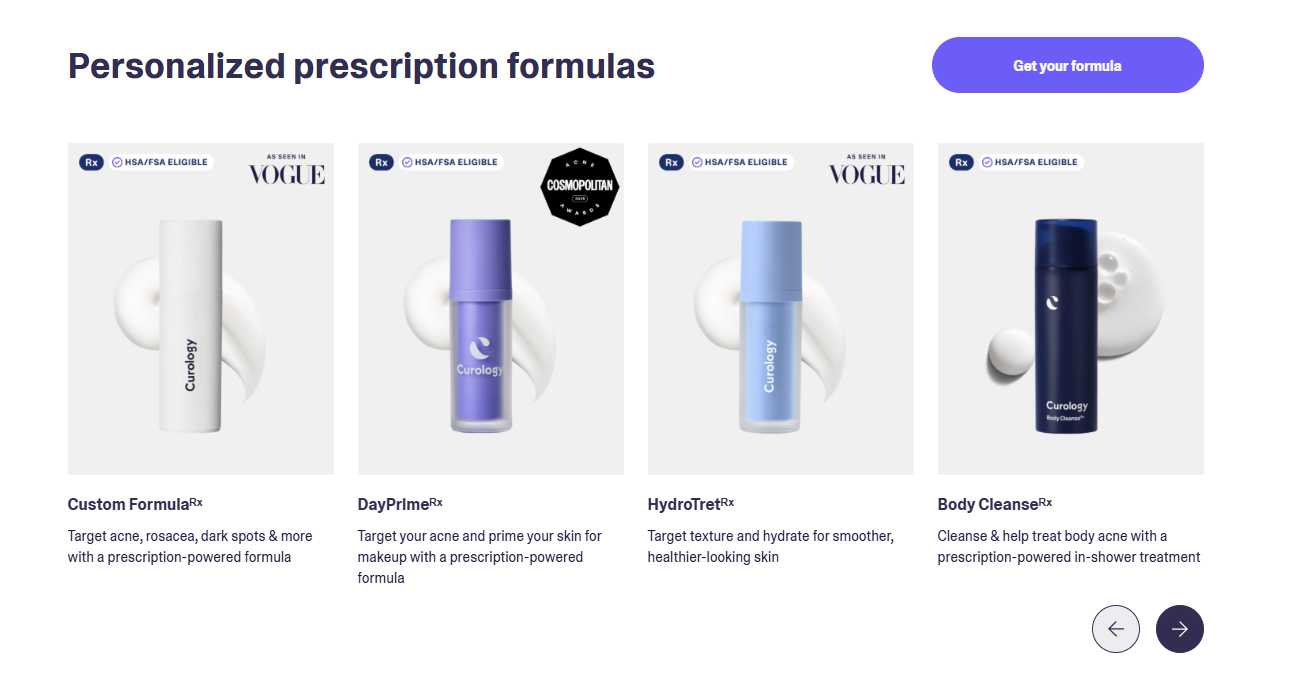
1️⃣ Make Customers Feel Chosen: “Made for you” consistently outperforms “best in class.” Curology does this by offering personalized skincare formulas, reinforcing the idea that each customer’s skin concerns are unique and deserve a custom solution. Even at a massive scale, personalization makes customers feel like they are receiving something exclusive. Simple touches like name usage, tailored recommendations, or quiz-based onboarding can trigger the same effect.
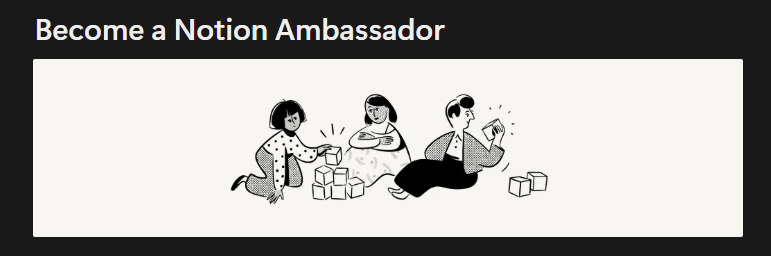
2️⃣ Reward Special Behavior With Exclusive Tiers: People want recognition for being different. Creating exclusive programs for your most engaged users validates that belief. Notion’s Ambassador Program highlights power users with badges, early access, and community recognition. These rewards cost little but reinforce the idea that these users are not like everyone else. Recognition turns engaged customers into loyal advocates.
3️⃣ Reflect Their Rare Achievements With Data: Data becomes powerful when it highlights what makes users stand out. Showing customers metrics like being in the top percentage or achieving uncommon milestones reinforces their sense of exceptionality. Strava’s year-end summaries do this by celebrating individual accomplishments rather than averages, making even casual users feel elite.
The Takeaway
People crave confirmation that they are special. When brands personalize experiences, reward standout behavior, and highlight unique achievements, they tap directly into the False Uniqueness Effect. The result is a stronger emotional connection, deeper loyalty, and customers who feel seen rather than sold to.
As we prepare more "Growthful" content, we'd love to hear your thoughts on today's edition! Feel free to share this with someone who would appreciate it. 🥰