Turn Citations Into Brand Mentions
📈 Learn how to close the gap between AI citations and brand mentions, then use Grok Bot to monitor social signals before they become bigger trends.

Hey there 🧠
Ready for another day of staying ahead of the competition in the Growth race?
Oh and before we go ahead! If your friend sent this to you, be sure to subscribe here! So you don’t miss out on any editions.
In Partnership with AirOps
See how competitors are selling inside ChatGPT

You probably know what competitors say on their websites. But what message are they putting in front of people asking ChatGPT for help?
Seeing their pitch can help you decide how to position your own offer.
The AirOps ChatGPT Ad Library lets you search by brand name or domain to see competitor ad messaging and the prompts where those ads appeared. With 6,000+ brands listed, there’s plenty to explore before you write your own brief.
See how a competitor positions its offer in a specific conversation. Then consider what would make yours worth a click.
Use what you find to choose a stronger messaging angle and give your team a concrete reason to test it.
Before you spend on your first test, see how competitors are making their pitch.
💡 AI Can Cite Your Content Without Remembering Your Brand
Getting cited in AI search sounds like a win.
But if the answer uses your information without naming your brand, you may be helping the buyer without earning the recognition.
Here’s how to fix it.
1️⃣ Find Where You’re Being Cited: Use Search Console’s Generative AI performance data to identify pages appearing in AI Overviews and AI Mode.
Turn the questions those pages answer into a set of prompts across awareness, consideration, and purchase stages.
2️⃣ Track Citations And Mentions Separately: For each prompt, log whether your brand was cited, named, both, or neither.
A citation without a brand mention is the key opportunity: the model already trusts the content but hasn’t connected the answer strongly enough to your name.
3️⃣ Prioritize High-Intent Queries: Informational searches often cite sources without naming brands.
Focus more on consideration and action-stage prompts, where brand mentions influence shortlists and purchase decisions.
4️⃣ Find The Missing Association: Check whether your brand appears inside the actual claim being cited or only somewhere nearby.
Then compare competitors that do get named. Look for stronger original data, clearer positioning, or more distinctive expertise.
5️⃣ Make The Brand Part Of The Insight: Name proprietary research, methods, frameworks, or benchmarks and connect your brand directly to them.
Comparative content can also help because it gives AI a clearer reason to mention specific brands.
Why It Works
AI can retrieve information without forming a strong association between the insight and the company behind it.
Stronger attribution signals make that connection easier.
The Takeaway
Don’t measure AI visibility by citations alone.
Track whether your brand gets named, then strengthen the content until the answer feels incomplete without it.
💡 Turn X Into A Daily Brand Intelligence Feed
Brand conversations move fast on X.
Grok Bot can turn that stream into a daily brief covering customer reactions, competitor activity, risks, and emerging opportunities.
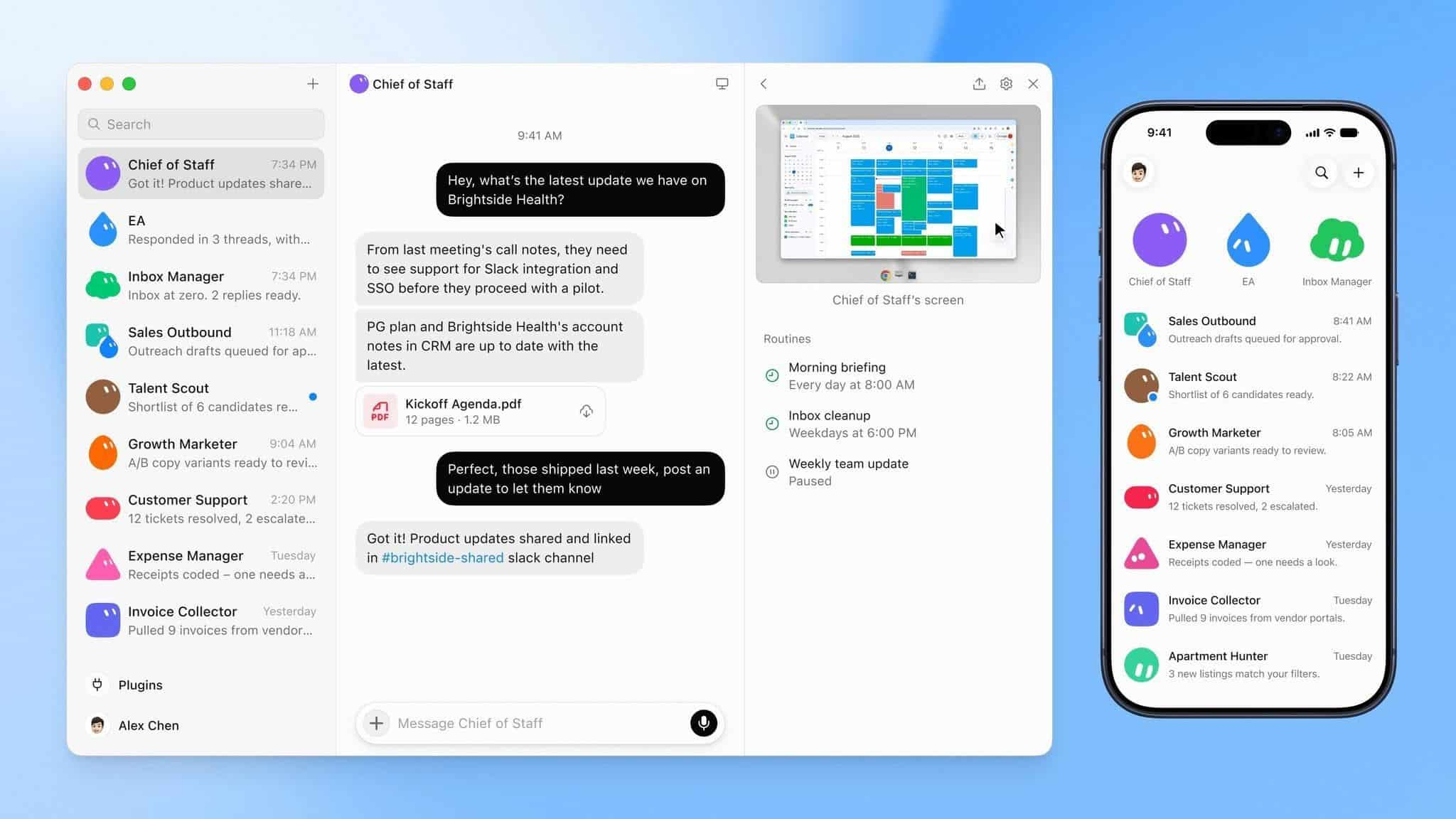
Here’s how to set it up.
1️⃣ Create A Dedicated Monitoring Bot: Open Grok Bot and create a Bot focused only on brand monitoring.
Add your brand, product names, competitors, executives, keywords, and hashtags you want tracked.
2️⃣ Define What Actually Matters: Ask the Bot to review the last 24 hours and surface important mentions, recurring reactions, complaints, praise, competitor moves, and emerging conversations.
Tell it to ignore spam, duplicates, and irrelevant posts.
3️⃣ Structure The Brief Clearly: Format the output into sections such as What People Are Saying, Emerging Trends, Competitor Moves, Risks, Opportunities, and Important Links.
This makes the brief easier to scan and act on.
4️⃣ Refine The Signal First: Run the workflow manually before automating it.
Remove noisy keywords, irrelevant accounts, and topics that generate too many false positives.
5️⃣ Automate The Daily Pulse: Once the monitoring rules are reliable, save the workflow as a Skill and schedule it to run every morning.
That gives your team a consistent view of what changed without manually checking X.
Why It Works
Social monitoring becomes more useful when it filters for patterns instead of individual posts.
A structured daily pulse helps teams spot changes in sentiment, competitor activity, and emerging conversations faster.
The Takeaway
Don’t monitor X post by post.
Turn the conversation into a daily signal your team can actually use.
As we prepare more "Growthful" content, we'd love to hear your thoughts on today's edition! Feel free to share this with someone who would appreciate it. 🥰