This Kills Your Ad Strategy
📉 You depend on ads for growth, but tools can quietly become your strongest acquisition channel.

Hey there 🧠
Ready for another day of staying ahead of the competition in the Growth race?
Oh and before we go ahead! If your friend sent this to you, be sure to subscribe here! So you don’t miss out on any editions.
Partnership with Omnisend
150,000 brands can't be wrong about email marketing
Your email tool should be making money. Right now, it's probably just making work.
Omnisend changes that. Campaigns that actually pay off, a platform so intuitive it feels like you built it, and a real support team on call around the clock - brands average $79 back for every $1 spent on Omnisend.
Here's what that looks like in practice:
- Dukier grew revenue 525%, with 55% of it coming from automations they set once
- Kate Backdrop hit a 1:300 ROI across omnichannel campaigns
- Vagari Bags pulled a 1:121 ROI from SMS alone
Over 150,000 brands already trust Omnisend - and 69% of their revenue runs on autopilot through automations they set once, with 17.3% higher CTRs to show for it.
You're up and running in 30 minutes. Fully migrated in 5 days.
💡 How To Run Google Ads In Sensitive Categories
Running ads in sensitive categories can feel limiting at first. You lose access to remarketing, custom audiences, and many targeting tools that usually drive performance. But the reality is, campaigns are far from dead. The game simply shifts from precision targeting to strategic creativity, and those who adapt can still win effectively.
Here’s how to work around the restrictions.
1️⃣ Understand What You Still Have: Google restricts personalized targeting in categories like healthcare, housing, and employment. But you can still use keywords, in-market segments, affinity audiences, life events, and Performance Max.
2️⃣ Target Content Instead Of People: Shift your focus from users to the content they consume. Place ads on relevant websites or YouTube channels. This helps you reach intent without relying on personal data.
3️⃣ Use Pre-Built Audiences Creatively: Tap into broader segments, like in-market or life events. Your audience exists within these groups. Your job is to refine who responds through messaging.
4️⃣ Let Your Creative Do The Targeting: When targeting is broad, your messaging must be specific. Use niche headlines and visuals. This naturally attracts the right users and filters out the wrong ones.
5️⃣ Train The Algorithm Over Time: Consistent signals from clicks and engagement help Google learn who to prioritize. Strong creativity and clarity improve performance gradually.
The Takeaway
Sensitive categories remove targeting advantages, but they open creative opportunities. Instead of pulling back, focus on where your audience spends time and use sharper messaging to qualify them. The brands that adapt their strategy, not abandon it, are the ones that continue to perform.
💡 How To Build Your Own AI Tool Without Coding
Building internal tools usually takes time, money, and technical skills that most teams do not have. But with AI builders like Softr, you can create fully functional tools using simple prompts. Instead of waiting on developers, you can launch working systems in minutes. The shift is simple: describe what you need and let AI build it for you.
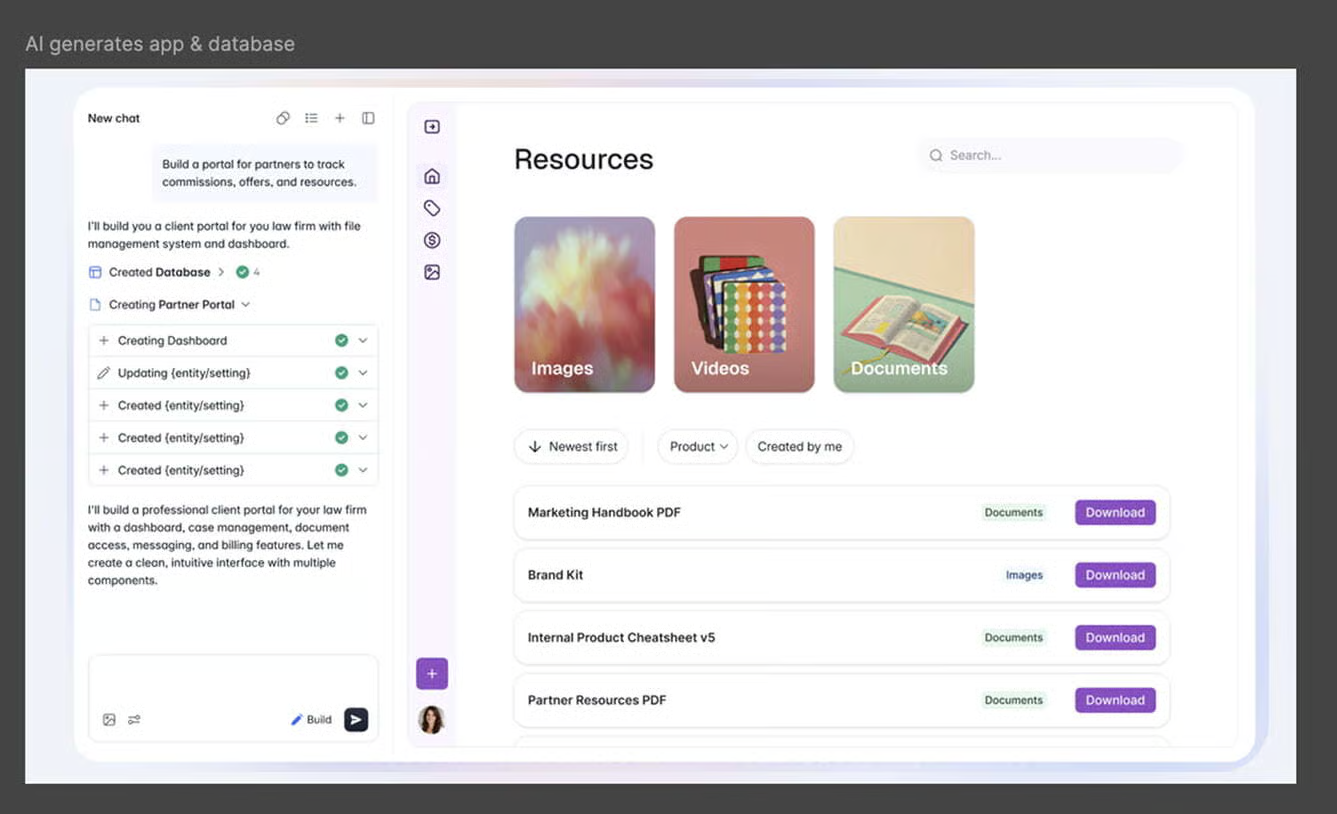
Here’s how to do it step by step.
1️⃣ Start With Softr: Go to Softr and sign up to get access, along with free AI credits. This gives you everything needed to start building immediately.
2️⃣ Describe Your Tool Clearly: Ask Softr to build your tool in plain English. Be specific about what you want. For example, request a client portal with login, project tracking, and feedback features.
3️⃣ Answer Follow-Up Questions: Softr will ask a few questions to refine the structure of your tool. Your answers help shape the layout, features, and functionality.
4️⃣ Refine Using Prompts Or Editor: Keep prompting to adjust features or use the visual editor to tweak sections. You can modify layouts, flows, and details without any coding.
5️⃣ Publish Instantly: Once ready, publish your tool and make it live for users. It is immediately usable without additional setup.
The Takeaway
You no longer need technical skills to build useful tools for your business. With AI builders, you can turn ideas into working systems quickly. The advantage now lies in how clearly you define what you want, not how well you code it.
As we prepare more "Growthful" content, we'd love to hear your thoughts on today's edition! Feel free to share this with someone who would appreciate it. 🥰