This Influences Buyers Instantly
🚀 When your design uses color to guide decisions subconsciously, weak content still limits how much impact you create.

Hey there 🧠
Ready for another day of staying ahead of the competition in the Growth race?
Oh and before we go ahead! If your friend sent this to you, be sure to subscribe here! So you don’t miss out on any editions.
Partnership with AirOps
ChatGPT judges a page by its cover.
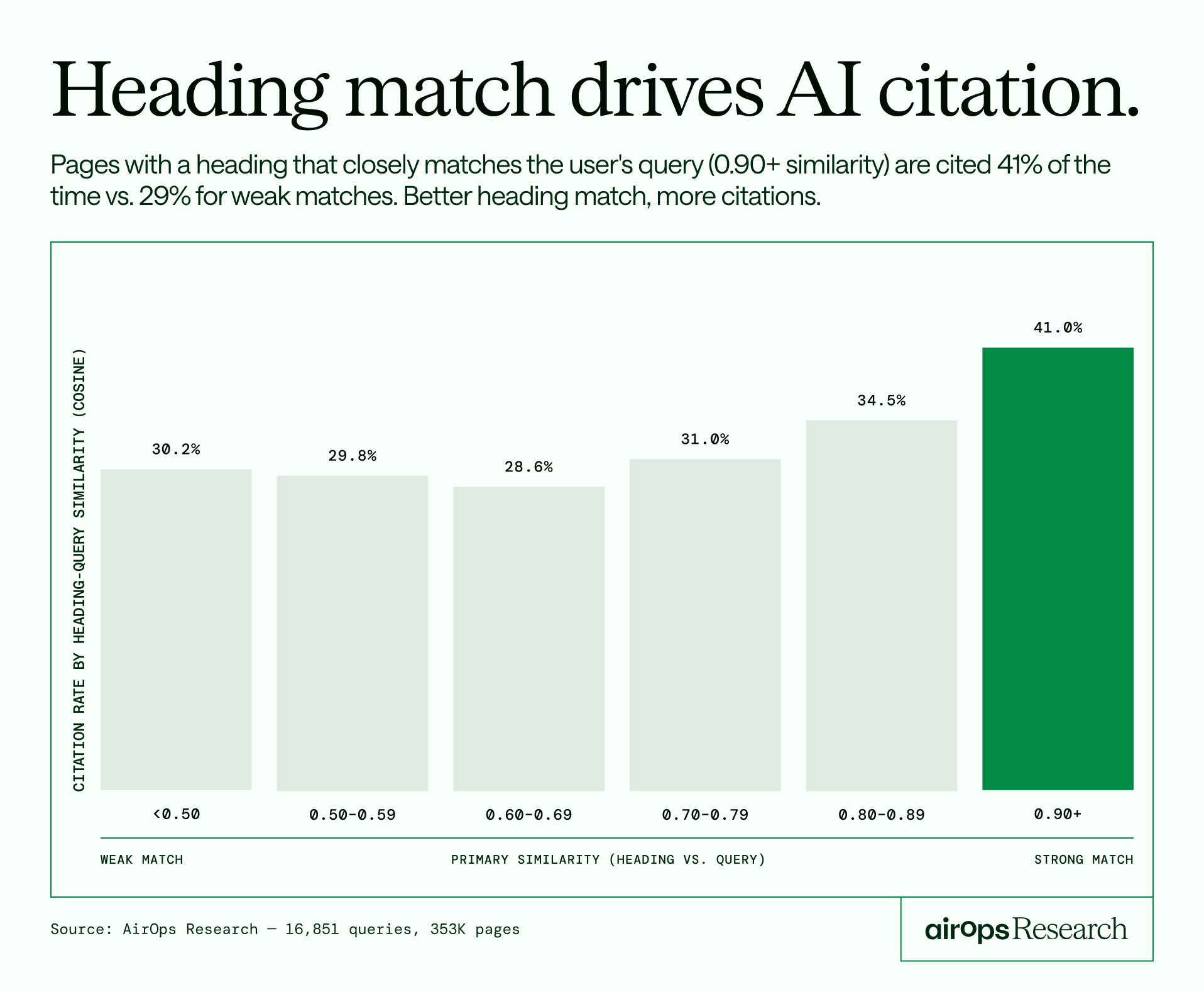
Pages with headlines that directly answer the query get cited 41% of the time. Loosely related headlines? 29%.
AirOps studied 16,851 ChatGPT queries and 353,799 pages across 10 industries to find what separates cited pages from ignored ones. A few findings that stood out to me:
- Retrieval rank is the top signal: A page at position 1 has a 58% chance of being cited. By position 10, that drops to 14%.
- Comprehensive guides don't always win: Pages covering 26-50% of ChatGPT's sub-queries get cited more often than pages covering 100%.
- Domain authority doesn't predict citation: Always-cited pages actually have lower DA than never-cited ones. Content quality is what counts.
The full report covers 20+ signals with controlled comparisons across each.
💡 How Colors Control What People Feel And Buy
You do not consciously decide how you feel about a product at first glance. Color does that for you. Before your brain processes the message, color sets expectations about trust, urgency, and quality. This happens instantly and subconsciously, shaping how people perceive your brand before they read a single word.
Here’s how to use it intentionally.
1️⃣ Color Drives Instant Judgments: Research shows up to 90% of snap product decisions can be influenced by color alone. This is due to repeated associations, where people connect colors with specific meanings over time.
2️⃣ Context Changes Meaning Completely: The same color can signal different emotions depending on context. Red can mean danger on a stop sign, but urgency on a sale banner. Meaning is shaped by where and how it is used.
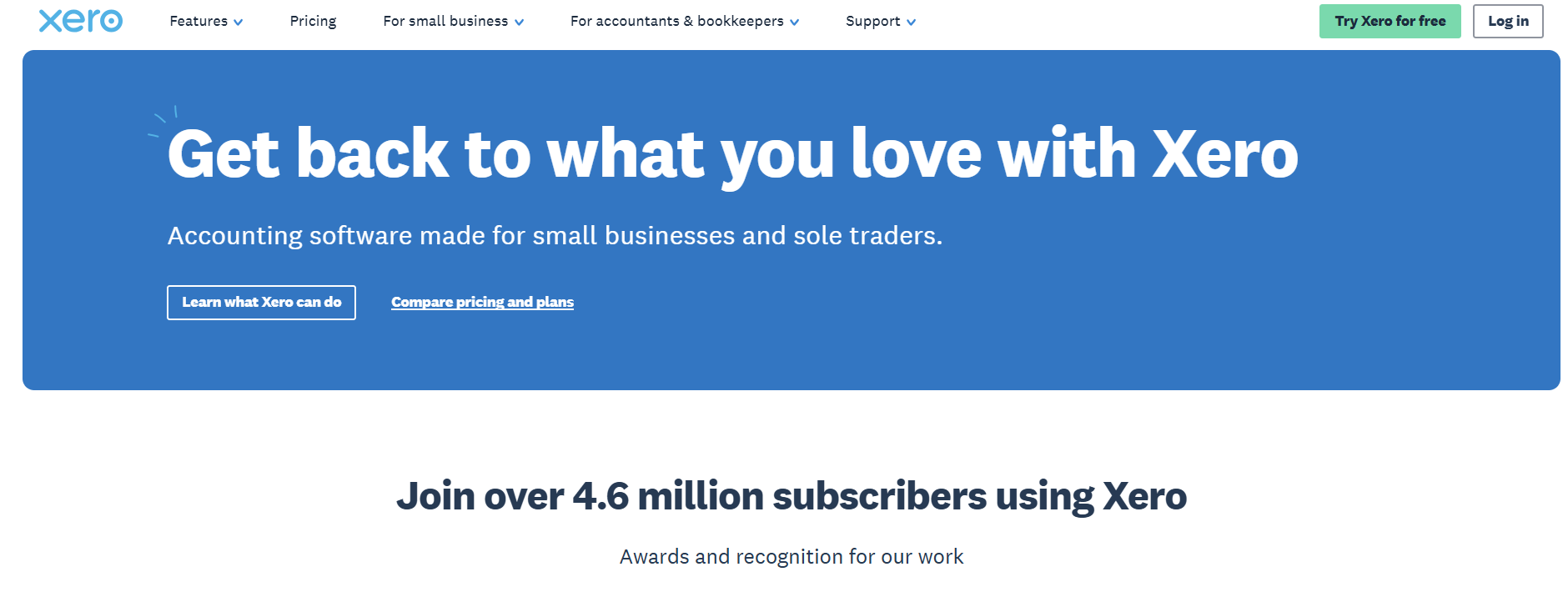
3️⃣ Use Blue To Build Trust: Brands like Xero use blue across dashboards, emails, and interfaces to signal reliability and security. This is especially important for products handling sensitive data.
4️⃣ Use Red To Trigger Action: Red creates urgency and speeds up decisions. SHEIN uses red countdown timers and discount badges to push faster purchases and reduce hesitation.

5️⃣ Color Shapes Perceived Quality: Warmer tones often feel premium, while cooler tones suggest efficiency and precision. These signals influence how people evaluate your product subconsciously.
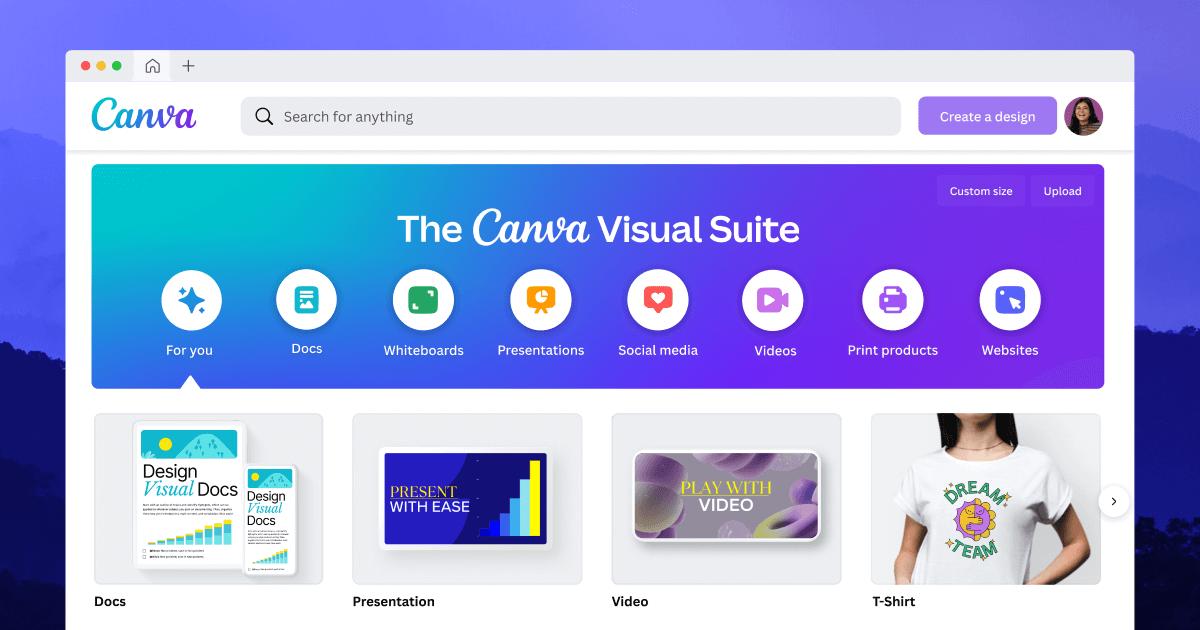
6️⃣ Break Norms To Stand Out: Canva used teal and purple instead of corporate blue to position itself as a creative alternative. T Mobile used magenta to stand out in telecom, making the brand instantly recognizable.
The Takeaway
Color is not decoration, it is strategy. It shapes perception before logic kicks in. When used correctly, it builds trust, creates urgency, and positions your brand without needing extra explanation.
💡 AI Makes Content Faster But Not Better
AI has made content creation incredibly fast. You can produce more, publish more, and scale output like never before. But speed is only half the equation. The real question is whether that extra output is actually improving results. And the answer is not as clear as most people assume.
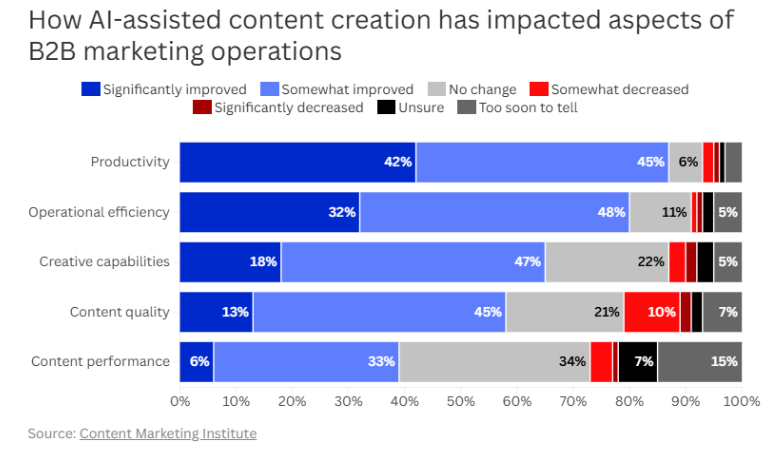
Here’s what the data shows.
1️⃣ Speed Has Improved Dramatically: Around 87% of marketers report higher productivity with AI, with many seeing significant gains. Operational efficiency has also improved for 80% of teams.
2️⃣ Quality Gains Are Inconsistent: While 58% report better content quality, a noticeable portion sees no improvement or even a decline. AI does not guarantee better thinking.
3️⃣ Performance Is Not Scaling Equally: Only 39% see improved performance from AI content, while 34% see no change at all. More content does not automatically mean better outcomes.
4️⃣ Volume Does Not Equal Impact: AI makes it easy to produce content at scale, but the market does not reward volume alone. Differentiation still matters.
5️⃣ Human Input Still Drives Results: Tasks like original research, customer insights, and brand voice refinement cannot be automated effectively. These create real advantages.
6️⃣ Execution Determines Success: AI is a multiplier, not a replacement. Strong strategy and thoughtful execution still decide whether content performs.
The Takeaway
AI helps you move faster, but it does not make your content better by default. The real advantage comes from how you use that saved time. Focus on what only humans can do well, and you turn speed into actual results.
As we prepare more "Growthful" content, we'd love to hear your thoughts on today's edition! Feel free to share this with someone who would appreciate it. 🥰