This Changes How People Buy

Hey there 🧠
Ready for another day of staying ahead of the competition in the Growth race?
Oh and before we go ahead! If your friend sent this to you, be sure to subscribe here! So you don’t miss out on any editions.
Partnership with PrettyDamnQucik
Your checkout is leaking. Your analytics just won't tell you where.
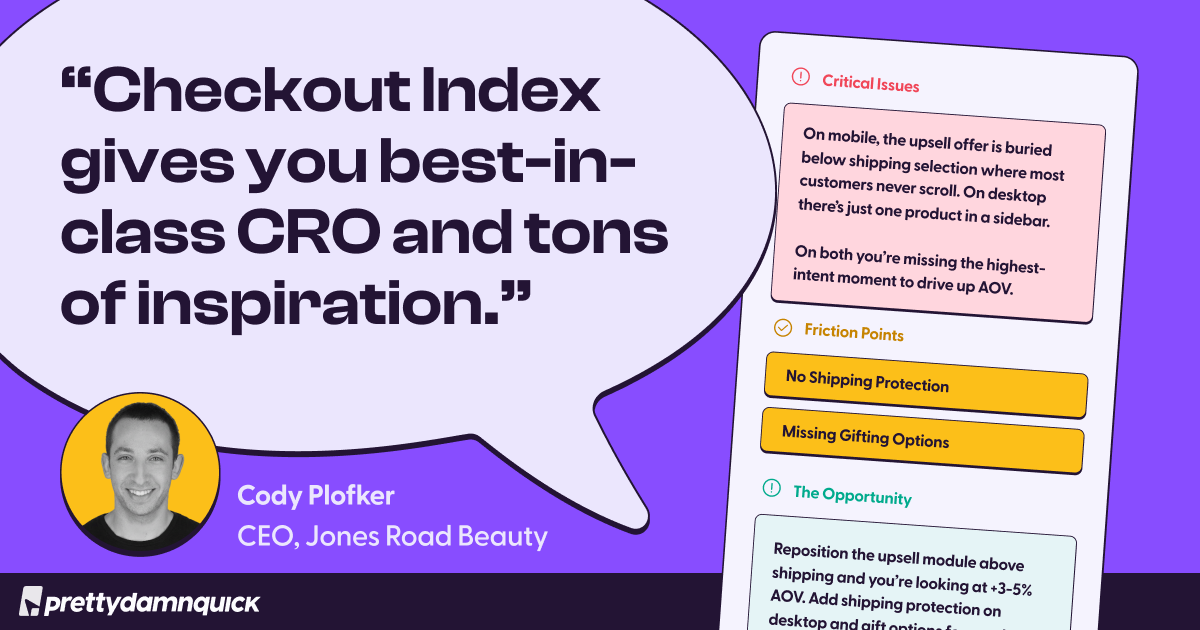
You can see your CVR. You can see your AOV. What you can't see is exactly which part of your checkout is quietly killing both.
Checkout Index by PDQ fixes that in 60 seconds.
It scans 47+ checkout signals across your Shopify store, benchmarks you against 130M+ sessions across 500+ brands, and hands you a personalized health score with a projected revenue recovery figure.
No install. No demo call. No credit card. Enter your URL, and you're done.
Jones Road Beauty ran their store through it, expecting nothing. One critical issue surfaced immediately. Upsell was buried below shipping on mobile, where most customers never scroll, missing shipping protection and gifting options.
One fix and a projected 3-5% AOV lift from a single placement change
💡 Why People Overestimate Themselves And Still Buy
You have probably felt confident about something you barely understood. That gap between perceived ability and actual skill is not random; it is predictable. The Dunning-Kruger effect explains why beginners often feel like experts, while real experts stay cautious. And this bias quietly shapes how people evaluate products, make decisions, and spend money.
Here’s how it plays out and how brands use it.
1️⃣ Beginners Overestimate Their Ability: People with low experience lack the awareness to judge their own skills. In a 1999 study, low-scoring participants believed they performed near the top, showing a clear gap between perception and reality.
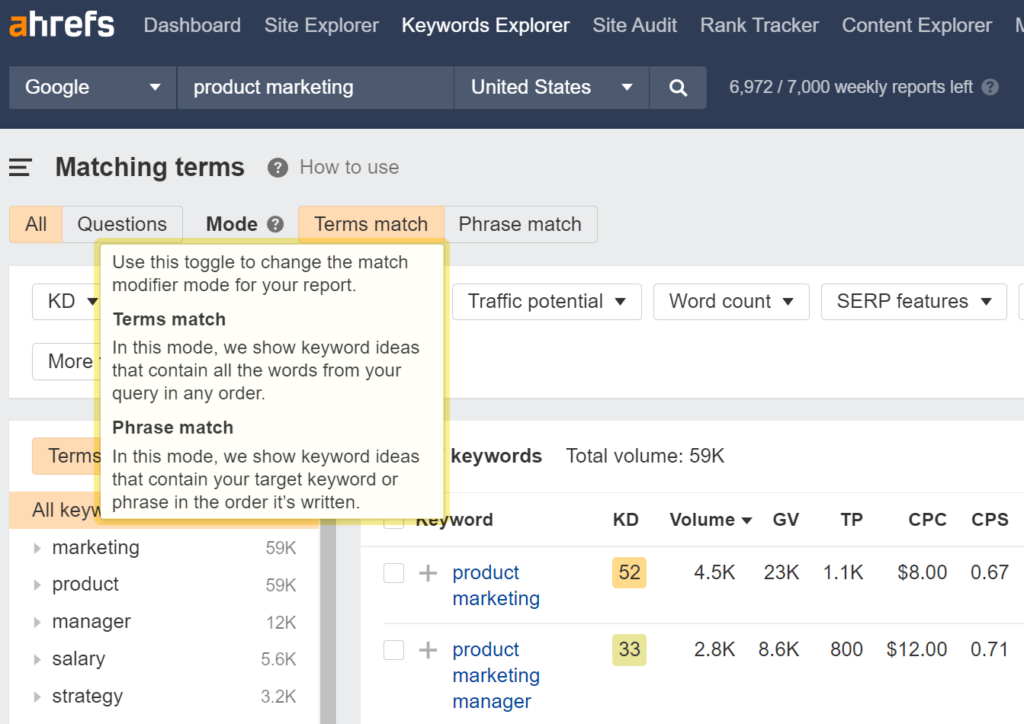
2️⃣ Create Early Wins To Build Confidence: Ahrefs makes new users feel like experts quickly. Simple actions like running an audit are reinforced with helpful prompts, making beginners feel capable and encouraging them to continue using the tool.
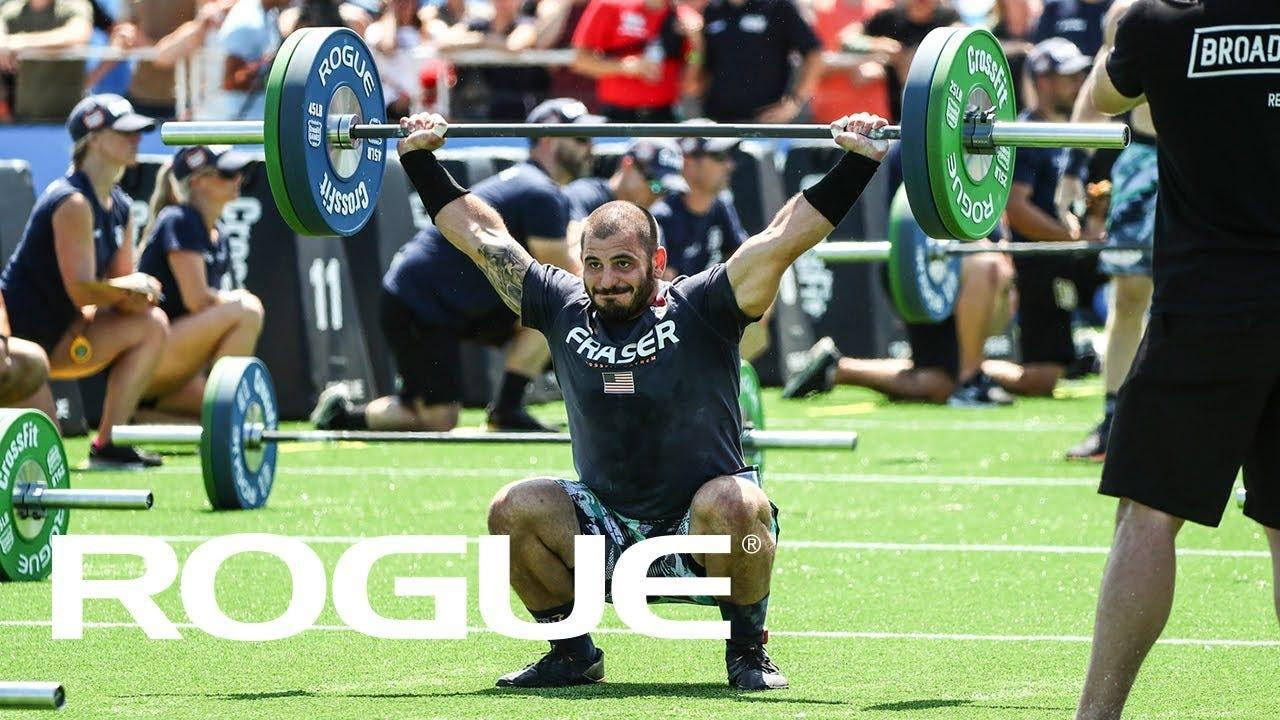
3️⃣ Sell The Identity They Aspire To: Rogue Fitness positions its products for serious athletes, not beginners. New users buy premium equipment because they see themselves as more advanced than they actually are.
4️⃣ Use Confidence To Drive Commitment: When users feel skilled early, they are more likely to invest time and money. That initial confidence creates momentum before reality catches up.
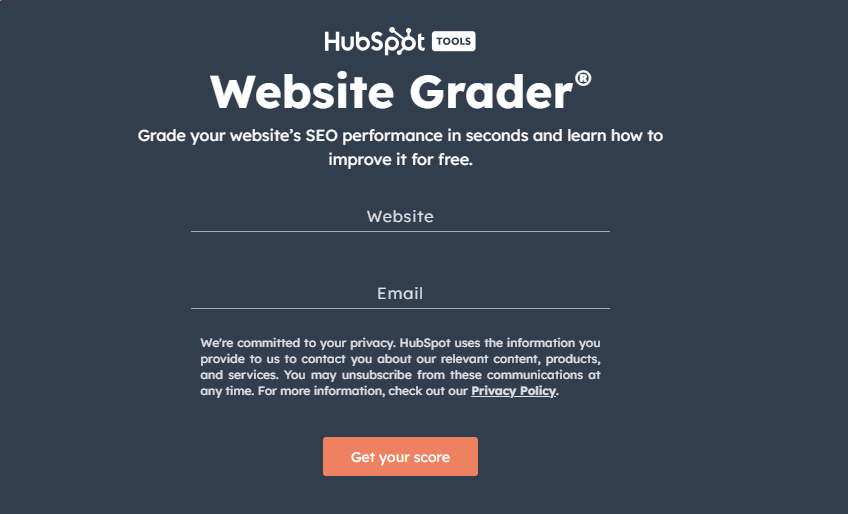
5️⃣ Introduce Reality Gradually: HubSpot uses tools like its website grader to show users their actual performance. A low score reveals gaps and creates urgency to improve using their solutions.
6️⃣ Guide Instead Of Correcting: Directly challenging users rarely works. Instead, guide them from confidence to awareness in a way that feels natural, not confrontational.
The Takeaway
People do not buy based on reality, they buy based on perception. If you can align with how they see themselves and guide them toward what they need, you turn overconfidence into action. The smartest brands do not fight this bias, they design around it.
💡 Why Loyalty Programs Fail Without This
Most brands try to build loyalty with rewards, perks, and exclusive access. But loyalty does not start there. It starts with something far less exciting, whether your product actually works and feels worth the price. If that foundation is weak, no amount of perks can fix it.
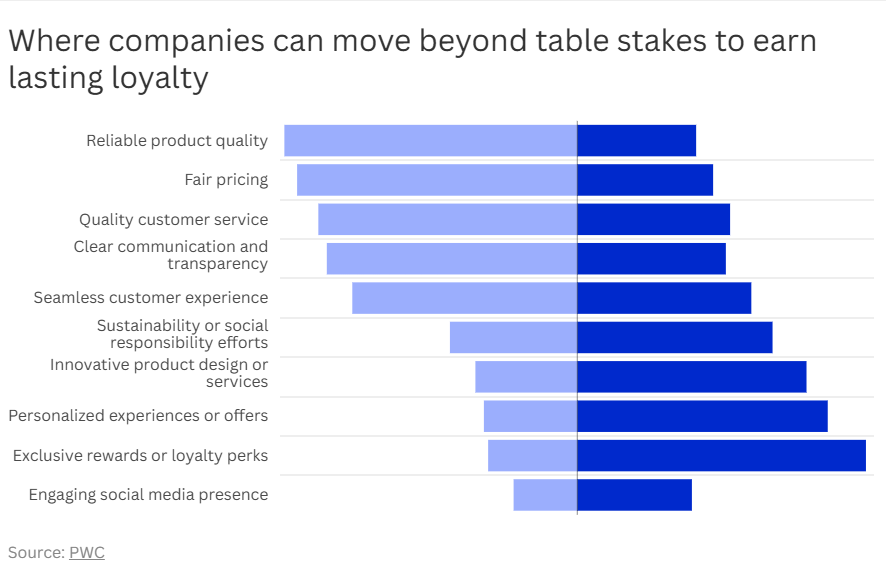
Here’s what really drives long-term loyalty.
1️⃣ Product Quality Comes First: Reliable performance is non-negotiable. If your product fails to meet expectations, customers will not stay, no matter what incentives you offer.
2️⃣ Pricing Must Feel Fair: Customers constantly evaluate value. If pricing feels misaligned with what they receive, loyalty breaks before it even begins.
3️⃣ Rewards Only Work As Multipliers: Loyalty programs do not create loyalty; they amplify it. If the core experience is strong, rewards strengthen retention. If not, they fall flat.
4️⃣ Personalization Builds Connection: Once the basics are in place, tailored experiences and relevant offers make customers feel understood and valued.
5️⃣ Experience Gaps Get Ignored: Many brands overestimate how seamless their experience is. Small friction points can quietly weaken loyalty over time.
6️⃣ Fix The Foundation Before Scaling Perks: Before launching memberships or VIP programs, check return rates and support tickets. These reveal whether your core experience is strong enough.
The Takeaway
You cannot build loyalty on top of a weak product. Fix the fundamentals first, then layer on rewards and personalization. The brands that win long-term are not the ones with better perks, but the ones with stronger foundations.
As we prepare more "Growthful" content, we'd love to hear your thoughts on today's edition! Feel free to share this with someone who would appreciate it. 🥰