The Trick Behind Perceived Value
🎯 See why visible savings can influence what shoppers buy, then learn why brands should pay attention to personal AI searches.

Hey there 🧠
Ready for another day of staying ahead of the competition in the Growth race?
Oh and before we go ahead! If your friend sent this to you, be sure to subscribe here! So you don’t miss out on any editions.
In Partnership with Omnisend
Imagine beating a month’s email revenue with one send
You’d probably double-check the numbers.
Enflow Digital did exactly that for a skincare client ahead of BFCM. One plain-text email sent through Omnisend to 1,676 recipients generated nearly $18,000, beating the previous month’s broad-audience campaigns combined.
Omnisend helped the team find the right customers to send it to. Its segmentation and MCP capabilities let them uncover purchase patterns in minutes.
Co-founder Karolina shares how they pulled it off with Omnisend, from choosing the audience to making the offer worth opening. Worth a read (or a watch) before you hit send on your own BFCM campaigns.
New to Omnisend? It's an email and SMS marketing platform for ecommerce used by more than 150,000 brands, generating an average of $79 for every $1 spent. Migration is free and takes up to five business days.
💡 Sometimes The Deal Feels Better Than The Product
People don’t judge a purchase only by what they get.
They also judge how good the deal feels compared with what they expected to pay. That feeling is known as Transactional Utility.
Here’s how brands use it.
1️⃣ Make The Saving Visible: JCPenney once replaced frequent coupons and markdowns with simpler everyday pricing.
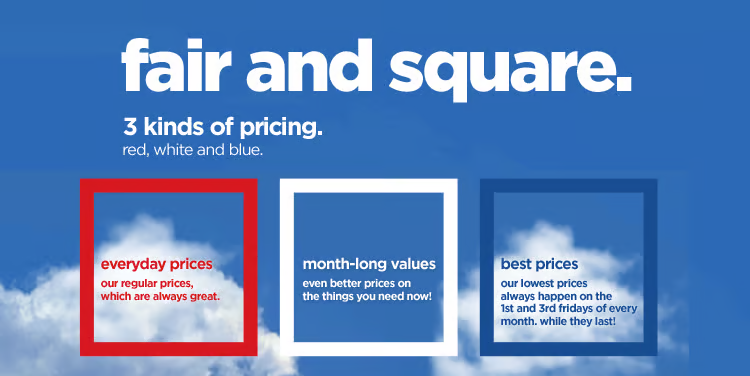
Even when prices were similar or lower, shoppers lost the feeling of getting a deal. Sales fell sharply, and the company eventually brought promotions back.
If customers are saving money, make the comparison obvious.
2️⃣ Create One Legendary Bargain: Costco’s $1.50 hot dog and soda combo has barely changed in price since 1985.
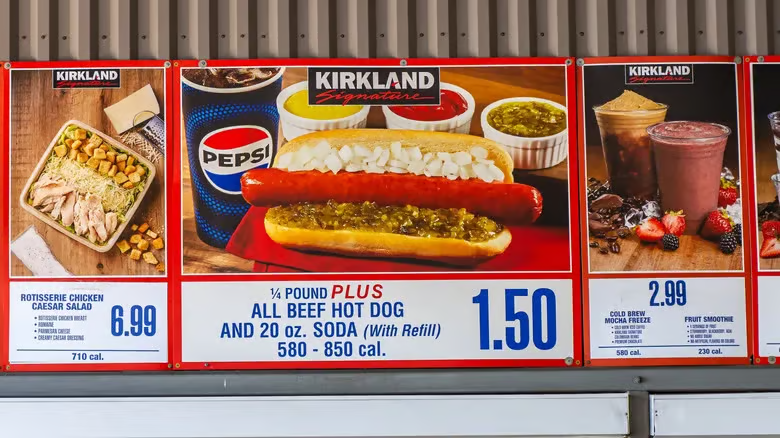
As everything else becomes more expensive, that fixed price feels increasingly valuable.
Brands don’t need to discount everything. One memorable bargain can influence how customers perceive the rest of the offer.
3️⃣ Rebuild Value When Prices Rise: McDonald’s introduced its $5 Meal Deal after customers became more sensitive to rising menu prices.
The bundle gave shoppers a clear reference point for value and helped bring some infrequent customers back.
A simple, highly visible offer can reset expectations when your usual prices start feeling expensive.
Why It Works
People compare prices against an internal reference point.
When the actual price beats that expectation, the deal itself creates satisfaction, which can make the product feel more valuable too.
The Takeaway
Don’t only sell the product.
Sell the feeling of getting a good deal.
Make savings easy to see, protect memorable value offers, and rebuild price perception when expectations start drifting.
💡 Most ChatGPT Use Happens Outside Of Work
ChatGPT may be a productivity tool, but most usage is personal.
That matters because the questions people ask outside work often sit much closer to purchase decisions.
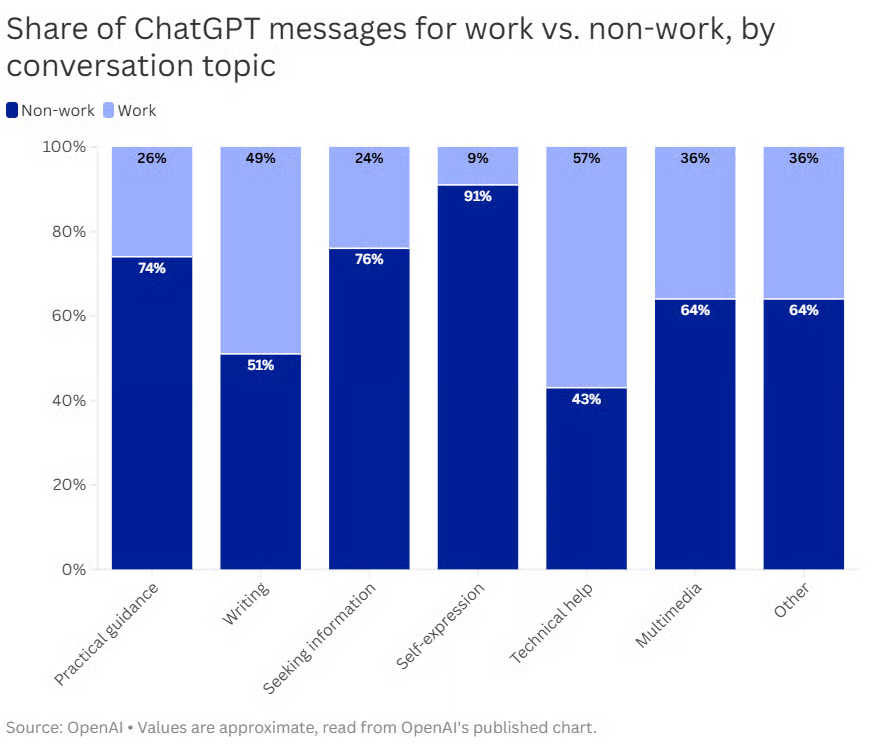
Here’s what the data shows.
1️⃣ Information Search Is Mostly Personal: Around 76% of information lookups on ChatGPT are unrelated to work.
People increasingly use it for questions they once asked traditional search engines.
2️⃣ Practical Guidance Skews Personal Too: Roughly 74% of practical guidance queries are personal.
That includes questions around what to buy, how to fix something, and how to make everyday decisions.
3️⃣ Self-Expression Is Almost Entirely Personal: About 91% of self-expression use happens outside work.
That shows how deeply ChatGPT is becoming part of everyday life, not just professional workflows.
4️⃣ Technical Help Is The Exception: Technical assistance is the only major category that leans toward work, at around 57%.
Writing is much closer to evenly split, with roughly 49% of usage tied to work.
5️⃣ Consumer Brands Should Pay Attention: These personal queries often signal real intent.
If people are asking ChatGPT which product to buy or how to solve a problem your product addresses, your brand needs accurate, useful information available for AI systems to surface.
Why It Works
High-intent consumer questions are moving into conversational AI.
That creates a new discovery layer where brands can influence consideration before shoppers reach a traditional search result or product page.
The Takeaway
Don’t think of ChatGPT only as a workplace tool.
For consumer brands, it is increasingly becoming part of the buying journey.
As we prepare more "Growthful" content, we'd love to hear your thoughts on today's edition! Feel free to share this with someone who would appreciate it. 🥰