The Psychology Of Buying Decisions
⚡ Learn how to remove buying friction, then discover why Millennials trust AI more than any other generation.

Hey there 🧠
Ready for another day of staying ahead of the competition in the Growth race?
Oh and before we go ahead! If your friend sent this to you, be sure to subscribe here! So you don’t miss out on any editions.
In Partnership with ModashYou See Their Creator Campaigns. Now Hear Their Thinking.
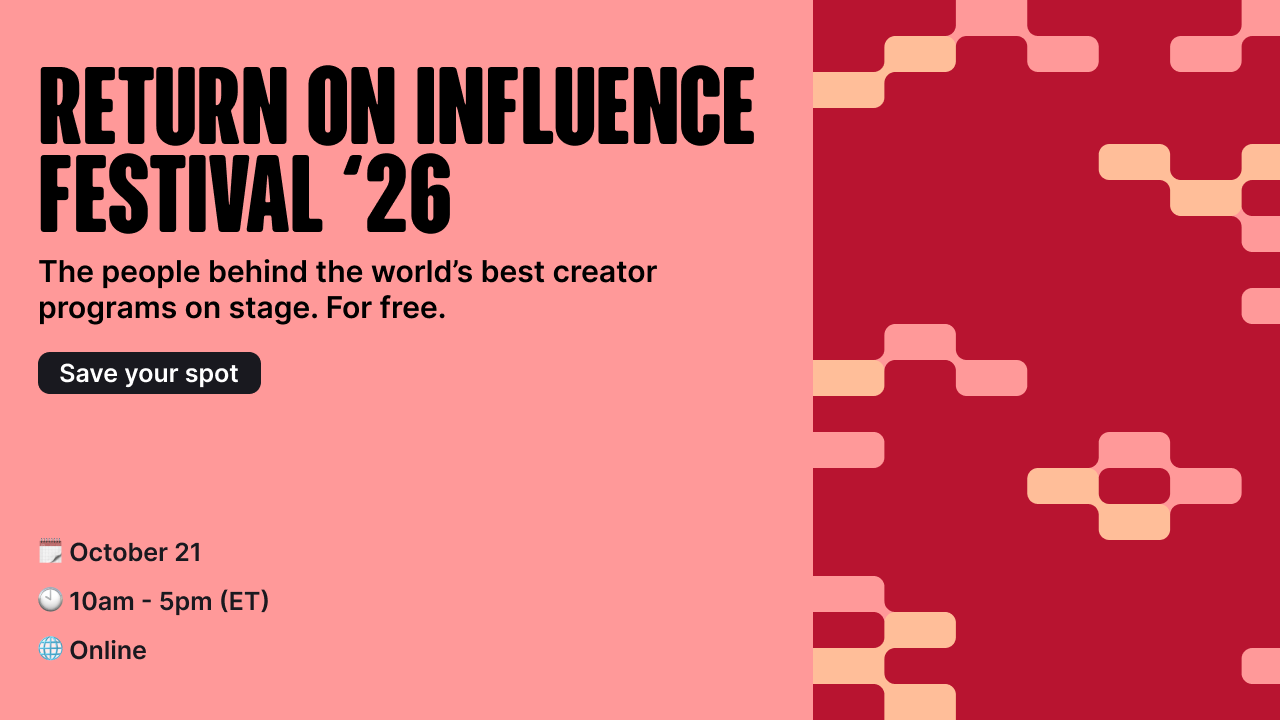
A creator campaign can look great in your feed and still leave you wondering whether you’d pay to run it again.
Repeating that uncertainty with more creators gets expensive.
On October 21, Modash’s Return on Influence Festival ’26 opens up how established teams run their programs, including the mistakes behind better campaigns.
Here’s what you’ll learn:
- How teams run campaigns day-to-day, including what they changed after mistakes.
- What creators want from brand partners so that you can approach collaborations from their side.
- What it takes to scale from 5 to 5,000 creators before adding more to your own program.
You’ll hear from Maya Shaff, Head of Influencer at ŌURA, and Josh Rangel, Senior Director, Social Strategy at Ogilvy. More to be announced. It’s online and free.
Reserve your spot for Oct 21st and leave with actionable insights to build and scale a creator program that moves the needle.
Can't attend every session live? Register anyway, and you’ll get the recordings in 24 hours.
💡 How The Theory Of Planned Behavior Explains Why Customers Don't Act
People don't always act on good intentions.
They may want your product, understand its benefits, and still never make a purchase. The Theory of Planned Behavior explains why.
According to psychologist Icek Ajzen, three factors determine whether intention becomes action.
Here's how marketers can use it.
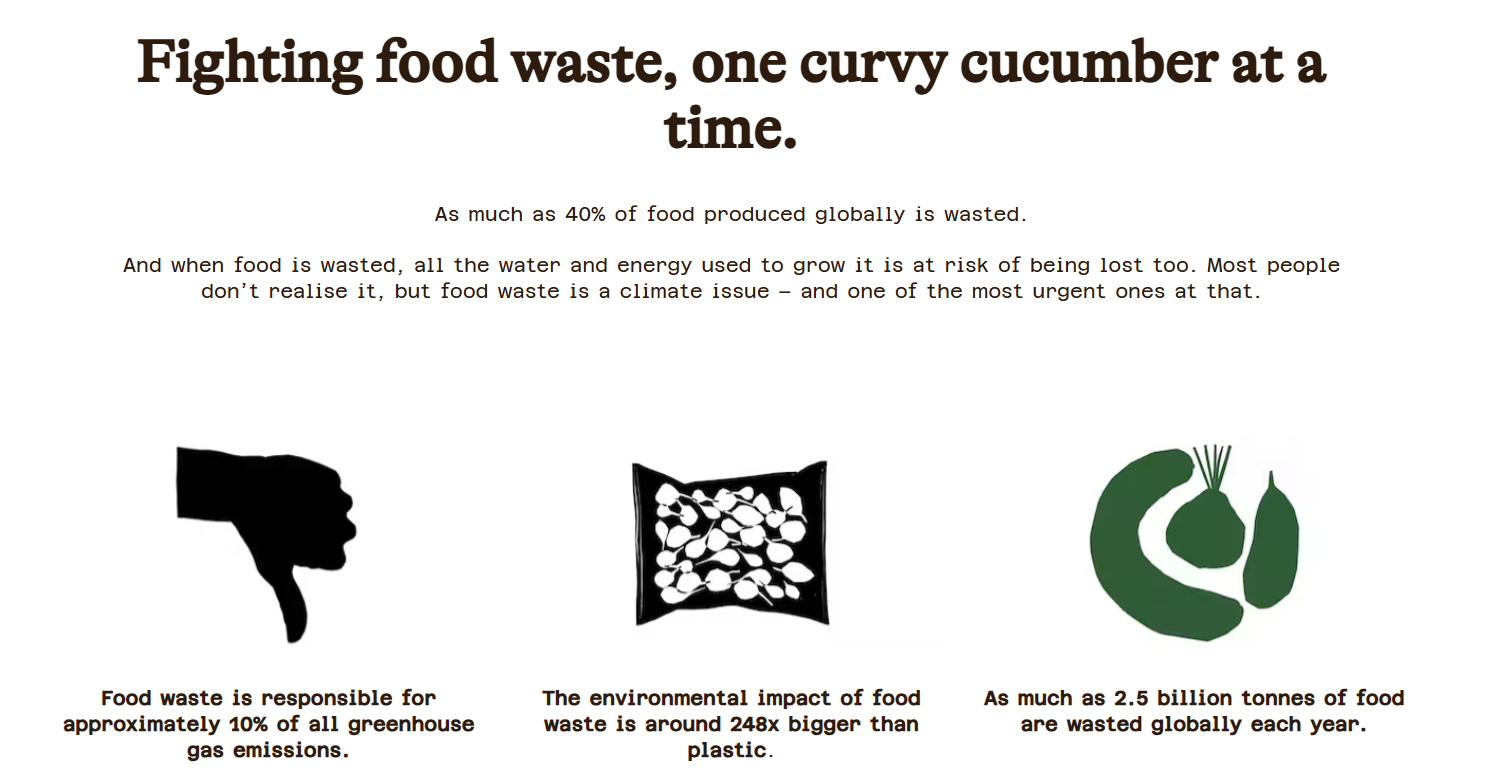
1️⃣ Strengthen Belief With Specific Numbers (Oddbox)People are more likely to act when they clearly understand the outcome. Instead of promising vague benefits, Oddbox quantifies its impact by showing exactly how much food customers help rescue over a specific period.
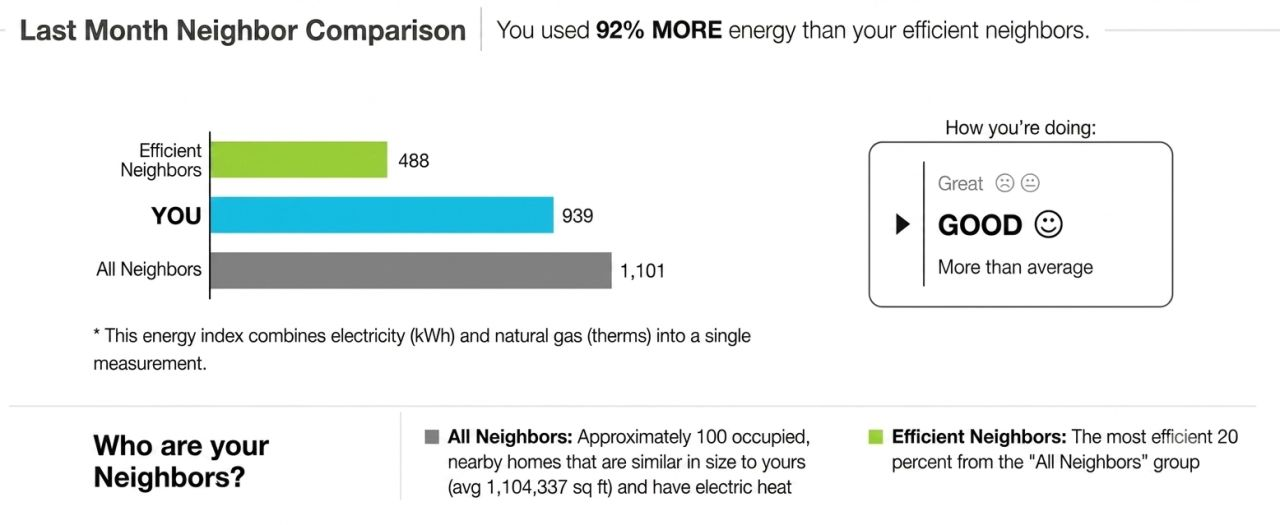
2️⃣ Show What Similar People Are Doing (Opower)People naturally look to others when making decisions. Opower encouraged energy conservation by comparing each household's usage with similar neighbors, making positive behavior feel normal rather than exceptional.
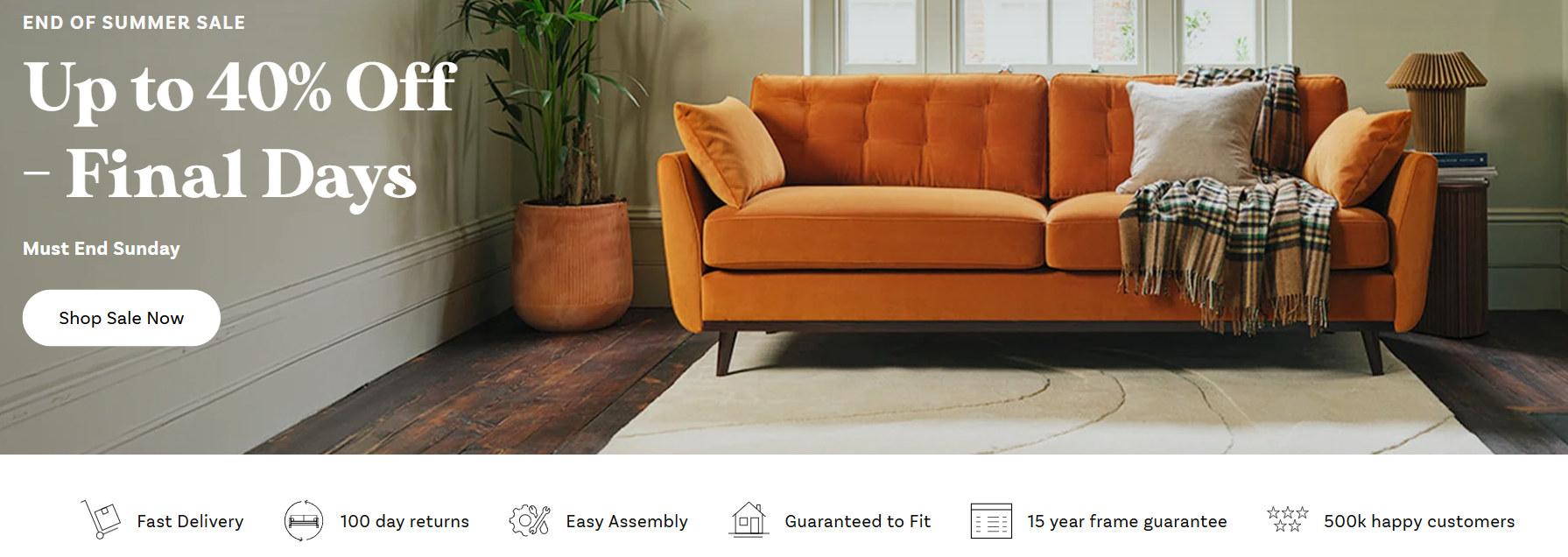
3️⃣ Remove Self-Doubt (Swyft)Customers often hesitate because they question whether they can successfully use a product. Swyft reduces this uncertainty by highlighting simple assembly, fast delivery, and generous returns, making the purchase feel easier and less risky.
4️⃣ Reduce Friction At The Critical StepIdentify where customers hesitate most. Instead of lowering the price, reduce uncertainty by simplifying the experience, answering objections, or demonstrating exactly what happens next.
5️⃣ Address All Three DriversSuccessful marketing strengthens positive attitudes, reinforces social proof, and increases customers' confidence that they can complete the desired action.
Why It Works
People act when they believe the outcome is worthwhile, see others like themselves doing it, and feel confident they can succeed. Remove any one of these elements, and intentions often remain just intentions.
👀 Brand Examples (Oddbox, Opower & Swyft)
Oddbox makes benefits measurable with real numbers. Opower uses social comparison to normalize desired behavior. Swyft removes practical barriers that prevent customers from completing a purchase.
The Takeaway
Great marketing doesn't just persuade people to want something. It helps them believe they can actually take the next step.
💡 Who Really Leads AI Shopping? It Isn't Gen Z
Most people assume Gen Z is leading the AI shopping revolution.
The data tells a different story. Millennials are adopting AI shopping faster, while older generations continue to prefer traditional buying experiences.
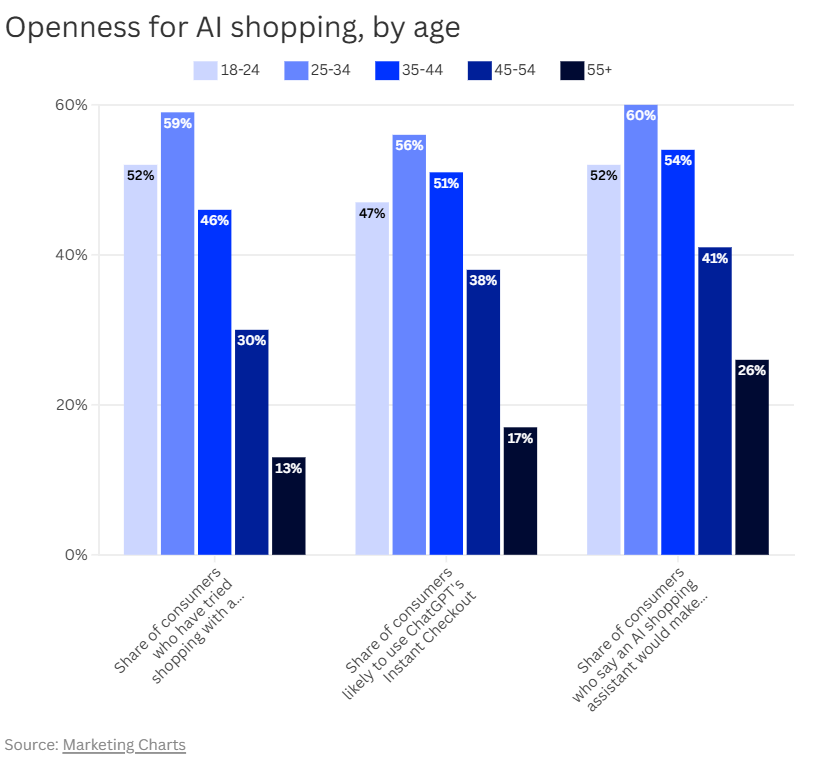
Here's what the numbers reveal.
1️⃣ Millennials Lead AI AdoptionMillennials are the most active AI shoppers. They are more likely to research products with AI, trust AI-powered checkout experiences, and believe AI makes shopping easier.
2️⃣ Gen Z Is More SelectiveAlthough Gen Z actively uses AI tools, they're more cautious about allowing AI to influence final purchase decisions or complete transactions automatically.
3️⃣ Adoption Falls With AgeAI shopping usage drops significantly among consumers over 45. Many older shoppers still prefer familiar purchasing journeys, traditional payment methods, and human support.
4️⃣ Design For Different GenerationsA single shopping experience won't suit every customer. Younger audiences may appreciate AI-powered discovery and streamlined checkout, while older buyers often value transparency, control, and human assistance.
5️⃣ Personalize The Buying JourneyMatch the shopping experience to your audience. Offer AI-powered recommendations where appropriate while preserving traditional navigation, payment, and support options for customers who prefer them.
Why It Works
Consumer trust varies by generation. The easier you make the buying experience for each audience, the more likely they are to complete their purchase using the method they're most comfortable with.
The Takeaway
AI shopping isn't one-size-fits-all. The brands that combine AI convenience with customer choice will be best positioned to serve every generation.
As we prepare more "Growthful" content, we'd love to hear your thoughts on today's edition! Feel free to share this with someone who would appreciate it. 🥰