The Psychology Behind One Question
💡 One behavioral principle drives action, while one AI shift is changing how customers choose products.

Hey there 🧠
Ready for another day of staying ahead of the competition in the Growth race?
Oh and before we go ahead! If your friend sent this to you, be sure to subscribe here! So you don’t miss out on any editions.
In Partnership with Insense
DTC marketers: Your FREE Sept→Jan creator playbook for BFCM + Q5
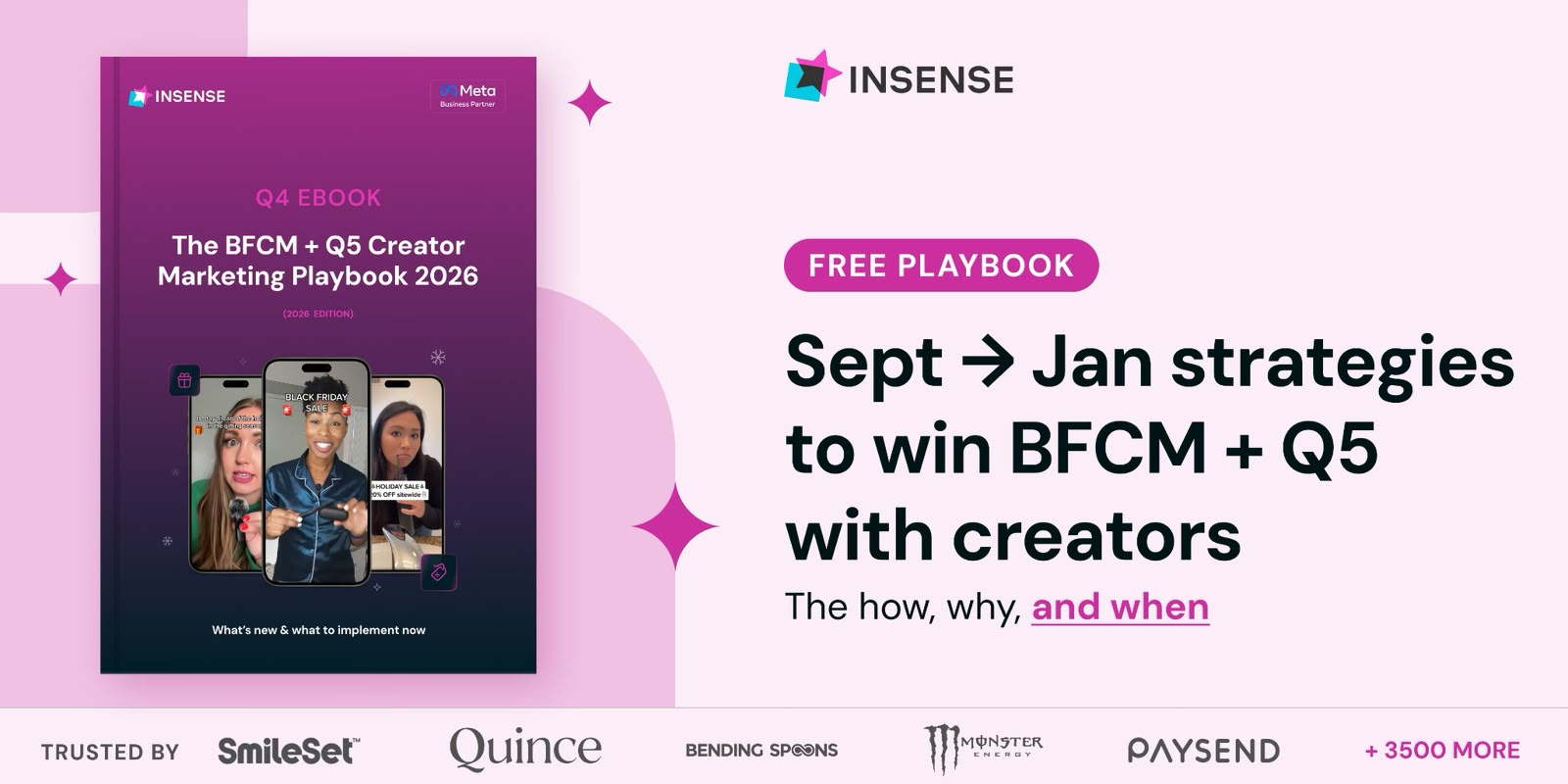
By October, CPMs can already be 20–60% higher. Waiting until November leaves your team buying expensive attention while still chasing creators, approvals, and usable content.
Insense’s free BFCM + Q5 Creator Marketing Playbook gives DTC marketers a week-by-week plan from September through January, so every creator campaign starts with a clear deadline and purpose.
Inside, you’ll learn how to:
- Adapt to four shifts that have changed how Q4 is won this year
- How to source the right creators within 48 hours
- Time organic and paid social campaigns across BFCM and the overlooked mid-December-to-January Q5 window.
Get the free playbook and turn the busiest selling season into a campaign your team can execute without last-minute scrambling.
Insense is the creator engine for consumer brands scaling past $2M, looking to save 40+ hours on creator operations per month - especially in Q4.
Book a free strategy call by October 2nd and get $200 towards your first campaign.
💡 How The Mere Measurement Effect Influences Buying Decisions
Sometimes, asking a question is enough to change behavior.
The Mere Measurement Effect suggests that simply asking people about a future action makes them more likely to follow through with it.
Here’s how to use it.
1️⃣ Survey Happy Customers (Financial Services) Asking satisfied customers about their experience does more than collect feedback. It can strengthen loyalty. Research found that customers who completed a satisfaction survey became more likely to open additional accounts and less likely to leave.
2️⃣ Use Quizzes To Build Intent (Warby Parker) Product quizzes do more than personalize recommendations. Every question encourages customers to define what they want. This makes them more committed to completing a purchase.

3️⃣ Let Users Set Their Own Goals (Strava) People are more likely to stay engaged when they define their own targets. Strava encourages users to set weekly activity goals, which increases long-term commitment through self-directed motivation.
4️⃣ Ask Meaningful Questions Only ask questions that help customers clarify real decisions they need to make. Purposeful questions strengthen intent, while unnecessary questions create friction.
5️⃣ Show Progress Regularly Once someone has stated a goal or preference, regularly show their progress. Visible progress reinforces commitment and encourages continued engagement.
Why It Works
Answering a question forces people to think about their future behavior. Once they express an intention, they become more likely to act consistently with what they have already said.
👀 Brand Examples (Warby Parker & Strava)
Warby Parker uses product quizzes to help customers clarify their preferences before buying. Strava increases long-term engagement by encouraging users to set measurable fitness goals and monitor their progress.
💡 How AI Is Becoming The Ultimate Product Filter
Consumers are changing how they shop.
Instead of asking AI what to buy, they’re asking it what not to buy. AI is becoming the fastest way to narrow hundreds of options down to a handful worth considering.
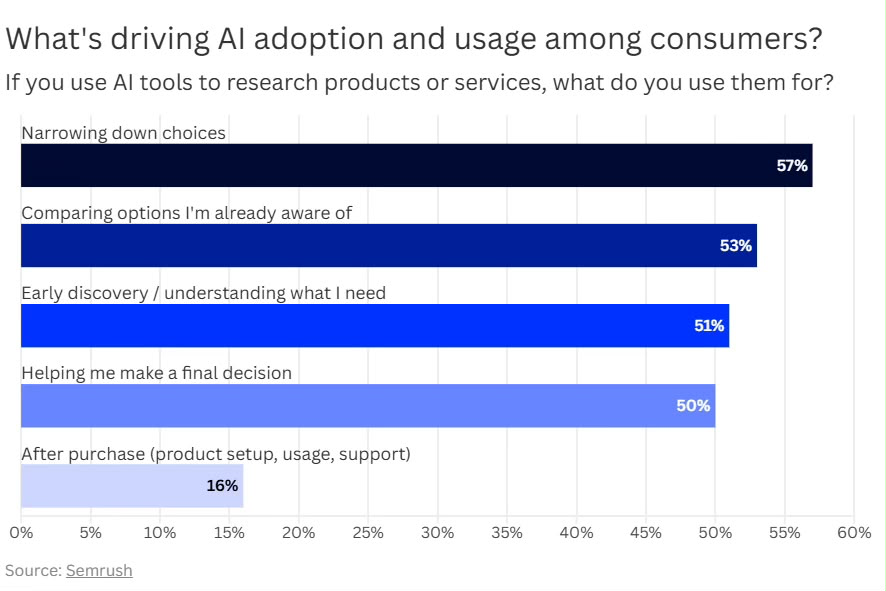
Here’s what the data shows.
1️⃣ AI Dominates The Comparison Stage Most shoppers use AI to compare products, evaluate features, and eliminate weaker options before making a purchase decision.
2️⃣ Discovery Starts Earlier AI also plays an important role in helping consumers discover brands and products they may not have considered through traditional search.
3️⃣ AI Helps Close The Sale Around half of shoppers rely on AI when making their final purchase decision, showing that conversational search now influences the entire evaluation process.
4️⃣ Support Still Belongs Elsewhere Once the purchase is complete, relatively few consumers continue using AI for onboarding or customer support, preferring brand resources and human assistance instead.
5️⃣ Optimize For AI Comparisons Create clear comparison tables, detailed specifications, FAQs, and structured product information that AI models can easily understand and reference when answering comparison queries.
Why It Works
Consumers face information overload. AI reduces decision fatigue by quickly comparing products, summarizing reviews, and filtering out unsuitable options before shoppers ever visit a website.
The Takeaway
AI isn’t replacing the buying journey. It’s reshaping the evaluation stage. Brands that make their products easy for AI to compare and recommend are far more likely to survive the shortlist and reach checkout.
As we prepare more "Growthful" content, we'd love to hear your thoughts on today's edition! Feel free to share this with someone who would appreciate it. 🥰