The Memory Marketing Advantage
🔍 See why interactive prompts outperform passive messaging, then discover what Gen Z’s payment habits reveal about better Q4 offers.

Hey there 🧠
Ready for another day of staying ahead of the competition in the Growth race?
Oh and before we go ahead! If your friend sent this to you, be sure to subscribe here! So you don’t miss out on any editions.
In Partnership with Insense
Save 40+ hrs/month in Q4 on UGC creator & influencer operations
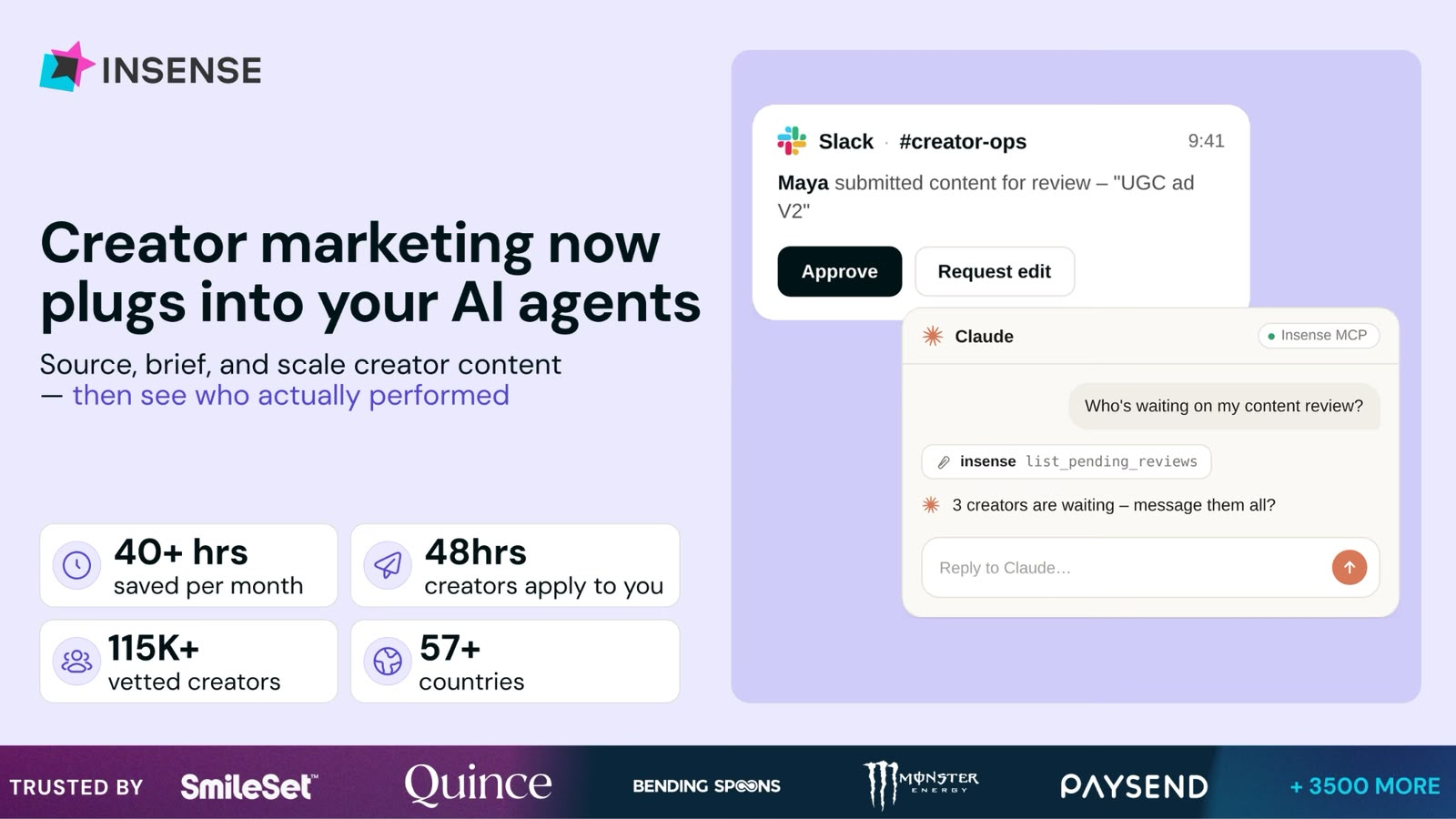
Your team already runs on Slack and AI agents. Your creator marketing should too.
Insense now plugs into the stack you already use, so you brief, approve, and track creator work without living in yet another dashboard.
Route campaigns and updates through Slack, put your AI agents (ChatGPT, Claude) to work on briefs and shortlists, and keep everything connected to your Ads Manager and analytics.
Underneath, the creator layer runs itself:
- Vetted creators apply to you within 48 hours - from a vetted marketplace of 115K+ creators across 57+ countries
- Run diverse campaign types - from UGC to seeding, influencer posting, and Meta Partnership Ads and TikTok Spark Ads
- Get creator performance insights - connect your Ads Manager and view which creators perform best - not only which ads
Over 3,500 brands and agencies use Insense, with first creator applications arriving within 48 hours and teams saving 40+ hours monthly.
Book a free strategy call by Oct 9th and get $200 towards your first campaign.
💡 Make People Recall Your Message, Not Just Read It
People remember information better when they actively retrieve it rather than simply rereading it.
That’s the Testing Effect, and marketers can use it to make products, onboarding, and ads more memorable.
Here’s how to apply it.
1️⃣ Turn The Product Into A Quiz: Readwise uses Mastery to convert highlights into Q&A cards and fill-in-the-blank prompts.
Instead of passively rereading notes, users have to recall the idea. That active retrieval makes the product more useful and the learning more memorable.
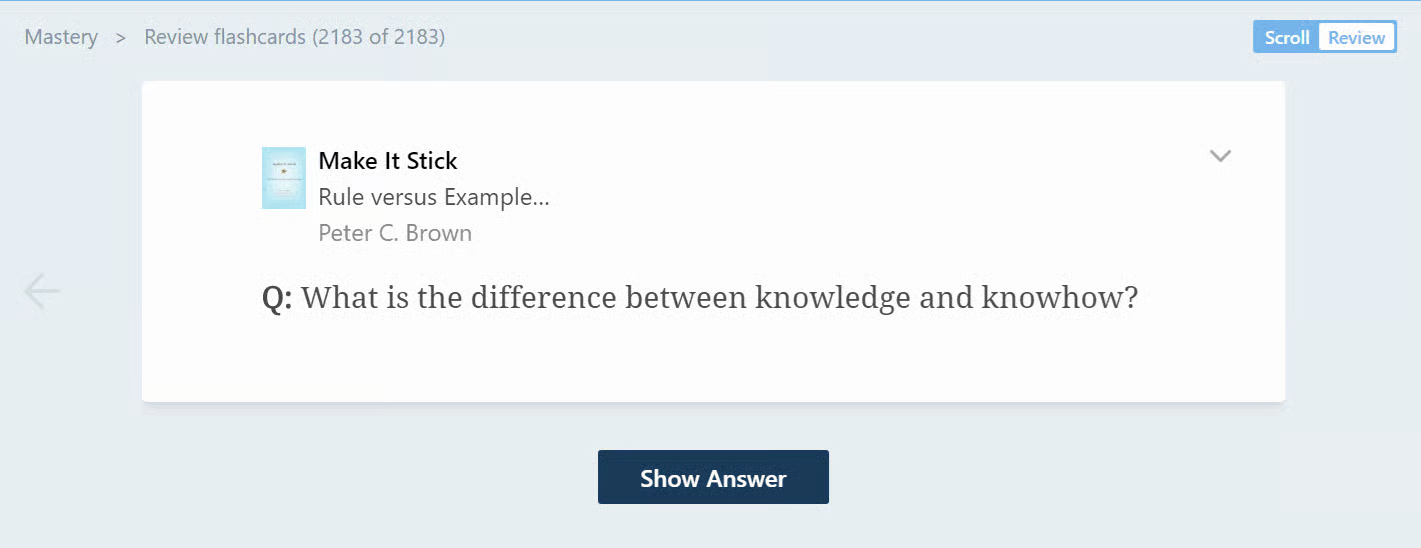
For marketers, the lesson is simple: replace passive tutorials with short recall tasks.
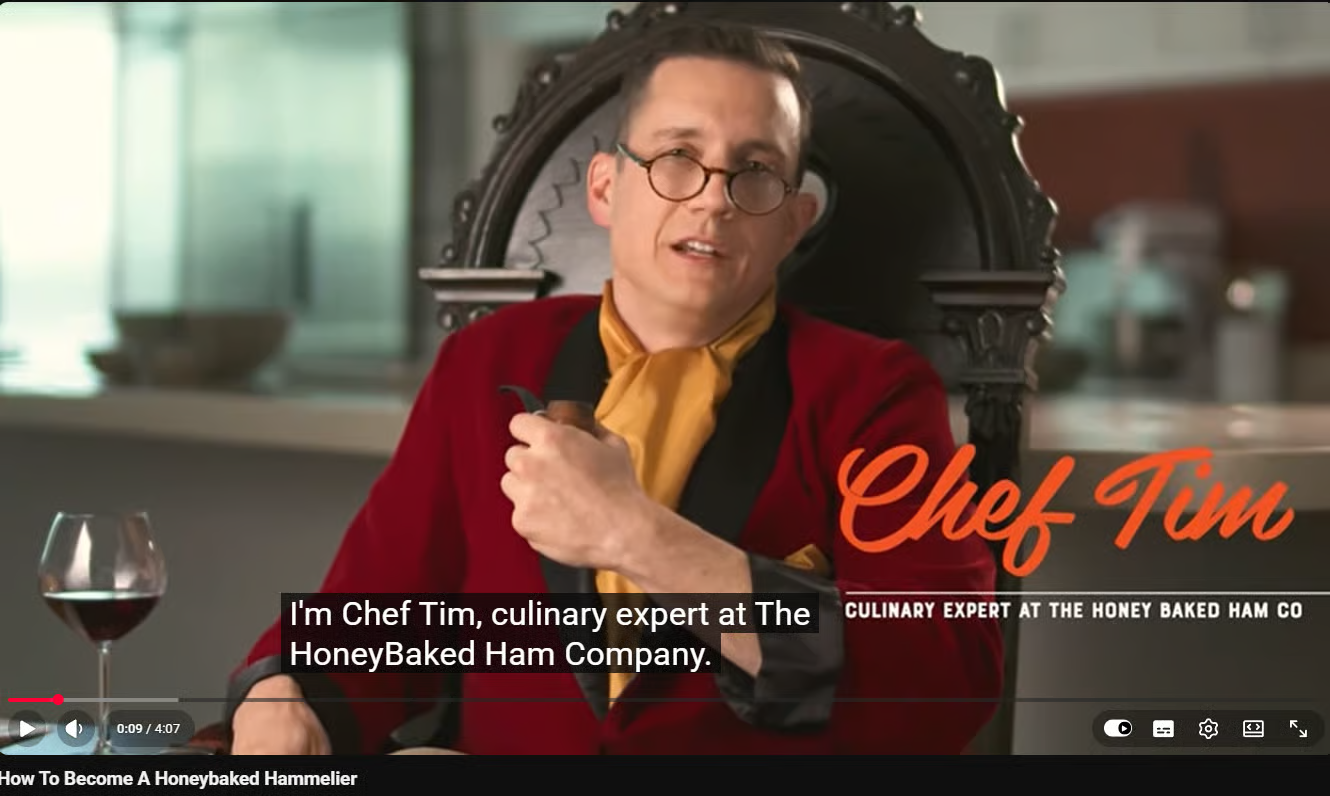
2️⃣ Certify Your Customers: HoneyBaked Ham once created a “Hammelier” quiz that tested customers on its products.
The quiz reinforced product knowledge while giving successful participants a title and certificate.
Ecommerce brands can test customers on ingredients or care tips, while SaaS companies can certify power users on product features.
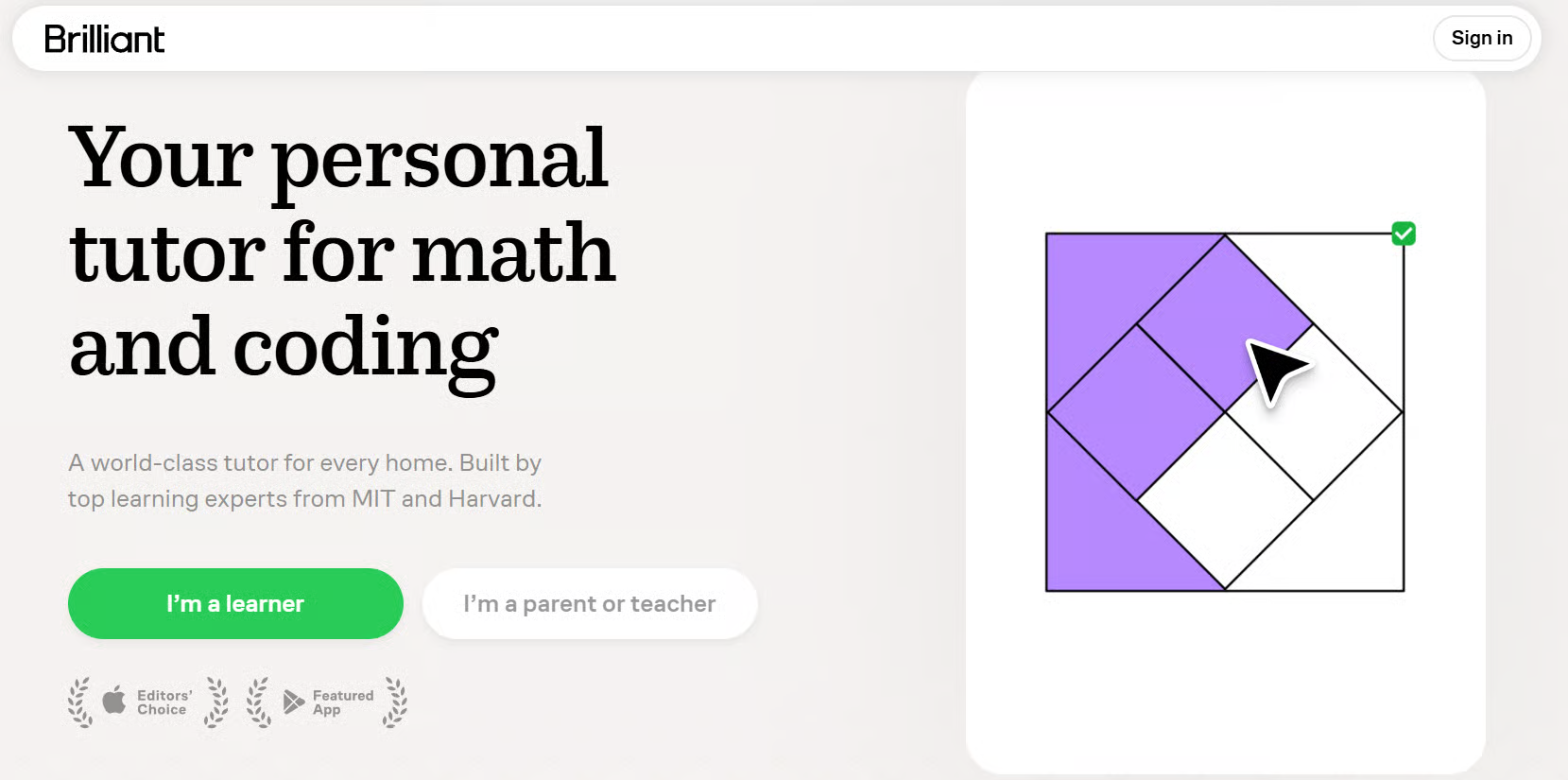
3️⃣ Make Ads Ask Questions: Brilliant often uses logic puzzles instead of traditional feature-heavy ads.
Viewers have to think before they get the answer, which makes the interaction more engaging than simply reading a claim.
A similar approach can work in ads: ask a question your product helps solve, pause, then reveal the answer.
Why It Works
Retrieval strengthens memory.
When people actively search their memory for an answer, they process the information more deeply than when they only consume it passively.
The Takeaway
Don’t just tell people what to remember.
Make them retrieve it.
Quizzes, challenges, certifications, and interactive prompts can turn passive attention into stronger recall.
💡 Gen Z Feels Payment Stress Differently
Holiday shopping often focuses on price.
But new survey data suggests younger shoppers may be more stressed by the number of payments they manage than the total amount they owe.
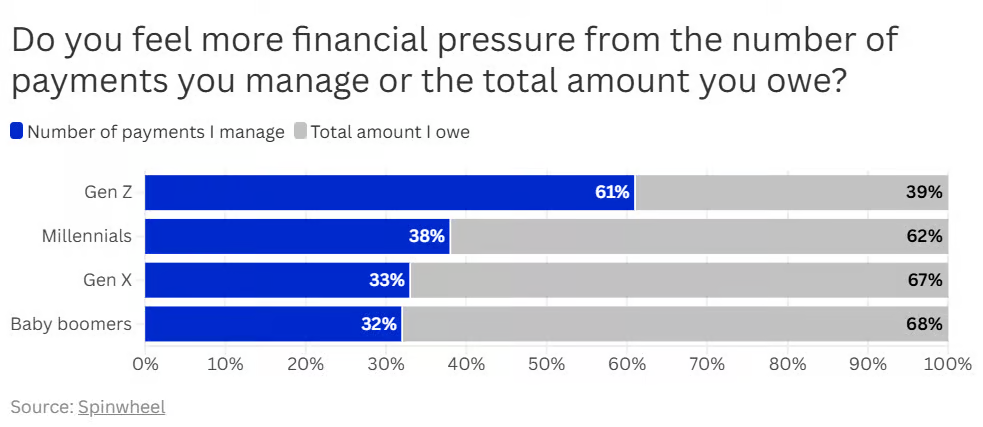
Here’s what the data shows.
1️⃣ Gen Z Feels The Most Payment Pressure: Around 61% of Gen Z respondents said the number of payments they manage causes more stress than the total debt itself.
They were the only generation where payment count mattered more than the overall balance.
2️⃣ Millennials Feel It Less: Among Millennials, 38% said payment count was the bigger source of stress.
That’s a sharp drop from Gen Z, suggesting younger shoppers may be dealing with more fragmented payment schedules.
3️⃣ Older Shoppers Focus On Total Debt: Only 33% of Gen X and 32% of Boomers said payment count was the bigger concern.
For most older shoppers, the total amount owed remains the larger source of financial pressure.
4️⃣ Pay-In-4 Changes The Experience: Gen Z has grown up with installment options built directly into checkout.
One purchase may look manageable, but several orders can quickly create multiple apps, due dates, and autopay schedules to track.
5️⃣ Match The Message To The Stress: For younger shoppers, simplicity can be more persuasive than another small discount.
Clear payment schedules, easier checkout, or incentives to pay in full can reduce friction. For older shoppers, total price and savings may still be the stronger message.
Why It Works
Different generations experience financial stress differently.
Understanding that difference helps brands frame the same offer in a way that feels more relevant.
The Takeaway
Don’t market payment flexibility the same way to everyone.
For Gen Z, fewer moving parts may matter just as much as a lower price.
As we prepare more "Growthful" content, we'd love to hear your thoughts on today's edition! Feel free to share this with someone who would appreciate it. 🥰