The Bystander Marketing Effect
🎯 Learn why customers hesitate, then create more engaging content without growing your team.

Hey there 🧠
Ready for another day of staying ahead of the competition in the Growth race?
Oh and before we go ahead! If your friend sent this to you, be sure to subscribe here! So you don’t miss out on any editions.
In Partnership with Wellput
Turn Your Newsletter into a Predictable Revenue Channel
You’ve built an engaged audience of 10k+ subscribers. Your content works. Now it is time to get paid for it with less effort.
Wellput helps you earn more from sponsorships by matching your newsletter with advertisers already spending across their network. You choose which sponsors fit your tone and your reader’s interests. We handle the testing, performance optimization, and reporting.
You stay focused on publishing. They make the sponsorship revenue consistent.
💡 Why Crowds Don't Take Action
Ever noticed how people are less likely to help when they're surrounded by others?
That's the Bystander Effect.
When responsibility is shared across a group, everyone assumes someone else will act. The same psychology influences how customers respond to your marketing.
Here's how to use it.
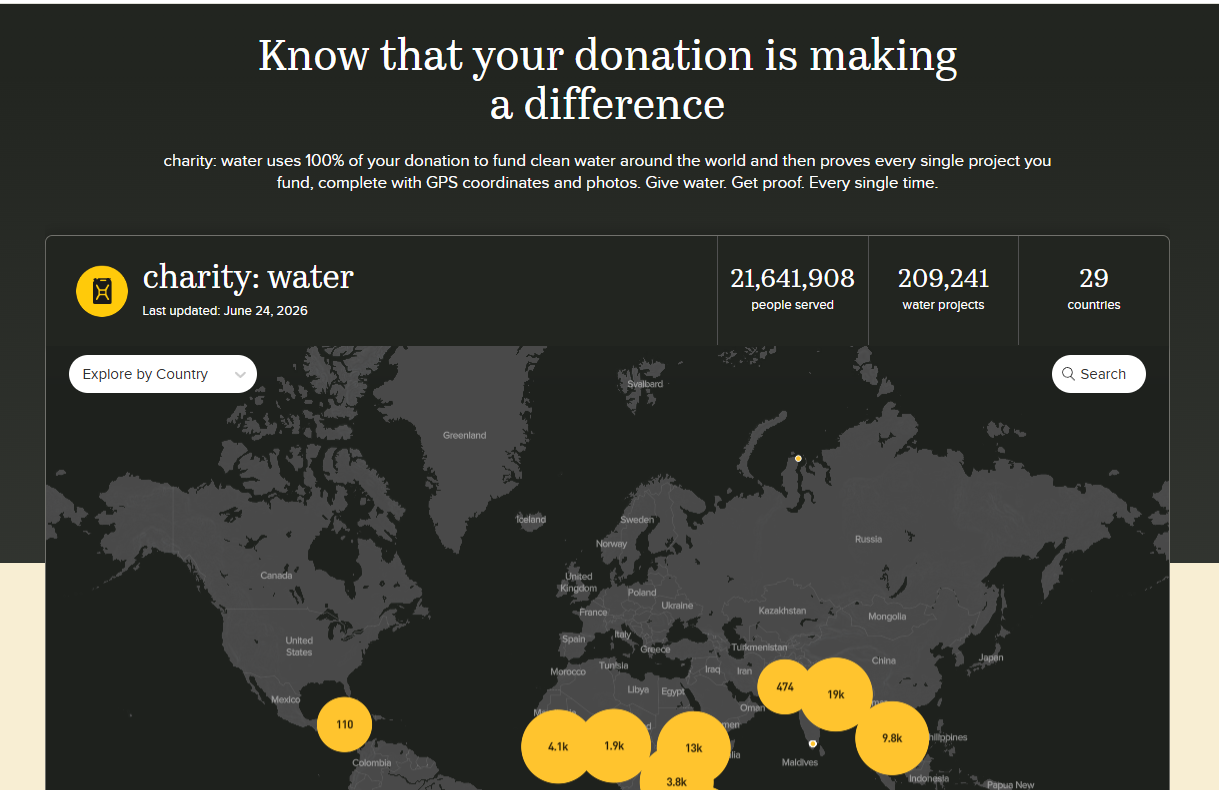
1️⃣ Write To One Person (Charity: Water) Avoid speaking to "everyone." Instead, address the individual. Charity: Water tells donors exactly who they're helping and even shares photos and GPS locations of the projects they funded. Personal responsibility drives action far better than broad messaging.
2️⃣ Create Genuine Urgency (Amazon) When shoppers believe someone else might claim the opportunity first, they're more likely to act. Honest stock notifications like "Only 3 left" reduce hesitation by turning the crowd into competition instead of comfort.
3️⃣ Make Actions Visible (ALS Ice Bucket Challenge) The ALS Ice Bucket Challenge became a global phenomenon because participants publicly nominated specific people to continue the challenge. Naming individuals removed the comfort of hiding within the crowd and encouraged immediate action.

4️⃣ Reduce Diffusion Of Responsibility Replace generic calls to action with direct language like "You" instead of "our customers." The more personally responsible someone feels, the more likely they are to respond.
5️⃣ Build Social Accountability Leaderboards, referral programs, public challenges, and visible progress all encourage action by making participation noticeable to others.
Why It Works
When responsibility feels shared, people naturally hesitate because they expect someone else to act first. Making customers feel individually responsible removes that hesitation and significantly increases the likelihood they'll take action.
👀 Brand Examples (Charity: Water, Amazon & ALS Ice Bucket Challenge)
Charity: Water personalizes every donation, Amazon uses genuine scarcity to encourage faster decisions, and the ALS Ice Bucket Challenge created massive participation by publicly nominating specific individuals. Each example reduces the bystander effect by making action feel personal.
The Takeaway
People rarely respond when they feel like just another face in the crowd. Make your customer feel personally responsible, create authentic urgency, and give them a reason to act before someone else does.
💡 Why Content Struggles To Engage
Most marketers know what good content looks like.
The problem is finding enough time, people, and creative resources to produce it consistently.
Here's where the biggest challenges lie.
Here's what the data shows.
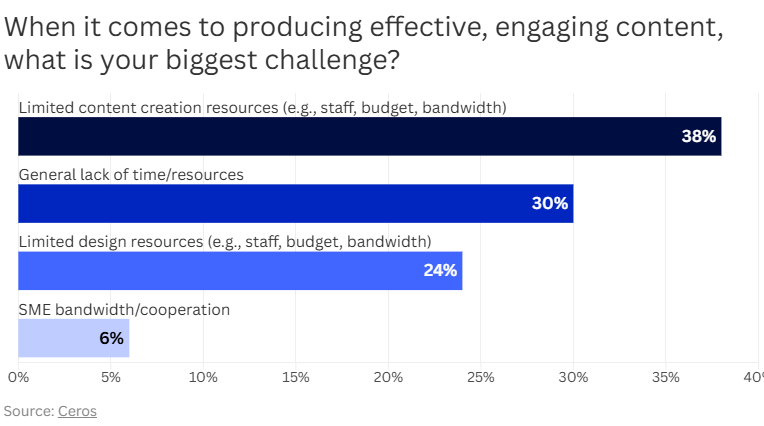
1️⃣ Content Teams Are Stretched Around 38% of marketers say limited content creation resources are their biggest obstacle. Many teams simply don't have enough people or budget to keep up.
2️⃣ Time Is Running Out Nearly 30% struggle with limited time and resources, forcing teams to prioritize publishing over creating truly engaging content.
3️⃣ Design Still Matters About 24% cite limited design resources as a major challenge. Even valuable content can be overlooked if it lacks strong visuals.
4️⃣ Expertise Isn't The Problem Only 6% of marketers say getting input from subject matter experts is difficult. Execution, not knowledge, is where most teams struggle.
5️⃣ Repurpose Your Best Content Instead of creating everything from scratch, transform successful blog posts into LinkedIn carousels, short-form videos, infographics, or social posts using AI design tools.
Why It Works
Repurposing helps teams create significantly more content without requiring additional time or resources. One high-performing asset can become multiple pieces of content across different platforms, extending both its reach and lifespan.
The Takeaway
Creating more content isn't always the answer. Getting more value from your best content is often the fastest and most effective way to increase engagement.
As we prepare more "Growthful" content, we'd love to hear your thoughts on today's edition! Feel free to share this with someone who would appreciate it. 🥰