The AI Funnel Is Shifting
🔍 Track the next shift in AI-powered search, then use Claude to turn job descriptions into structured hiring systems.

Hey there 🧠
Ready for another day of staying ahead of the competition in the Growth race?
Oh and before we go ahead! If your friend sent this to you, be sure to subscribe here! So you don’t miss out on any editions.
In Partnership with LeadPost
You already paid for that traffic. Twice, if you're retargeting it.
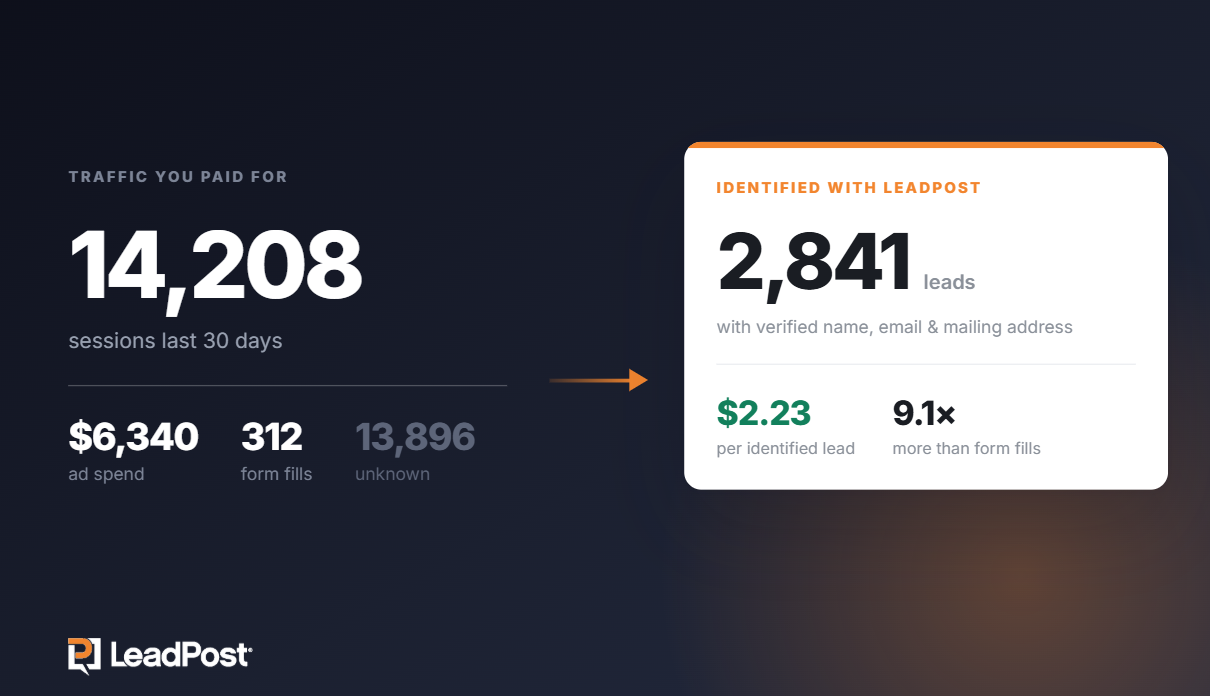
Ad costs climb every quarter, and the same visitors keep slipping away unnamed. Meanwhile the cheapest leads you'll get all month are already on your site. You just can't see them.
LeadPost turns anonymous sessions into contact records you own: name, email, postal address, company, job title.
It runs on the traffic you're already buying and pushes leads into your CRM automatically, so email, ads, and direct mail can pick up from there.
One customer traced $270,000 in sales back to a $4,000 spend.
Free for 14 days for Growth Pulse readers with no credit card. You'll see real leads out of your own traffic before you decide anything
*14-day free trial, up to 200 leads. No credit card required. U.S. website visitors only. Works best on sites with at least 1,000 unique monthly visitors.
💡 AI Agents Are Reshaping Search And Marketing
The AI race is no longer just about chatbots.
Meta, Microsoft, and Google are pushing AI deeper into discovery, campaign execution, search visibility, and content quality control.
Here’s what changed.
1️⃣ Meta’s Muse Is Growing Fast: Meta’s new AI assistant, Muse, has crossed 3.4 million downloads and reached the #1 position on both the U.S. App Store and Google Play.
During its first two weeks, downloads reportedly grew by an average of 55% day over day, compared with 24% for ChatGPT during a similar early period.
What makes the growth more interesting is that paid advertising accounted for only a small portion of impressions, suggesting strong organic demand.
2️⃣ Microsoft Is Turning Copilot Into an Agent: Microsoft is adding more agentic capabilities to Copilot, allowing marketers to complete more campaign work directly inside familiar Microsoft tools.
That includes building launch plans in Word, managing budgets in Excel, generating campaign recaps in PowerPoint, and even creating tracking pixels through coding tools without relying entirely on engineering teams.
3️⃣ Google Is Using AI To Detect Spam: Google has deployed a new AI-powered spam detection system known as SAFE.
Instead of evaluating pages in isolation, the system can investigate broader patterns such as rapid publishing activity, shared infrastructure, and content that may technically follow individual rules while violating the broader intent of Google’s policies.
For brands scaling AI-generated content, stronger editorial and quality controls are becoming increasingly important.
4️⃣ AI Overviews Could Give Organic More Space: Google is also testing a shorter version of AI Overviews on desktop search.
A more compact AI response could leave additional space for traditional organic listings, potentially giving publishers and brands more opportunities to earn clicks from search results.
5️⃣ Blog Content Is Entering AI Shopping Results: Google’s AI Mode product carousel is beginning to mix traditional product pages with informational blog content.
That means buying guides, comparisons, reviews, and educational articles may increasingly appear alongside commercial product listings.
Why It Works
AI is starting to influence every stage of the marketing funnel.
Discovery is shifting toward AI assistants, campaign execution is becoming more automated, search engines are getting stricter about content quality, and informational content is gaining new opportunities inside commercial search experiences.
The Takeaway
The AI race is becoming a distribution race.
Marketers should watch emerging AI platforms early, strengthen quality control around AI-generated content, and create useful educational content that can compete across both traditional search and AI-powered discovery.
💡 Turn Any Job Description Into A Structured Interview Kit With Claude
Most interviews become inconsistent because every interviewer asks different questions.
Claude can turn a job description into a structured interview framework so candidates are assessed against the same role-specific criteria.
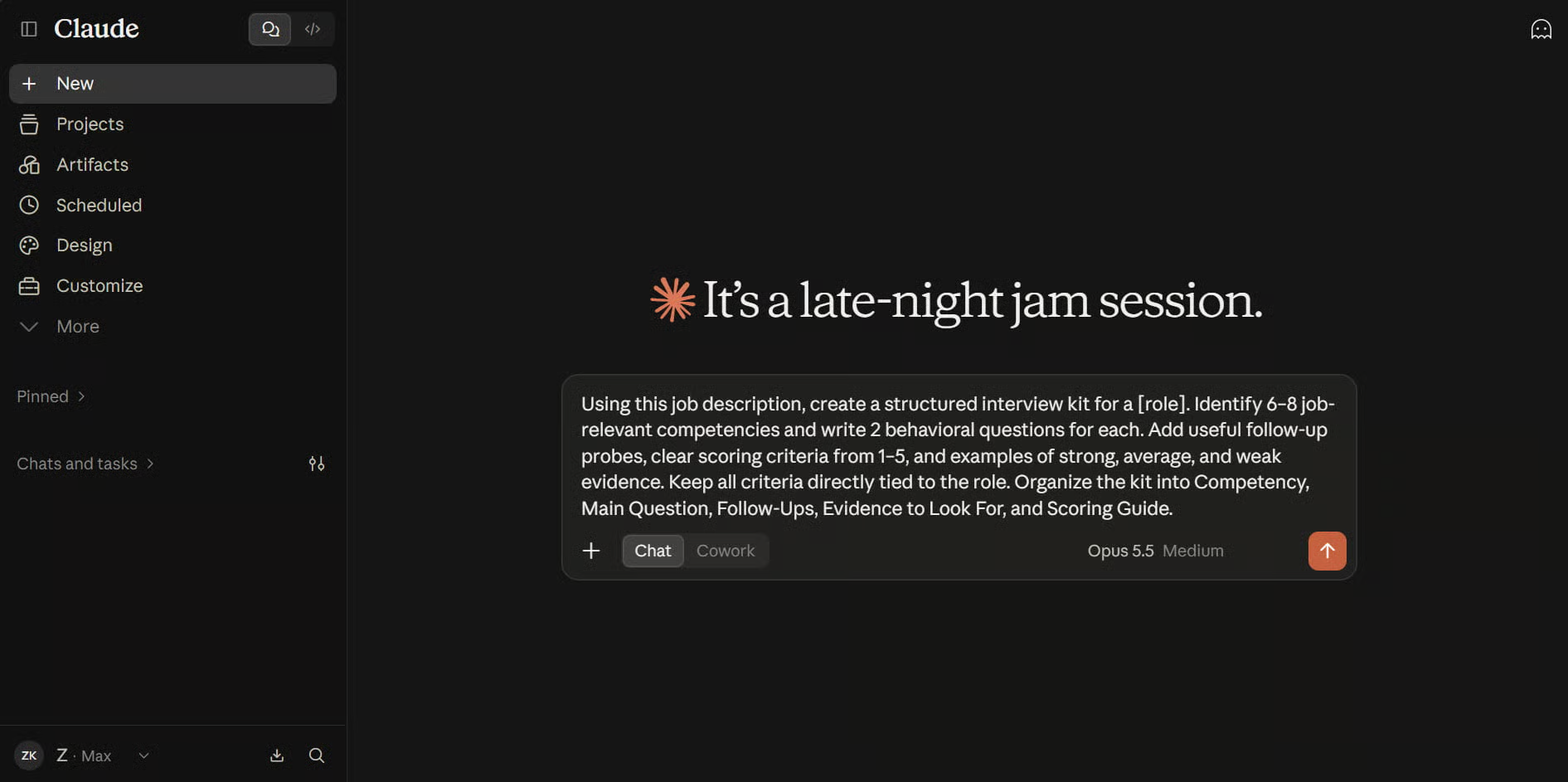
Here’s how to do it.
1️⃣ Upload The Job Description: Open Claude and upload the job description for the role you’re hiring.
Ask Claude to identify the role’s core competencies, responsibilities, technical skills, and behavioral requirements before creating any interview questions.
2️⃣ Choose The Interview Stage: Tell Claude exactly which stage you’re designing.
That could be an initial screening interview, hiring-manager round, technical interview, or final round. This helps Claude adjust the depth and type of questions accordingly.
3️⃣ Build Questions Around Competencies: Ask Claude to identify around 6–8 job-relevant competencies and create two behavioral questions for each.
You can use a prompt like:
“Using this job description, create a structured interview kit for this role. Identify 6–8 job-relevant competencies and write two behavioural questions for each. Add useful follow-up probes, scoring criteria from 1–5, and examples of strong, average, and weak evidence.”
4️⃣ Add Evidence and Scoring Criteria: Questions alone don’t make an interview structured.
Ask Claude to define what interviewers should listen for and create a consistent 1–5 scoring guide for every competency. This makes it easier to compare candidates based on evidence rather than instinct.
5️⃣ Create A Shared Interviewer Scorecard: Once the interview kit is ready, ask Claude to convert it into a simple one-page scorecard.
Include the competency, main question, follow-up prompts, evidence to look for, and scoring criteria so every interviewer evaluates candidates using the same framework.
Why It Works
Unstructured interviews can easily become subjective.
A structured interview kit keeps questions tied to the actual role, gives interviewers clear evaluation criteria, and makes candidate comparisons more consistent across different interviewers and rounds.
The Takeaway
Claude can do more than generate interview questions.
Give it the job description, define the interview stage, build questions around role-specific competencies, and add standardized scoring. The result is a repeatable interview process that is easier to run and easier to evaluate.
As we prepare more "Growthful" content, we'd love to hear your thoughts on today's edition! Feel free to share this with someone who would appreciate it. 🥰