Template (Copy)

Hey there 🧠
Ready for another day of staying ahead of the competition in the Growth race?
Oh and before we go ahead! If your friend sent this to you, be sure to subscribe here! So you don’t miss out on any editions.
Partnership with Section
Free Event: AI ROI Conference on March 5
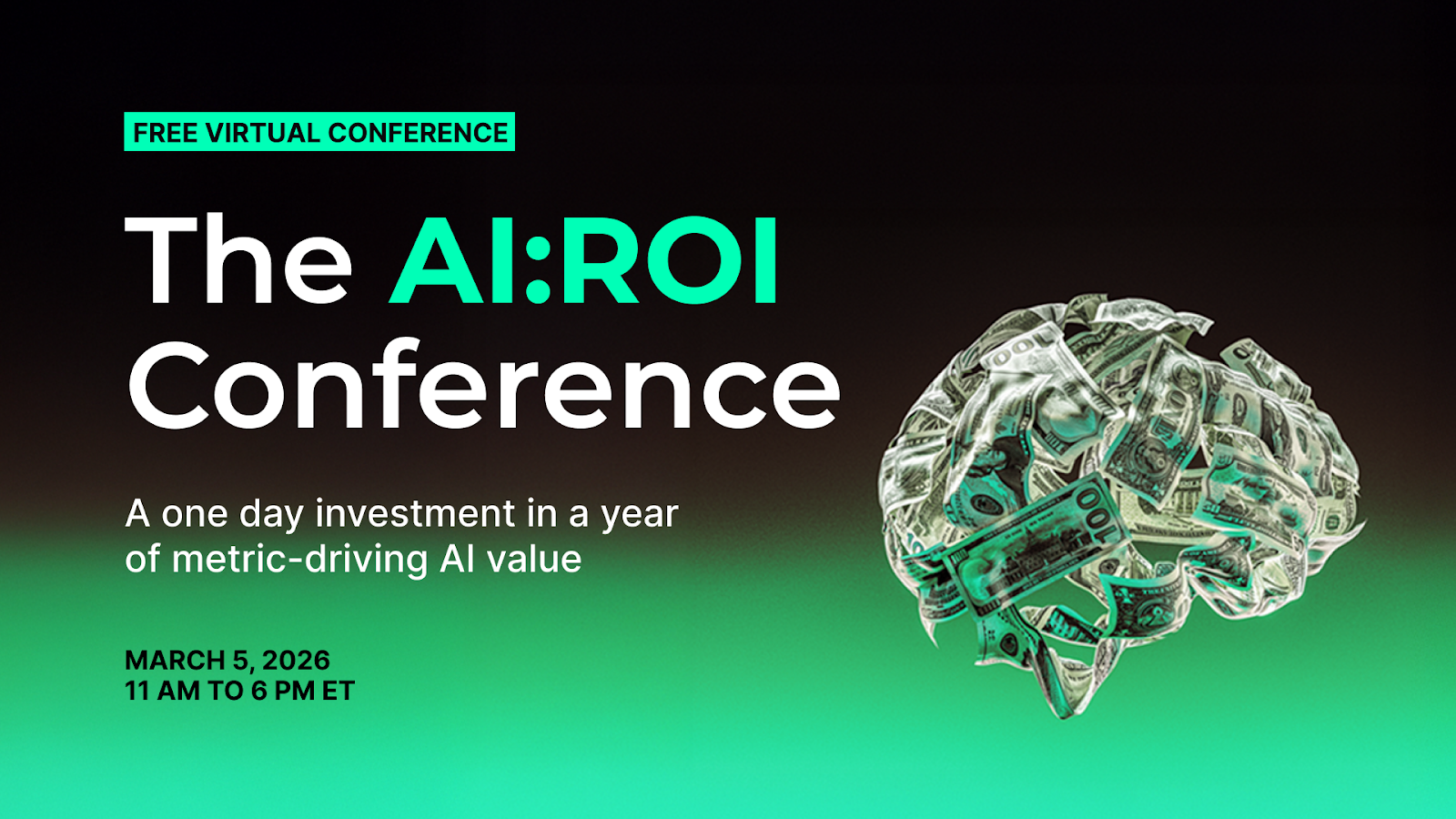
On March 5 from 2–3 PM ET, Section is hosting the AI:ROI Conference, a practical session for leaders responsible for making AI deliver real business results.
As leaders shift from funding experiments to demanding results in 2026, this is required learning for teams responsible for making AI pay off.
You’ll learn directly from AI pioneers who have already made the mistakes, worked through the complexity, and built repeatable paths to ROI, so you can fast-follow their playbook and set your 2026 AI strategy up for success.
Speakers include Brice Challamel, Head of AI Strategy and Adoption at OpenAI, Diane Igoche, Director of Agentforce Governance at Salesforce, and DJ Sampath, SVP of AI Software and Platform at Cisco.
RSVP for Free (Button)
💡 Should Your Video Ads Be Emotional Or Rational? Science Says Use Both
Insights from sciencesays
You are planning a new video ad. Your last one leaned heavily on emotion and worked well.
Now you are launching a new product and wondering if you should explain features instead. Go emotional again or switch to rational messaging.
Science suggests you do not need to choose.
The most effective video ads blend emotion and logic in the right order.
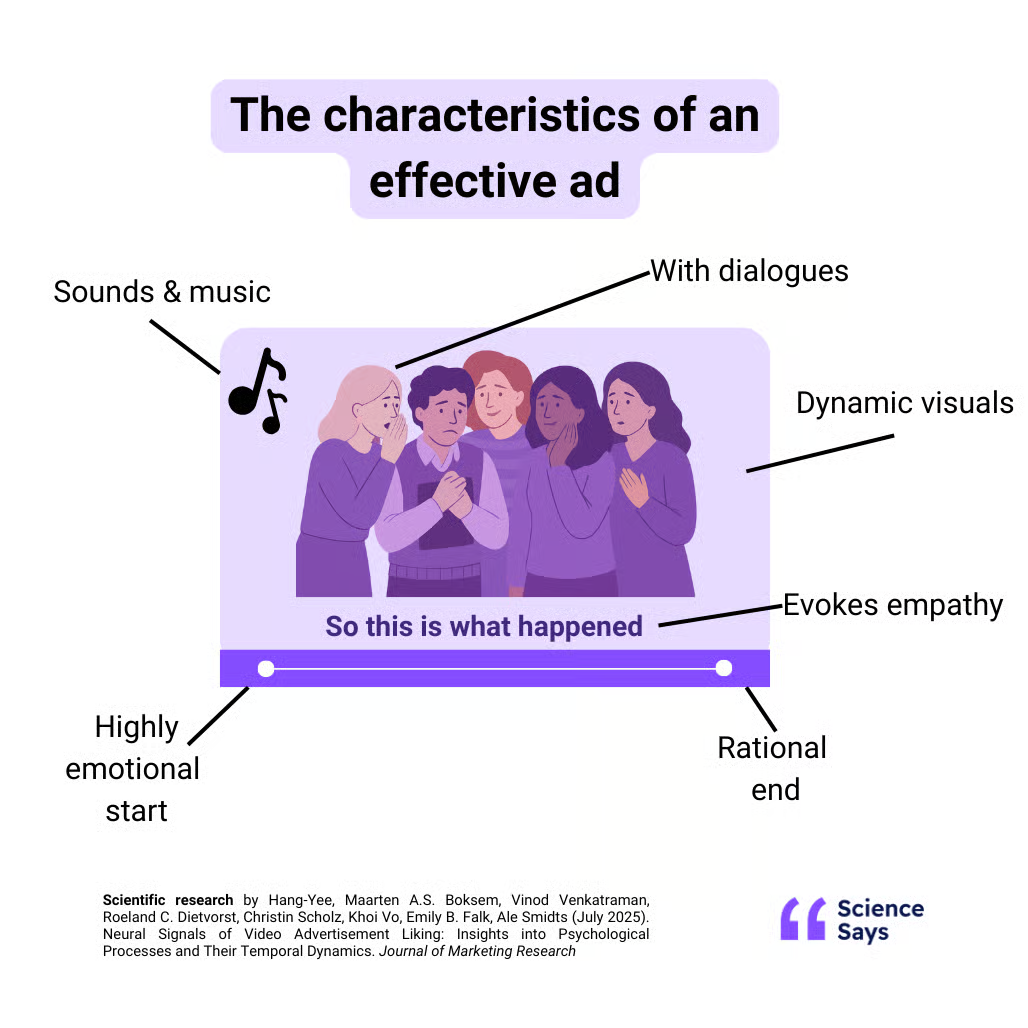
📈 Recommendation: Create ads that start with strong emotion and end with clear reasoning. Open with a relatable problem that triggers empathy, then close by explaining how your product solves it. Maintain emotional connection throughout, use dialogue instead of monologues, and engage both sight and sound through dynamic visuals, music, and narration. This combination consistently increases ad liking.
🎓 What The Research Found: In a study involving 113 participants in the US and the Netherlands, researchers used fMRI scans to measure subconscious reactions to video ads. Ads that performed best shared common traits. They opened with emotionally charged scenes, introduced logic toward the end, used dialogue with both voice and on-screen text, and combined visual motion with sound. The first ten seconds were especially predictive of success. Ads that encouraged people to evaluate whether the product fit their needs performed better, while ads overloaded with numbers or calculations reduced liking.
🧠 Why This Works Psychologically: Emotional scenes activate brain regions associated with warmth, empathy, and memory. This builds positive attitudes toward the ad early. As the story progresses, rational explanations help viewers justify those feelings logically. When ads show relatable situations and allow viewers to imagine themselves in the scenario, people feel transported into the story, which increases engagement and liking.
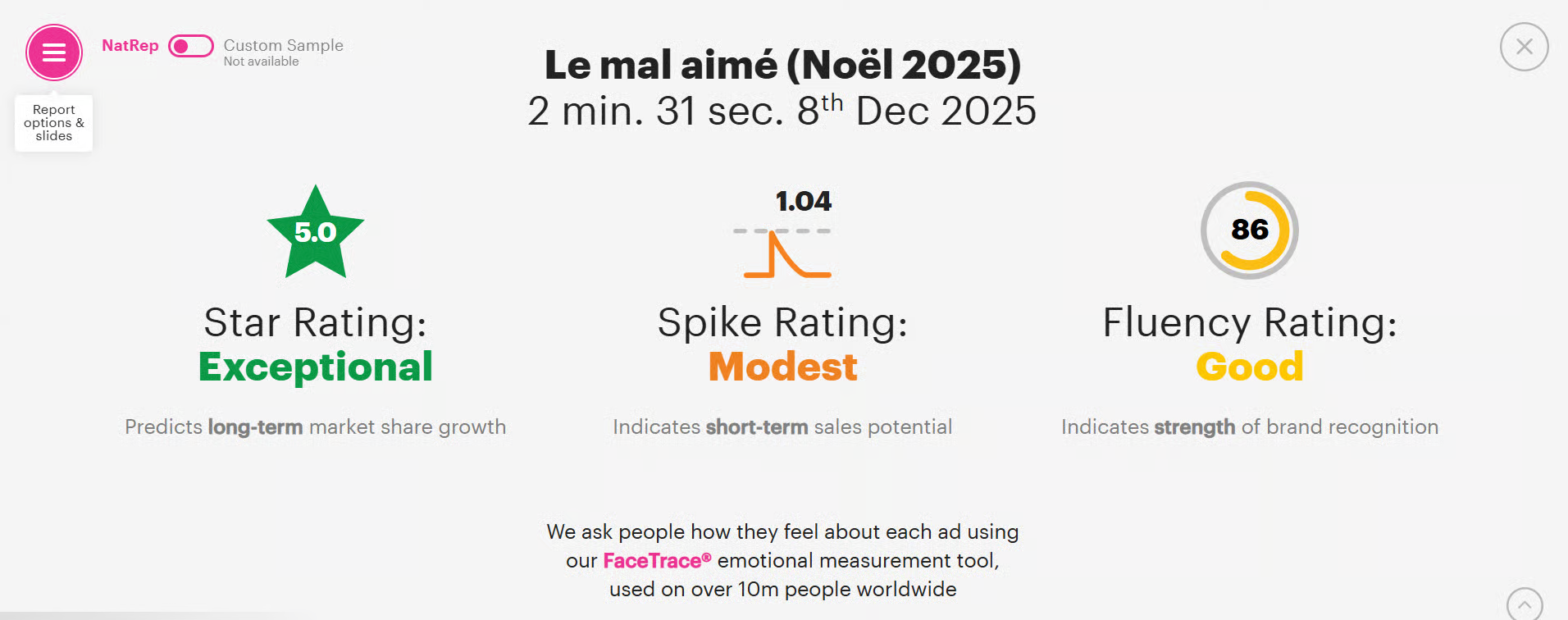
👀 Real Life Example: French supermarket Intermarché launched a Christmas ad promoting plant-based eating that followed this structure. The ad used dynamic visuals, dialogue, music, and emotional themes like family, guilt, and belonging. It maintained empathy throughout and concluded with a clear, logical message about plant-based choices. An independent analysis tool rated the ad at the highest level for brand growth effectiveness.
✋ Important Limitations: The study focused on long-form video ads, so results may differ for very short formats. It did not test whether positive or negative emotions work better, and findings may not apply to ads that rely on celebrities or interactive elements. Price also matters. Emotional messaging tends to work better for high-priced products, while rational messaging is more effective for lower-priced ones.
The Takeaway
The strongest video ads do not argue or entertain. They do both. Lead with emotion to earn attention, guide with empathy to build connection, and close with logic to justify the choice. When emotion and reason work together, ads become far more persuasive.
💡 How To Start An Online Business With Genstore AI
Starting an online business usually means juggling product sourcing, store design, copy, SEO, and marketing. Genstore AI compresses all of that into a single workflow powered by AI agents.
Instead of stitching tools together, you describe what you want to build. Genstore handles the rest.
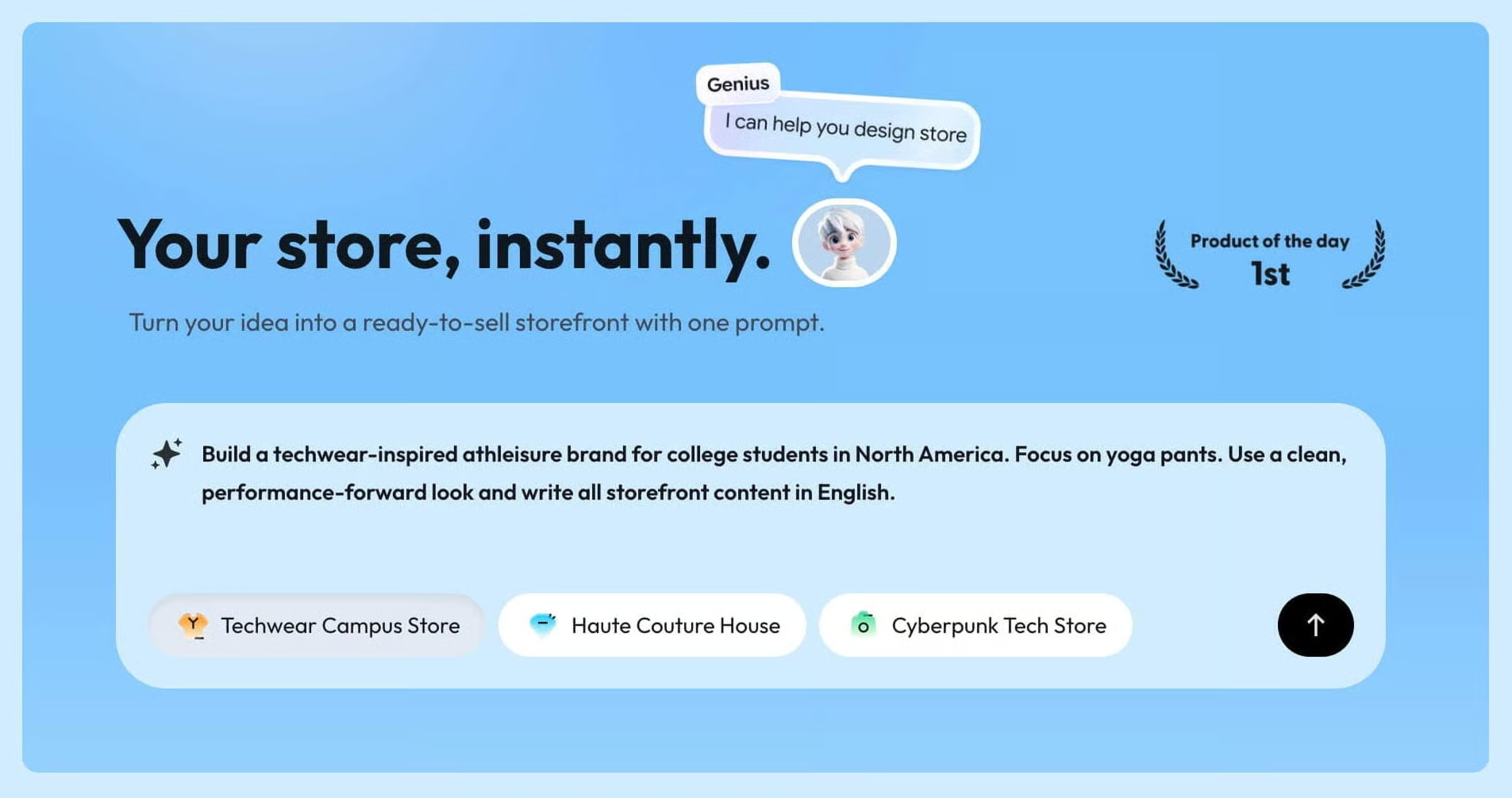
1️⃣ Describe Or Remix Your Business Idea: Start by explaining your idea in plain language or remixing a template from the gallery. You can define the audience, product category, and brand style without worrying about technical setup.
2️⃣ Add Products With AI Assistance: Upload a product image or connect with dropshipping suppliers. Genstore’s AI automatically writes high-converting product listings and recommends products likely to perform well, removing guesswork from merchandising.
3️⃣ Let AI Agents Build The Store: Genstore’s agent team handles storefront design, product setup, and SEO automatically. What typically takes weeks is generated in minutes, giving you a fully functional online store.
4️⃣ Refine Design With The Design Agent: If you want changes, instruct the Design Agent to adjust layouts, styles, or branding elements. The site can be rebuilt quickly without manual redesigns.
5️⃣ Launch Marketing With Campaign Agent: Use the Campaign Agent to generate marketing plans, automate outreach, and sell across social media platforms. This connects product, storefront, and promotion into a single system.
The Takeaway
Genstore AI lowers the barrier to starting an online business. By turning ideas into designed stores, product listings, and marketing campaigns through AI agents, it enables faster launches with far less operational friction.
As we prepare more "Growthful" content, we'd love to hear your thoughts on today's edition! Feel free to share this with someone who would appreciate it. 🥰