Stop Over Segmenting Ads
🚀 When you reduce unnecessary complexity, both marketing and design become faster.

Hey there 🧠
Ready for another day of staying ahead of the competition in the Growth race?
Oh and before we go ahead! If your friend sent this to you, be sure to subscribe here! So you don’t miss out on any editions.
In Partnership with Omnisend
150,000 brands run on Omnisend. Now their AI does too.
You're still exporting CSVs, switching tabs, and copy-pasting numbers just to answer "what worked this week?" That's not a workflow.
Omnisend MCP connects your ChatGPT or Claude directly to your live Omnisend account. Ask it real questions, get real answers, and act without ever leaving the conversation.
- Connect the Omnisend MCP server to ChatGPT or Claude
- Paste any prompt into your conversation and watch it pull from live account data
- Say "now do it," and your AI adjusts segments, builds campaigns, fixes what's broken
Omnisend gives you a ready-made prompt library to hit the ground running. From a quick store snapshot to a full monthly executive summary, the prompts are already written for you.
150,000+ brands run on Omnisend, and they're averaging $79 back for every $1 spent.
Switching takes zero effort since Omnisend migrates you for free within 5 days, and your bill drops up to 35%.
Connect your AI and run your first prompt today!
💡 Why Fewer Ad Sets Perform Better In Meta Ads
Most advertisers assume more structure means better performance.
More ad sets, more targeting, more control.
But in reality, that often hurts results.
Here’s what’s really happening.
1️⃣ More Ad Sets Dilute Budget: Splitting your budget across multiple ad sets reduces the effectiveness of each one. Less data per ad set means slower learning and weaker performance.
2️⃣ Data Density Drives Optimization: Meta’s algorithm needs enough events to optimize properly. Spreading conversions across ad sets makes it harder to reach that threshold.
3️⃣ Complexity Creates Illusion Of Control: More segmentation feels strategic, but often leads to overlapping audiences and inefficient spend. Simpler structures perform better.
4️⃣ Targeting Splits Rarely Add Value: Detailed targeting and lookalikes often overlap. Splitting ad sets based on them can result in similar audiences with inconsistent results.
5️⃣ Creative Does The Real Targeting: Instead of over-segmenting audiences, let creative variations attract and filter the right users.
6️⃣ When Splitting Actually Makes Sense: Separate ad sets for remarketing vs prospecting, or when managing a high volume of ads, are valid use cases. Beyond that, most splits are unnecessary.
7️⃣ Campaign Budget Optimization Changes Everything: With CBO enabled, Meta allocates budget dynamically across ad sets. This reduces the need for manual distribution and improves efficiency.
The Takeaway
Better performance does not come from more structure. It comes from better signals. Start simple, consolidate budgets, and only split when there is a clear reason to do so.
💡 How To Build High Quality Websites Without Designing From Scratch
Creating a great website usually requires design skills, tools, and time.
But now, you can shortcut most of that.
Instead of designing from zero, you can start from proven systems.
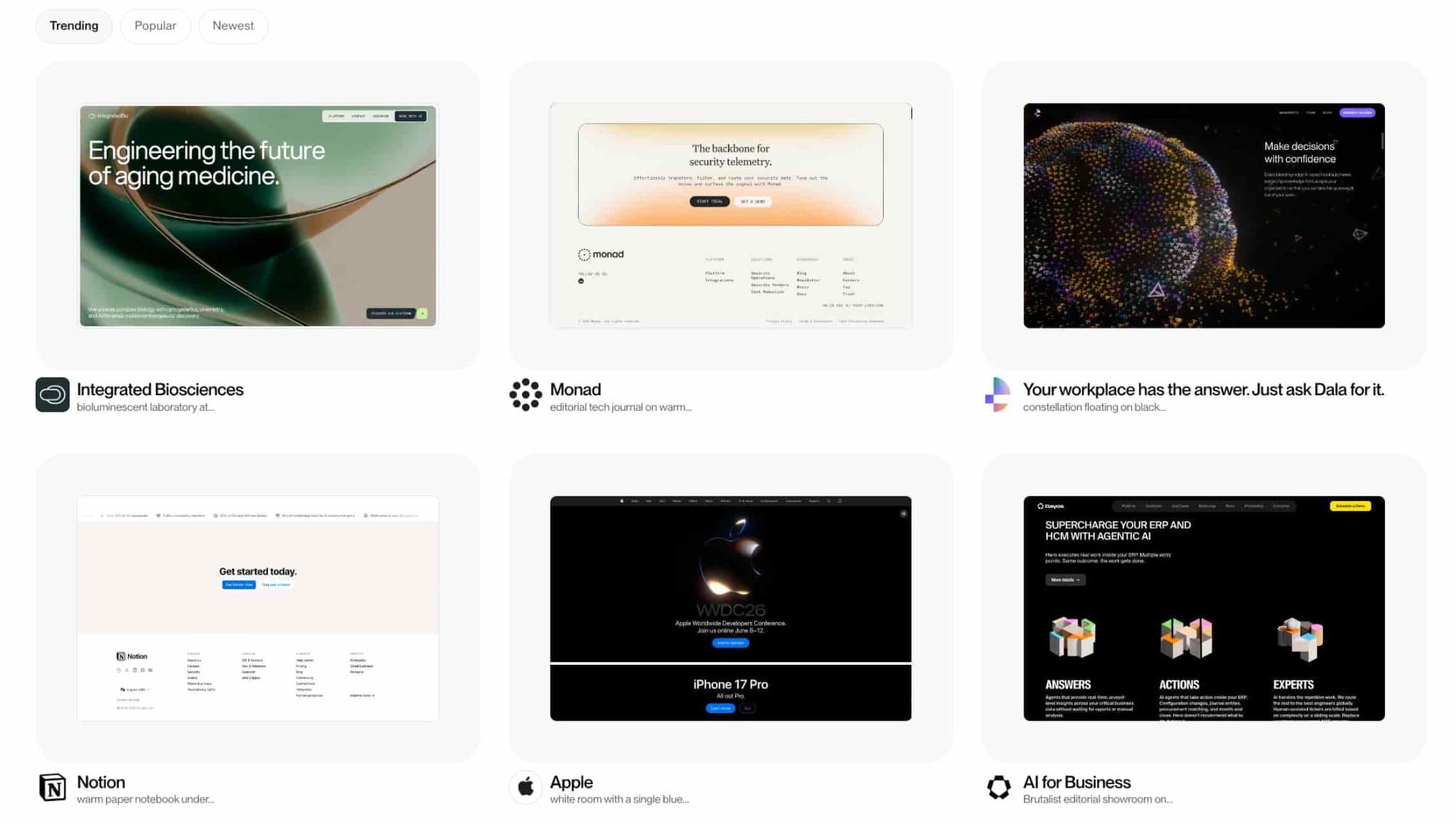
Here’s how it works.
1️⃣ Start With Proven Design Systems: Instead of guessing layouts, you can use pre-built design systems from platforms like Refero. These are based on real, high-performing websites.
2️⃣ Import Design Logic Into Your Workflow: By uploading design system files, you bring structured UI guidelines directly into your AI workflow. This ensures consistency in output.
3️⃣ Use AI To Generate Full Websites: Once the design system is active, you can prompt AI to create complete websites with layouts, sections, and styling aligned to that system.
4️⃣ Maintain Consistency Across Pages: Using a single design system ensures all pages follow the same visual language, improving user experience and brand perception.
5️⃣ Reduce Design Iteration Time: Instead of repeatedly refining layouts, you start with a strong foundation and focus only on customization.
6️⃣ Combine Structure With Flexibility: You can still tweak content, sections, and flow while keeping the core design intact. This balances speed and control.
7️⃣ Build Faster Without Compromising Quality: This approach allows non-designers to create professional-grade interfaces without deep design expertise.
The Takeaway
You don’t need to design everything yourself. Starting from proven design systems and using AI to execute them helps you move from idea to live website faster, with better results.
As we prepare more "Growthful" content, we'd love to hear your thoughts on today's edition! Feel free to share this with someone who would appreciate it. 🥰