Serious brands lose attention
🎯 How humor drives demand, plus how ChatGPT finds the best shopping deals

Hey there 🧠
Ready for another day of staying ahead of the competition in the Growth race?
Oh and before we go ahead! If your friend sent this to you, be sure to subscribe here! So you don’t miss out on any editions.
Partnership with Shipfusion
Fulfillment Is Where Customer Loyalty Is Won or Lost
Think your fulfillment is fine? So did the 5 clear protein powder brands Shipfusion audited.
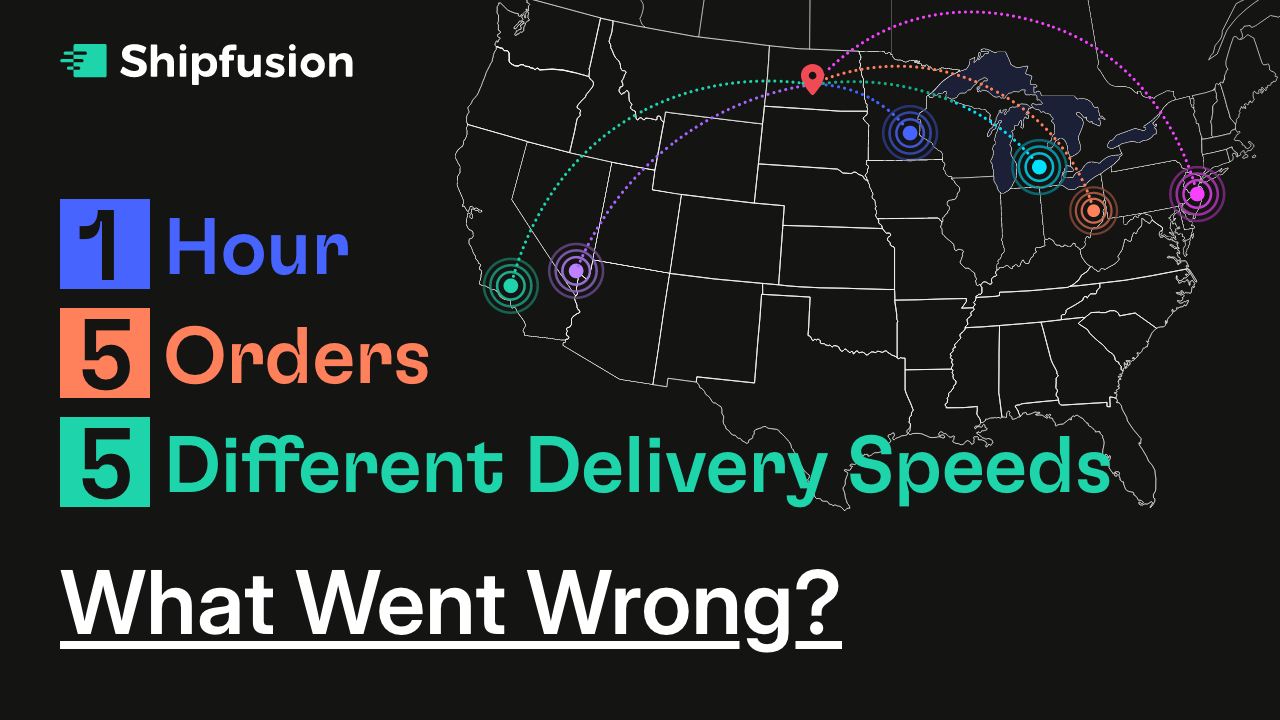
Most brands think churn shows up months later. It doesn’t. It starts right after checkout.
Shipfusion ordered from 5 leading clear protein brands within the same hour. Same cart moment. Completely different delivery outcomes. What broke trust wasn’t the product; it was fulfillment.
This report exposed where brands quietly lose customers:
- How post-checkout fulfillment gaps cause churn before marketing gets a second chance
- Why fulfillment accuracy matters more than speed
- How split shipments confuse customers and inflate support tickets
One order travelled over 2,000 miles, 57% farther than average, adding days and cost that never needed to exist. In habit-forming categories, those delays determine whether customers reorder or disappear.
Whether you’re confident in your customer experience or want a reality check, this report shows how your brand compares.
Download the DTC Delivery Files today!
While rooted in clear protein, these insights apply across supplements, wellness, CPG, and every DTC category.
💡 Why Humor Works In B2B Ads When Most People Think It Shouldn’t
B2B advertising is expected to be serious. Rational. Feature-driven. Safe.
But research shows that assumption is costing brands attention. When humor is used correctly in B2B ads, it does not cheapen the message. It strengthens it.
1️⃣ Product Related Humour Increases Likability: B2B buyers respond more positively when ads use humor that is directly tied to the product. Across multiple experiments, funny ads led to significantly better attitudes toward both the ad and the brand. Humor made brands feel more human without undermining credibility.
2️⃣ Humour Drives Curiosity And Intent: In controlled tests, humorous B2B ads did more than entertain. They increased the likelihood that people would search for more information about the product. The effect was clear. When people enjoyed the ad, they were more open to learning what the product actually does.
3️⃣ Relevance Is The Non-Negotiable Rule: Random jokes do not work. The humor must reinforce the product message. A construction adhesive joking about extreme tightness works because the joke illustrates the benefit. When humor is disconnected from the product, the effect disappears.
4️⃣ Timing And Context Matter: Humor works best when people are not in a rush. When buyers are busy, they prioritize efficiency and rational arguments. In those moments, jokes feel distracting. When cognitive load is lower, humor has room to land and improve recall.
5️⃣ Humor Is For Prospects, Not Existing Customers: The positive effect fades when the audience already uses the product.Humor helps spark interest and warmth early in the relationship. It is less effective as a retention tool once functional expectations are set.
The Takeaway
B2B buyers are still humans. They respond to the same emotional cues as everyone else. When humor is product-related, well-timed, and respectful of context, it increases brand likability, improves recall, and drives curiosity. Serious does not have to mean boring.
💡 How To Find The Best Shopping Deals With ChatGPT
Finding the best deal used to mean opening ten tabs, comparing specs manually, and second-guessing whether you missed a better option somewhere else.
ChatGPT’s Shopping Research mode turns that chaos into a guided decision flow.
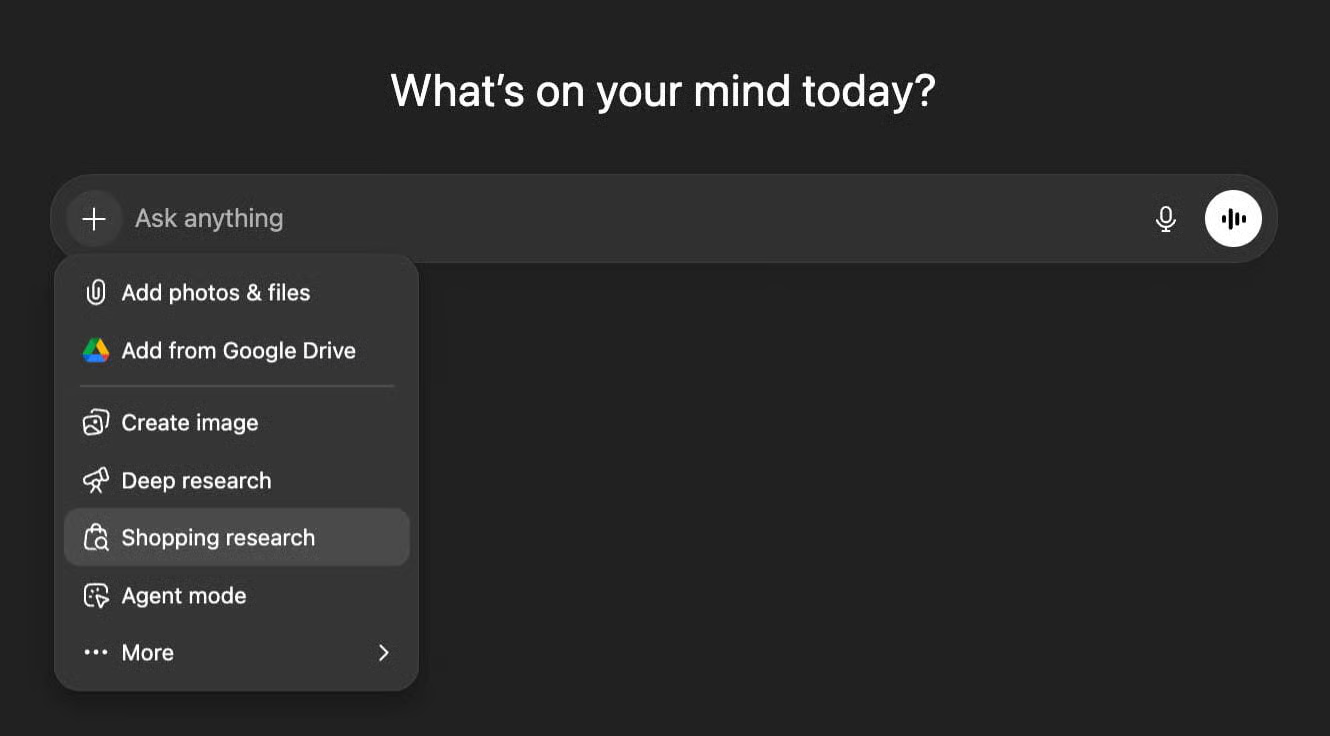
Here is how to use it properly.
1️⃣ Turn On Shopping Research Mode: Sign in to ChatGPT, click the plus button, and enable Shopping Research. This unlocks comparison-focused responses designed specifically for buying decisions, not generic advice.
2️⃣ Describe Your Use Case Clearly: Instead of searching for a product name, describe what you need and why.For example, a laptop under a specific budget for work and light video editing, with priorities like performance, battery life, and build quality. This context matters more than brand names.
3️⃣ Let ChatGPT Compare Real Options: ChatGPT scans current deals across major retailers and compares trade-offs between models. You do not just get a list. You get reasoning. Why is one option better for performance? Why another sacrifice of power for battery life?
4️⃣ Refine With Follow-Up Questions: ChatGPT will ask clarifying questions about budget, specs, preferences, and usage. Each answer sharpens the recommendation. This replaces endless filtering and spec sheet reading.
5️⃣ Make A Confident Final Choice: You receive one best overall pick, plus one or two strong alternatives. From there, you can click through to the retailer and complete your purchase, knowing the trade-offs were already considered.
The Takeaway
Smart shopping is not about finding the cheapest option. It is about finding the best fit.By framing your needs clearly and letting ChatGPT do the comparison work, you save time, reduce decision fatigue, and avoid buyer’s remorse.
As we prepare more "Growthful" content, we'd love to hear your thoughts on today's edition! Feel free to share this with someone who would appreciate it. 🥰