Sell Through Sensory Cues
🧠 You make customers feel the product, but lose them at checkout with small friction points.

Hey there 🧠
Ready for another day of staying ahead of the competition in the Growth race?
Oh and before we go ahead! If your friend sent this to you, be sure to subscribe here! So you don’t miss out on any editions.
In Partnership with AirOps
What 400+ Sites Reveal About Surviving Google's AI Overviews
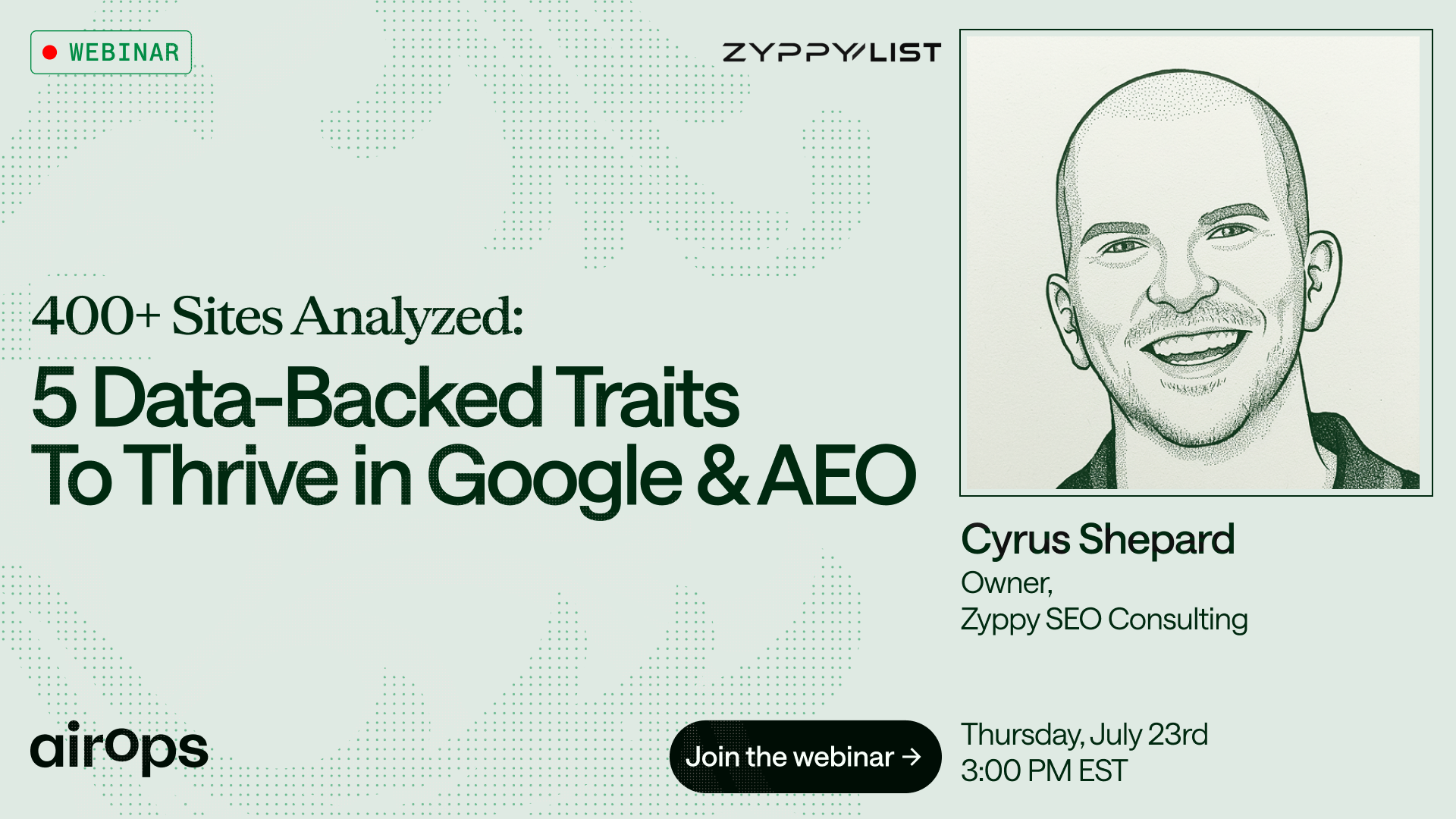
Everyone's bracing for Google Zero. Cyrus Shepard studied 400+ sites and found the ones still growing share five specific traits.
Zero-click search is real. The "SEO is dead" takes are not the full story.
Cyrus mapped what's actually driving organic growth right now, plus the 17 content types most likely to survive Google Zero.
On July 23rd, AirOps is hosting Cyrus for a practical session on what every content team is trying to decide: what to keep investing in, what to rethink, and where AI actually helps.
You'll walk away with:
- The five traits behind sites still growing in Google
- Which content formats still earn their keep, and which are getting harder to justify
- How to turn proprietary assets you already own into content
- Where AI fits now: what to stop producing faster, what to build instead
This webinar is built for everyone, from SEO and content leaders to content directors and growth teams.
Can't make it live? Register anyway and get the recording in your inbox within 24 hours.
💡 Why Your Brain Can Feel Products That Aren’t There
You don’t need to touch, taste, or smell something to experience it.
Your brain can simulate it.
That’s the power of Phantom Senses.
Here’s how it works.
1️⃣ The Brain Simulates Sensory Experiences: When you read or see something vivid, your brain activates sensory regions as if the experience is real. This creates a mental version of touch, taste, or smell.
2️⃣ Words Can Trigger Physical Reactions: Descriptive language like “crispy,” “silky,” or “zesty” activates sensory imagination. This makes products feel more real without physical interaction.
3️⃣ Visual Cues Drive Mental Interaction: Seeing a product in a relatable context helps users imagine using it. The brain fills in the missing sensory details automatically.
4️⃣ Sell Experiences, Not Just Features (Otherland): Otherland sells candles without letting customers smell them. Instead, it uses evocative names and rich visuals to create a mental scent experience.
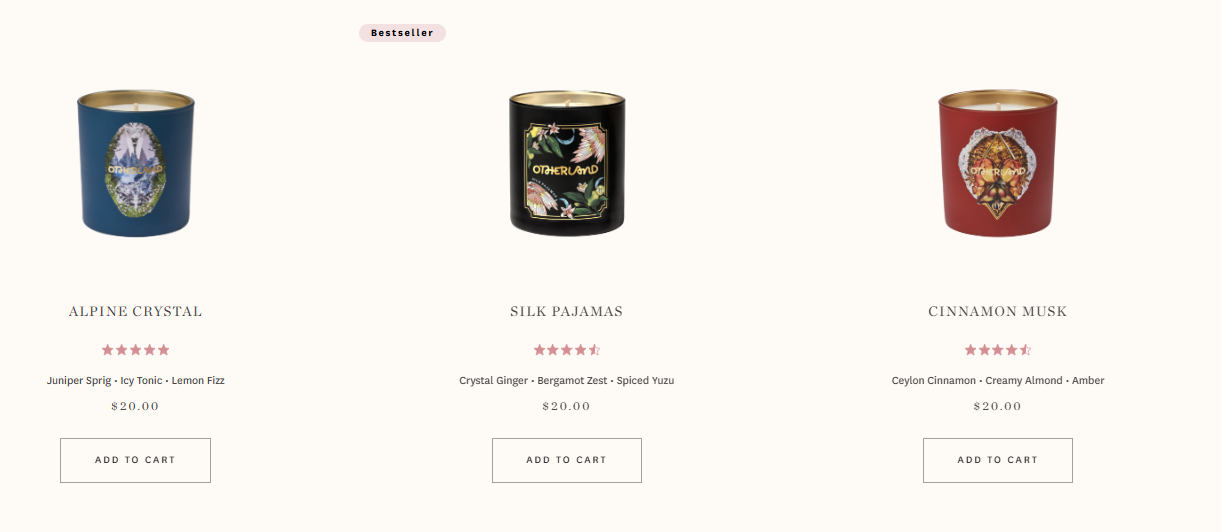
This allows customers to “feel” the product before buying, driving repeat purchases.
5️⃣ Simulated Usage Increases Conversion (Trainual): Interactive demos let users experience products virtually. Trainual saw significant conversion lifts by allowing users to click and explore instead of just watching.
This creates a sense of ownership before actual use.
6️⃣ Removing Sensory Cues Reduces Impact (Tropicana): Tropicana’s original packaging showed an orange with a straw, triggering a mental taste experience.
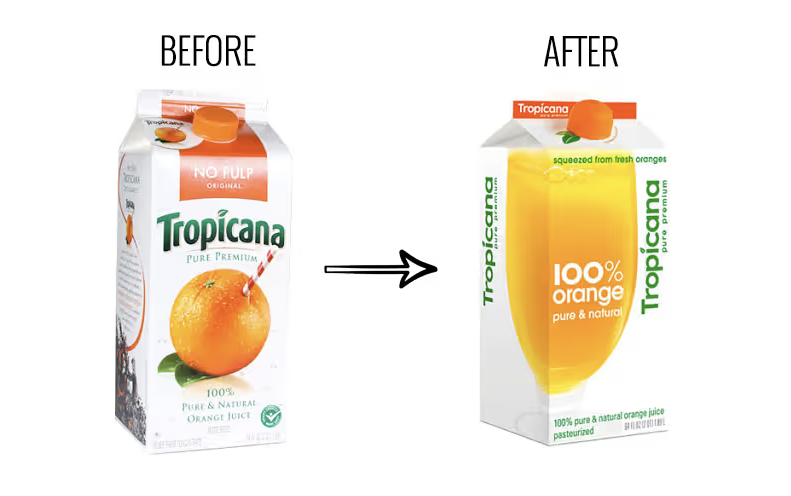
When they removed it, the sensory cue disappeared and sales dropped significantly, showing how powerful these triggers are.
7️⃣ Sensory Design Shapes Perception: Small cues like imagery, wording, and interaction design influence how real a product feels, even in a digital environment.
The Takeaway
People don’t need the real product to feel it. They need the right cues. The more vividly you trigger the senses, the more real your product becomes in their mind. And that feeling drives decisions.
💡 Why Shoppers Abandon Carts At The Last Step
Most brands think the hardest part is getting customers to add items to cart.
It’s not.
The real drop happens right before payment.
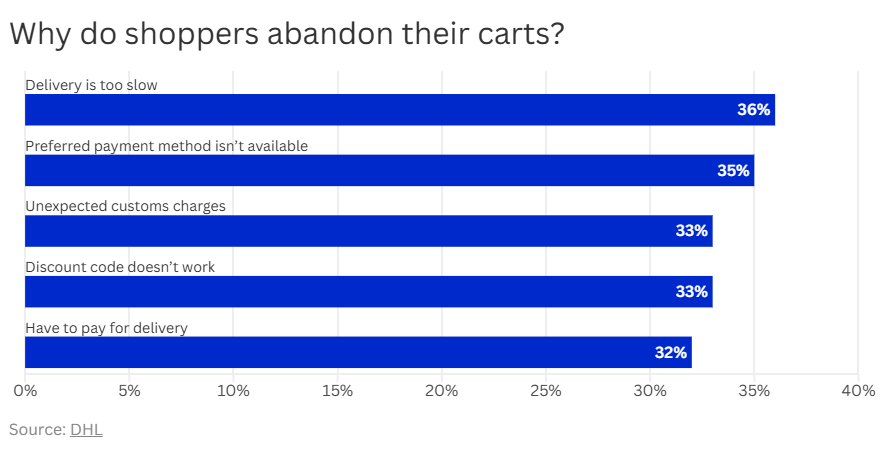
Here’s what’s causing it.
1️⃣ Delivery Speed Breaks The Decision: Customers expect fast fulfillment. When delivery timelines feel too long, the excitement of the purchase fades instantly.
2️⃣ Payment Friction Stops Conversion: If preferred payment methods are missing, customers hesitate or abandon the purchase altogether. Convenience matters at this stage.
3️⃣ Hidden Costs Destroy Trust: Unexpected charges like shipping fees or customs costs create a negative surprise. This breaks the trust built earlier in the journey.
4️⃣ Checkout Is Where Expectations Collide: By the time users reach checkout, they have already decided to buy. Any friction here feels like a disruption, not a consideration.
5️⃣ Transparency Reduces Drop-Off: Showing delivery timelines and total costs early helps set expectations. Customers are less likely to abandon when there are no surprises.
6️⃣ Friction Matters More Than Product: At this stage, the product is not the problem. The experience of buying it is.
7️⃣ Small Improvements Create Big Gains: Fixing payment options, clarity, and delivery visibility can significantly improve conversion rates without changing the product itself.
The Takeaway
Cart abandonment is not about losing interest. It is about losing trust at the final step. The smoother and more transparent your checkout, the higher your chances of conversion.
As we prepare more "Growthful" content, we'd love to hear your thoughts on today's edition! Feel free to share this with someone who would appreciate it. 🥰