Sell Identity Not Just Products
🚀 When people avoid products that feel “not them,” AI summaries shape those perceptions before they even engage.

Hey there 🧠
Ready for another day of staying ahead of the competition in the Growth race?
Oh and before we go ahead! If your friend sent this to you, be sure to subscribe here! So you don’t miss out on any editions.
Partnership with PrettyDamnQucik
Your Checkout Has Issues. It Just Won't Tell You.
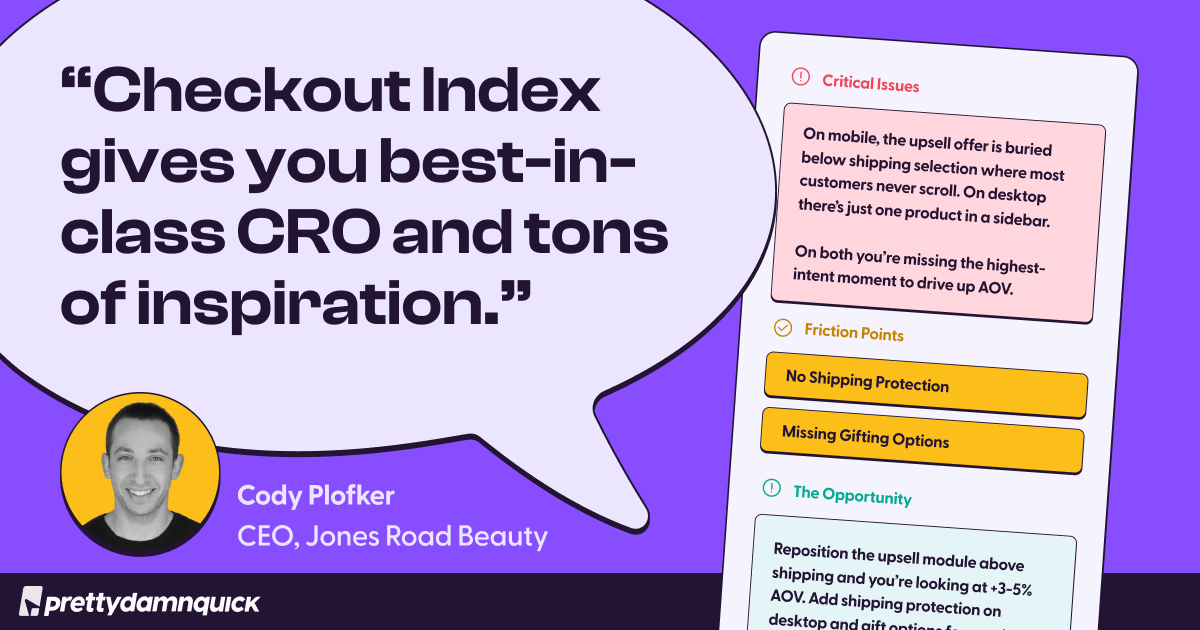
Most checkout tools tell you your CVR. Checkout Index tells you why it's leaking and exactly where to fix it.
Jones Road Beauty ran their checkout through Checkout Index, expecting nothing. They found one critical issue and two friction points they'd completely missed, including upsells buried so deep in the flow that customers couldn't act on them.
Checkout Index projected a 3-5% AOV lift from one placement change.
That's the thing about checkout. The leaks are quiet. Shipping options that overlap so customers won't upgrade. Upsells invisible on mobile. Progress bars are showing the wrong threshold. None of it trips an alarm. All of it costs you.
Checkout Index benchmarks your store against millions of orders across 500+ brands.
Enter your URL, and in 60 seconds, you get a personalized score and projected revenue impact.
No install. No demo call. Just a URL.
💡 Why People Reject Products That Feel “Not Them”
You have probably avoided buying something not because it was bad, but because it felt like it did not fit who you are. That reaction is not random. It is driven by identity threat, where people distance themselves from products that challenge how they see themselves. This effect is subtle, but it has a powerful impact on buying decisions.
Here’s how it works and how brands use it.
1️⃣ People Avoid Identity Mismatch:
When a product feels too “mom-coded” or “try-hard,” people reject it to protect their self-image. The product is not the problem, the identity signal is.
2️⃣ Threat Changes Perception Instantly:
Research shows that when identity is challenged, people rate related products more negatively. The same product can feel different depending on how it aligns with identity.
3️⃣ Sell The Identity Upgrade:
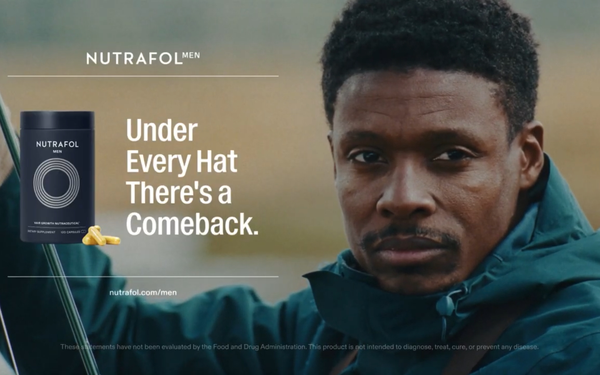
Nutrafol’s campaign reframed hair loss as an outdated identity. The product becomes a symbol of moving from avoidance to control, making the purchase feel like progress.
4️⃣ Build Identity Confidence First:
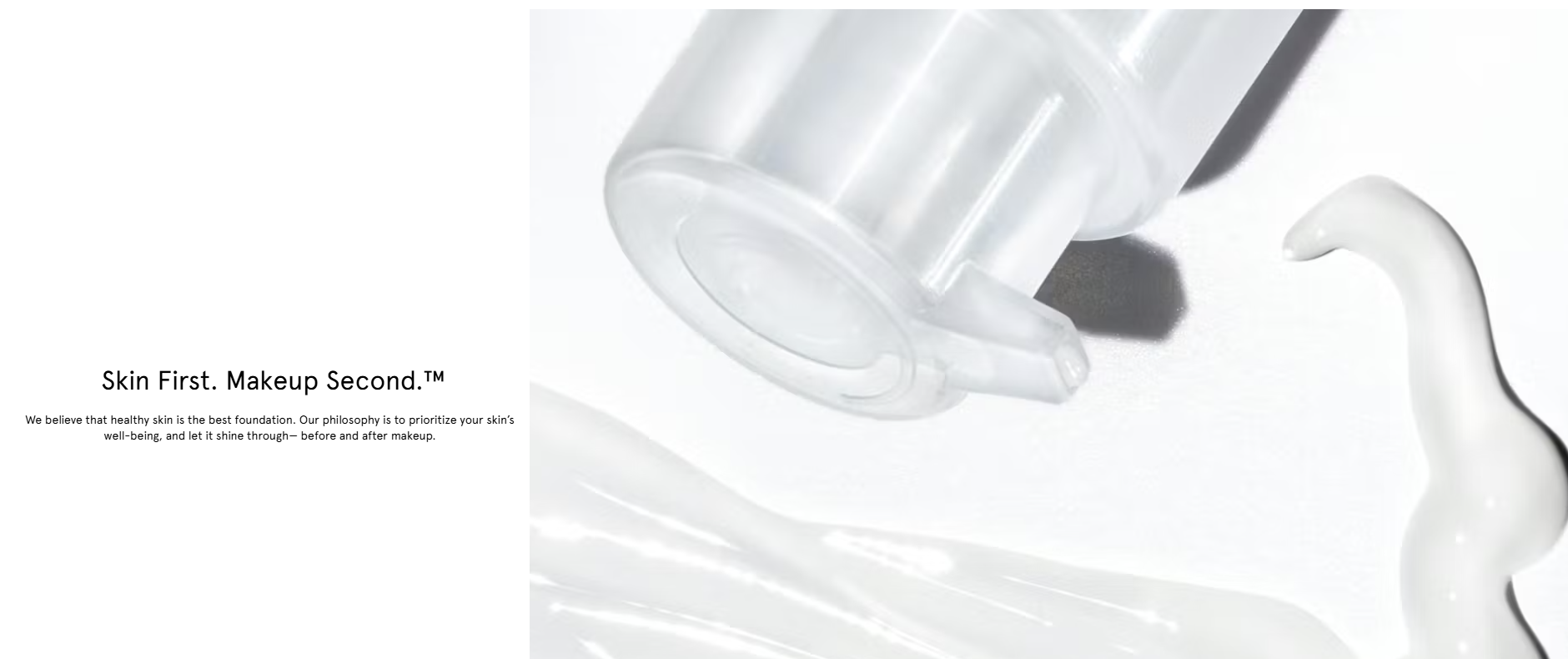
Glossier created loyalty by reinforcing a specific identity around minimalist beauty. When that identity was later challenged, customers stayed loyal because it already felt validated.
5️⃣ Never Attack Your Own Audience:
Peloton’s ad implied women needed fixing, which backfired and hurt sales. When you threaten the identity of your buyers, they disengage instead of converting.

6️⃣ Reinforce Who They Already Are:
Brands like Alo Yoga succeed by affirming their audience’s identity instead of trying to change it. This creates stronger connection and retention.
The Takeaway
People do not just buy products, they protect their identity. When your product aligns with how they see themselves, it feels right. When it challenges that identity incorrectly, it gets rejected instantly. The smartest brands sell who their customers want to be, without making them feel wrong about who they are today.
💡 Why Your Content Is Getting Skipped By AI Users
People are no longer reading everything. They are asking AI to do it for them. Instead of clicking through articles and scanning pages, users want quick answers, clear summaries, and direct comparisons. This shift is changing how content gets consumed and which pieces actually get noticed.
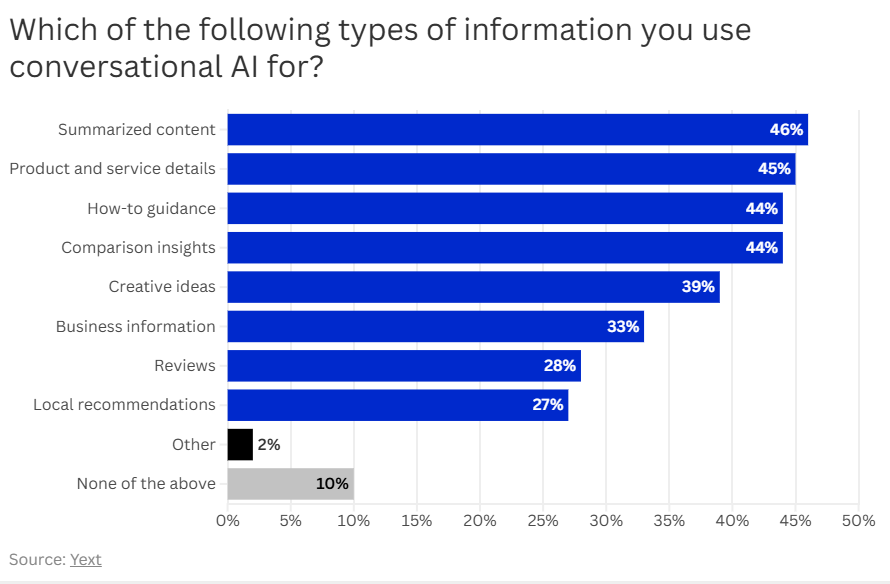
Here’s how users are using conversational AI today.
1️⃣ Users Want Summaries First:
Around 46% of users rely on AI to summarize content. Long articles without clear takeaways are often ignored completely.
2️⃣ AI Is The New Buying Assistant:
45% use AI to understand products and services, while 44% rely on it for comparisons. This makes AI the first step in decision making.
3️⃣ Idea Generation Is Growing Fast:
About 39% turn to AI for creative ideas, reducing the need to brainstorm from scratch.
4️⃣ Users Prefer The Gist Over Depth:
People want key points quickly instead of reading full articles. If your content is not easy to summarize, it loses visibility.
5️⃣ Structure Determines Visibility:
Clear headings, bullet points, and summaries make it easier for AI to extract and reference your content.
6️⃣ TLDR Sections Increase Reach:
Adding short summaries at the top helps both users and AI systems understand your content faster, improving chances of being cited.
The Takeaway
Content is no longer just written for readers, it is written for systems that summarize it. If your content cannot be quickly understood, it will not be surfaced. Clarity and structure now matter as much as depth.
As we prepare more "Growthful" content, we'd love to hear your thoughts on today's edition! Feel free to share this with someone who would appreciate it. 🥰