Positioning Beats Product Quality
🚀 When pricing psychology improves sales, honest feedback improves retention.

Hey there 🧠
Ready for another day of staying ahead of the competition in the Growth race?
Oh and before we go ahead! If your friend sent this to you, be sure to subscribe here! So you don’t miss out on any editions.
In Partnership with The Shift
Stop Reading About AI. Start Getting Results From It.
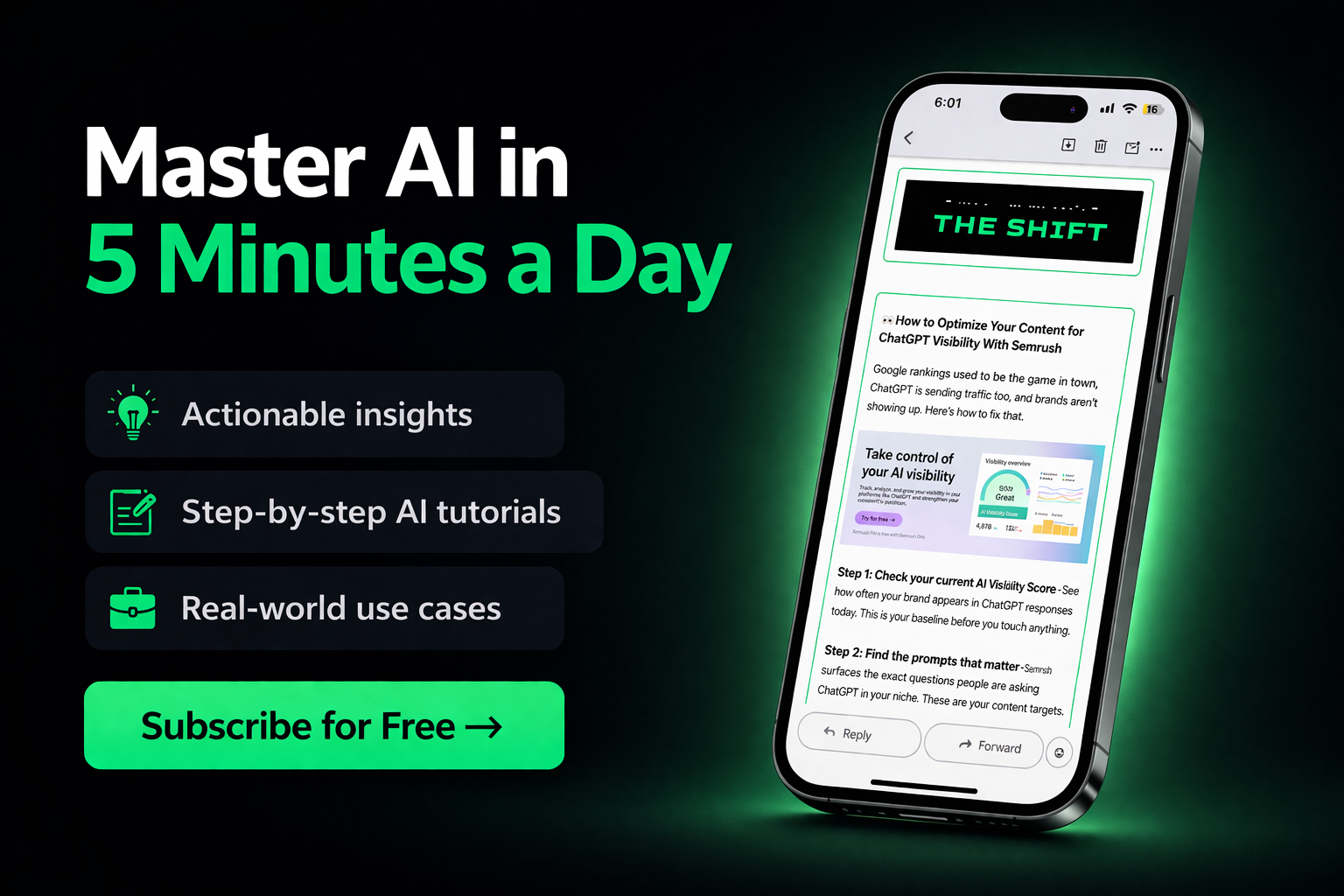
AI is everywhere, but practical, actionable ways to use it are really hard to find.
The Shift fixes this with a focus on a single topic per edition. A real problem AI can solve today.
You’ll see real examples, short workflows, and proven prompts that help you work faster, think better, and automate intelligently under 5 minutes a day.
Once you subscribe, you get access to 3,000+ curated AI tools and 1000+ prompts, so nothing stays theoretical.
If you want AI to work for you in real, practical ways, not just ideas, you’ll love The Shift.
💡 Why Customers Choose The Middle Option
When people are given multiple choices, they like to believe they are making rational decisions. But in reality, most decisions are influenced by how options are framed.
That’s the Compromise Effect.
We naturally avoid extremes and gravitate toward the middle option because it feels safer and more justifiable.
Here’s how to use it effectively.
1️⃣ Design Pricing So The Middle Feels Like The Smart Choice: Plausible Analytics structures its pricing across three tiers. The lowest feels too limited for serious use, while the highest feels excessive unless you need advanced features. This positions the middle tier as the most logical and balanced option.
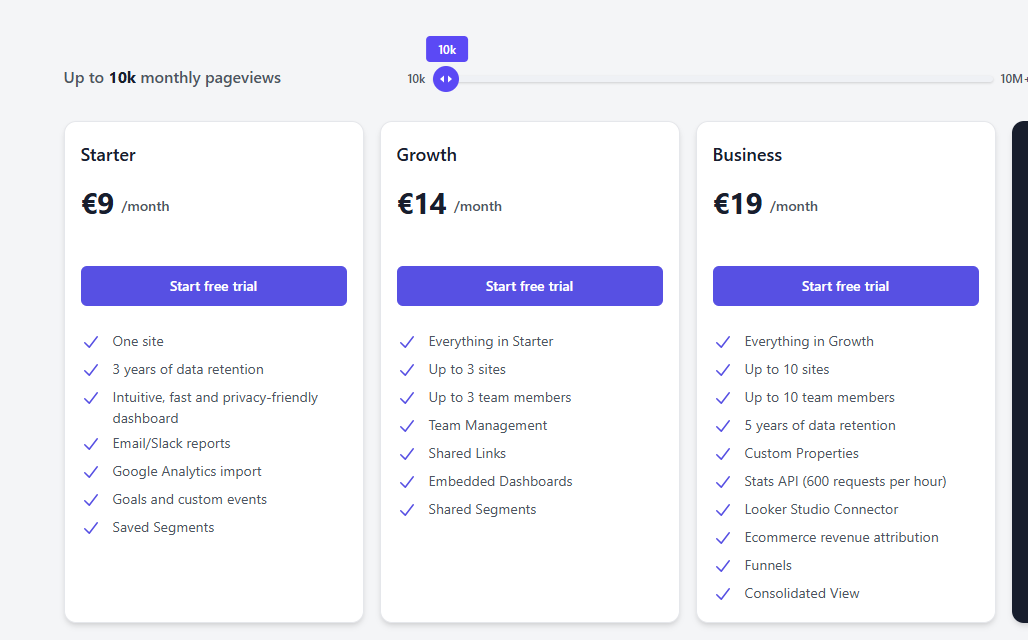
The key is not just having three tiers, but designing the extremes to guide decisions.
2️⃣ Use A Premium Decoy To Anchor Perception: Tuft & Needle offers a high-end mattress that most customers do not buy. Its purpose is not conversion. It exists to make the mid-tier option feel reasonably priced in comparison.
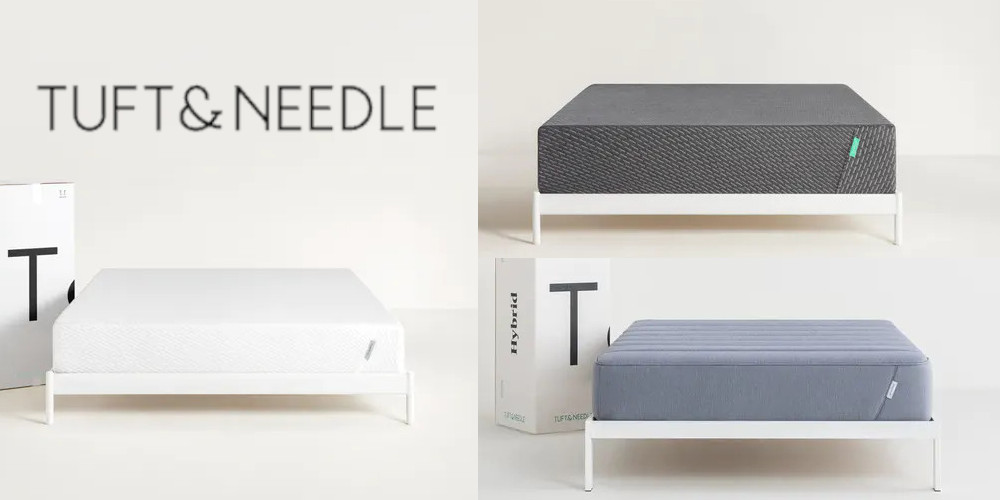
When customers see a significantly higher price, the middle option feels like a smarter financial decision.
3️⃣ Highlight The Middle Option With Social Proof: Hostinger places a “Most Popular” badge on its mid-tier plan. This removes decision friction by signaling that others have already chosen this option.
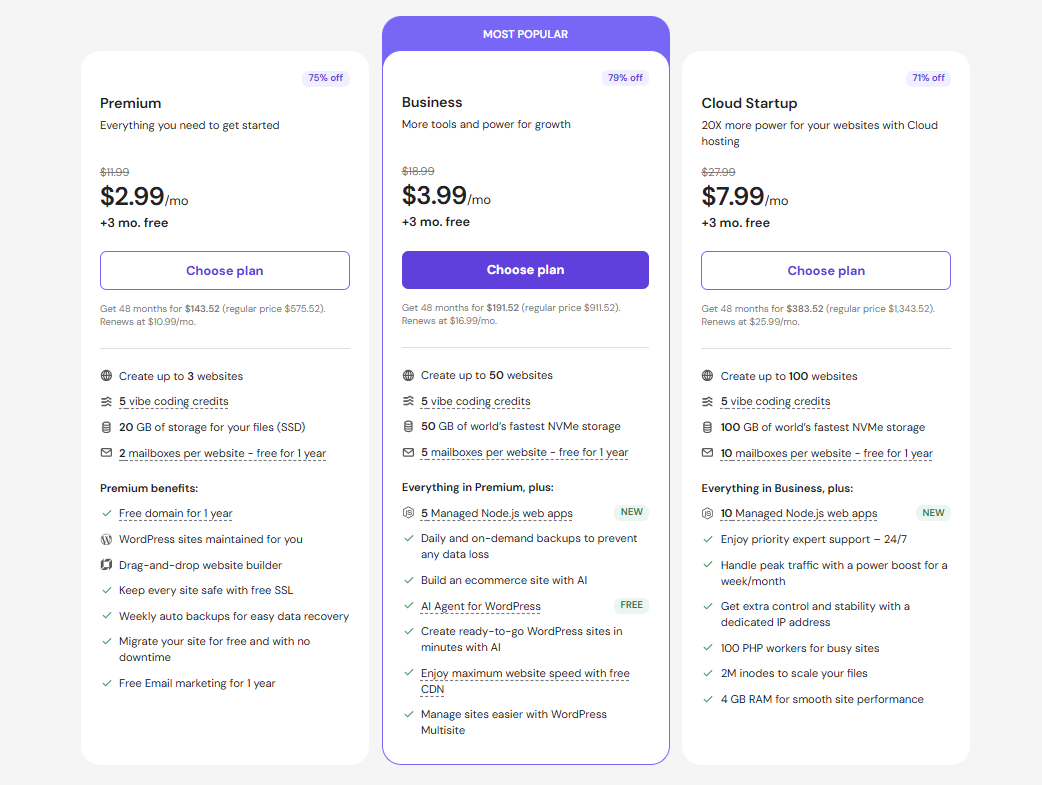
Instead of comparing features, buyers follow the crowd and choose the safer option.
4️⃣ Extremes Create Psychological Anchors: The cheapest option feels risky or insufficient. The most expensive feels excessive. The middle becomes the “safe” zone where people feel comfortable committing.
5️⃣ Buyers Choose Position, Not Product: Customers are not just choosing what to buy. They are choosing how they want to feel about their decision. The middle option feels balanced, responsible, and defensible.
6️⃣ Too Few Options Limit Conversions: If you only offer two choices, you remove the psychological anchor that drives middle selection. This reduces your ability to guide decisions.
7️⃣ Structure Drives Decision Making: How you present options matters more than the options themselves. The right structure nudges customers toward the outcome you want.
The Takeaway
Customers do not always choose the best option. They choose the safest one. By structuring your pricing and offers correctly, you can guide them toward the option that feels most reasonable, and most profitable for you.
💡 Why Agencies Think They’re Winning (But Clients Don’t)
Most agencies believe they are doing a great job. Campaigns are running, reports are sent, and there are no major complaints.
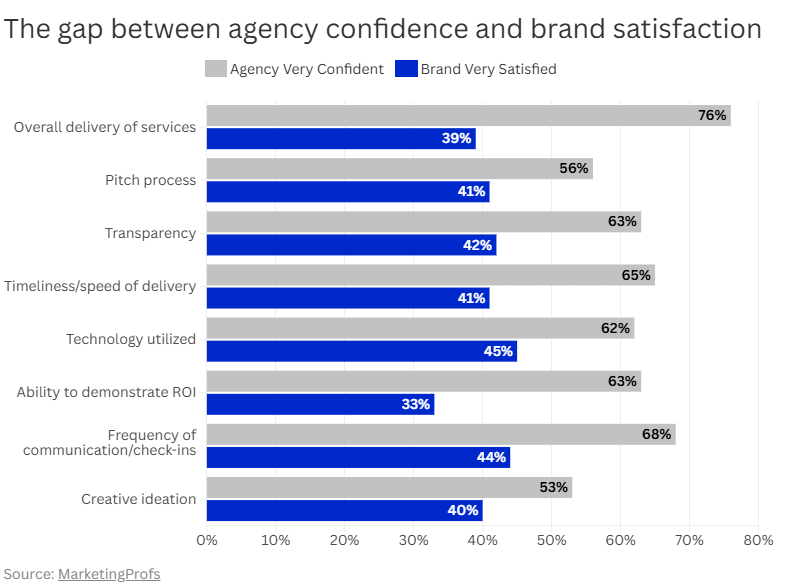
But that silence can be misleading.
Here’s what’s really happening.
1️⃣ Confidence Does Not Equal Client Satisfaction: A large majority of agencies feel confident in their delivery. But far fewer clients actually feel highly satisfied. This gap shows that internal perception does not match external reality.
2️⃣ Silence Is Misinterpreted As Approval: Many agencies assume that if clients are not complaining, everything is fine. In reality, silence often means disengagement or quiet dissatisfaction.
3️⃣ Communication Feels Different On Both Sides: Agencies believe they are communicating frequently and transparently. Clients often feel the opposite. This mismatch creates frustration over time.
4️⃣ Transparency Is Overestimated Internally: What agencies consider clear reporting may still feel vague or insufficient to clients. Expectations around visibility are often higher than assumed.
5️⃣ Creative Work Is Not The Main Issue: Even in areas like ideation, where the gap is smaller, agencies still rate themselves higher. This shows the problem is not just output quality, but perception.
6️⃣ The Perception Gap Leads To Sudden Churn: Because dissatisfaction is not always expressed openly, clients may leave without warning. This creates unexpected churn despite “good performance.”
7️⃣ Feedback Is The Only Reliable Signal: Without structured feedback, agencies operate on assumptions. Regular input from clients is necessary to align perception with reality.
The Takeaway
The biggest risk is not poor performance. It is believing you are performing well when your clients do not feel the same. The only way to close that gap is to ask directly and listen carefully.
As we prepare more "Growthful" content, we'd love to hear your thoughts on today's edition! Feel free to share this with someone who would appreciate it. 🥰