Names Increase Every Order
🚀 Learn the psychology behind bigger orders, then discover when your buyers are paying the most attention.

Hey there 🧠
Ready for another day of staying ahead of the competition in the Growth race?
Oh and before we go ahead! If your friend sent this to you, be sure to subscribe here! So you don’t miss out on any editions.
In Partnership with Top Provider
Make Payment Processors Compete For Your Business - On Your Terms
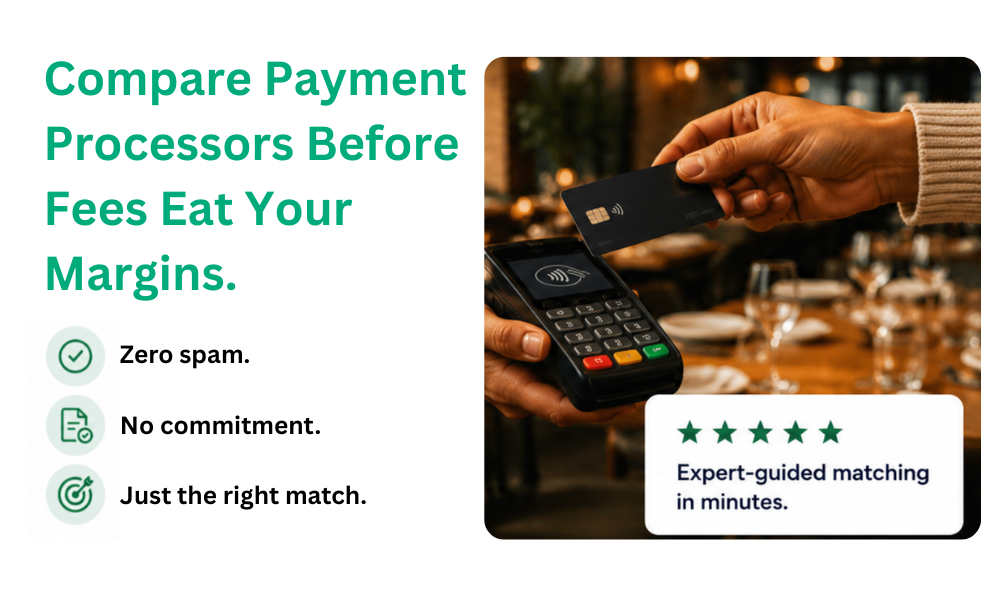
Most businesses accept whatever rate their payment processor offers. They sign a contract, absorb the fees, and assume that's just the cost of doing business. It isn't.
Processing rates, monthly minimums, chargeback fees, PCI compliance costs: every one of these is negotiable when vendors are competing for your business instead of the other way around.
Top Provider puts you in control. Tell them what you process, how you process it, and what matters most. They match you with processors who want to earn your business.
You compare. You decide. You win. No cold calls. No pressure. Just providers competing on your terms with Top Provider.
Compare Payment Processors For Your Business with Top Provider.
💡 Why Calling Customers By Name Boosts Sales
Using a customer's name isn't just good manners.
Research shows it can increase spending, improve satisfaction, and make customers far more receptive to upsells.
The secret isn't using their name more often. It's using it naturally.
Here's what the research found.
1️⃣ Names Increase Spending Customers who were addressed by name spent 17.3% more per order, while upsell acceptance more than doubled. Customer satisfaction also increased significantly.
2️⃣ Timing Matters More Than Frequency Using a customer's name naturally during the conversation improved results. Using it only while making an upsell offer removed the benefit because it felt like a sales tactic.
3️⃣ Introduce Yourself First The effect became even stronger when employees introduced themselves before asking for the customer's name. It created a more personal and genuine interaction.
4️⃣ Don't Overuse Names Using a customer's name occasionally improved satisfaction. Repeating it in nearly every sentence had the opposite effect, making conversations feel awkward and scripted.
5️⃣ Know When Not To Use It In situations where customers value privacy, such as pharmacies or sensitive purchases, using their name can make them uncomfortable and reduce the positive effect.
Why It Works
Hearing our name makes us feel recognized as a person rather than just another transaction. That sense of personal attention builds trust, increases satisfaction, and makes customers naturally more receptive to recommendations.
👀 Real-Life Example (Australian Restaurant Study)
Researchers from Monash University found that restaurant customers who were addressed by name spent more, accepted significantly more upsell offers, and reported higher satisfaction than those who weren't.
The Takeaway
Personalization isn't always about technology. Sometimes, using a customer's name at the right moment is one of the simplest and most profitable ways to improve the customer experience.
💡 B2B Buyers Never Switch Off
Think your buyers stop engaging with business content after work?
Think again.
Research shows B2B decision-makers actively consume industry content during evenings, weekends, and personal time, creating more opportunities to reach them than many marketers realize.
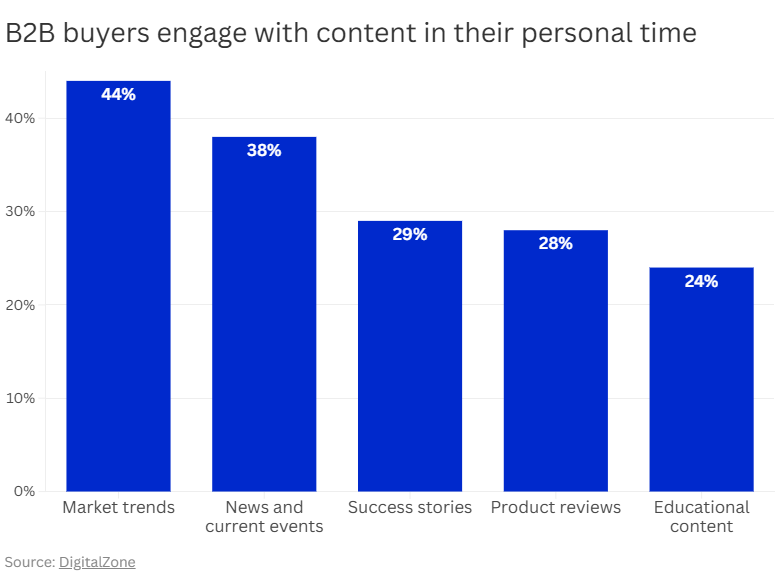
Here's what the data reveals.
1️⃣ Market Trends Lead Around 44% of B2B buyers spend their personal time following market trends, making industry insights one of the most valuable content formats.
2️⃣ News Still Matters Approximately 38% keep up with business news and current events outside work, showing that buyers remain professionally curious long after office hours.
3️⃣ Social Proof Builds Trust Success stories and product reviews continue to influence buying decisions, with buyers actively consuming both during their own time.
4️⃣ Education Still Wins Nearly 24% of buyers willingly consume educational content outside work, but only if it's engaging enough to compete with everything else demanding their attention.
5️⃣ Design For Personal Time Optimize your content for mobile devices and easy consumption. Newsletters, carousels, short podcasts, and bite-sized insights fit naturally into commutes, evenings, and weekends.
Why It Works
The line between professional and personal time has blurred. Buyers no longer separate learning from leisure, making it easier for brands with valuable, easy-to-consume content to stay top of mind throughout the week.
The Takeaway
Your audience doesn't stop learning when the workday ends. Create content people genuinely want to consume during their free time, and you'll reach buyers long before they're ready to purchase.
As we prepare more "Growthful" content, we'd love to hear your thoughts on today's edition! Feel free to share this with someone who would appreciate it. 🥰