Meta Is About To Expose You
💥 Attribution is getting brutally honest, and friction in product pages equals lost revenue.

Hey there 🧠
Ready for another day of staying ahead of the competition in the Growth race?
Oh and before we go ahead! If your friend sent this to you, be sure to subscribe here! So you don’t miss out on any editions.
Partnership with Grapevine
Consumers trust experts. They tolerate brands.
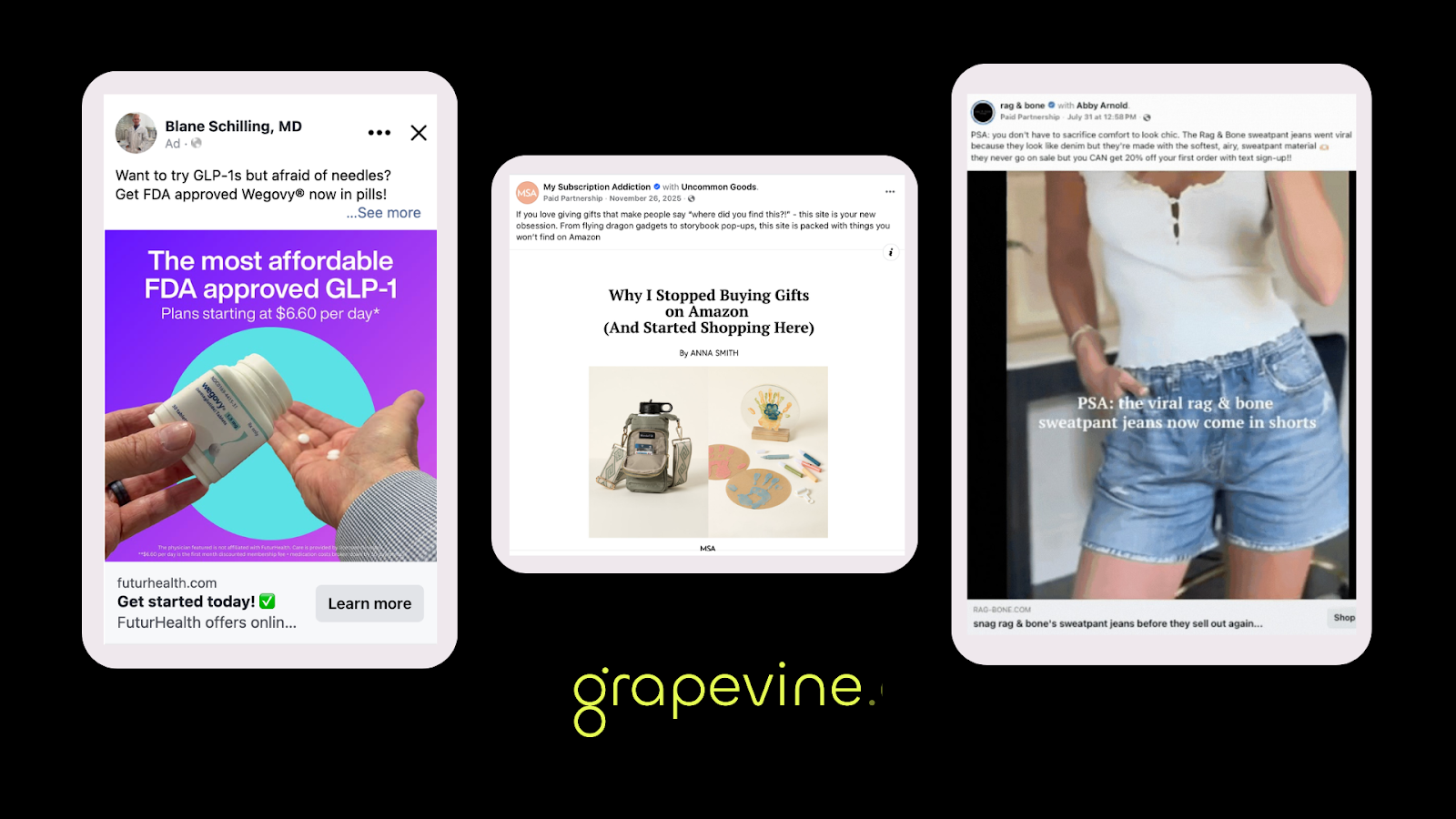
Consumers can smell a brand talking about itself. They scroll past it automatically, it doesn't matter how good the creative is.
What they don't scroll past: a registered dietitian recommending a protein bar. A dermatologist breaking down a skincare routine on camera. A running coach reviewing a shoe mid-run.
Your branded handle is working against you. Not because the creative is bad, but because the source is discounted before anyone reads the first line.
Grapevine runs creator whitelisting and publisher advertorial as one fully managed service. Brief to launch, no platform juggling, no separate agency relationships.
- Nood hit 4× ROAS while scaling spend using whitelisted creator ads
- Honeylove cut CPAs by over 20%, combining creator and publisher handles
- Mathnasium cut Meta CPL by 33% in under 30 days
Grapevine ads outperform branded creative by 25%+ across platforms. Consistently, not occasionally.
👉 Book a free strategy call for your first campaign strategy session - no commitment required.
💡 Your Reports May Look Different With Meta’s New Attribution Changes
Meta has adjusted attribution again. And this time, remarketing metrics may not look as flattering.
If your ROAS has seemed unusually strong, it may be time to reassess how much credit your campaigns truly deserve.
Here is what is changing.
1️⃣ Engage Through Replaces Engaged View: Meta is shifting to “engage-through” attribution. While it still tracks social clicks, the attribution window for engagement has shrunk from seven days to just one. If someone engages with your ad but converts after 24 hours, that action may no longer count in your reports.
2️⃣ Remarketing May Lose Inflated Credit: If your remarketing campaigns benefited from longer attribution windows, expect performance metrics to tighten. Conversions previously attributed to casual engagement may now disappear from reporting.
3️⃣ Use Stricter Attribution For Low Friction Offers: For lead magnets or free downloads, consider switching to 1-day click-only attribution. If someone wants a free asset, they usually act immediately. This setting forces Meta to optimize for direct intent rather than passive engagement.
4️⃣ Breakdown By Attribution Returns: Once fully rolled out, you will be able to distinguish between conversions from direct clicks and those from engagement. This clarity will help separate true performance from inflated attribution.
5️⃣ Leverage Related Media Creatively: Meta’s Related Media feature suggests high-performing creative variations and often reallocates spend toward them. Combining proven visuals into consolidated ads can improve efficiency.
The Takeaway
Meta’s new attribution rules reduce generous crediting and tighten performance visibility. If your remarketing numbers look softer, it may not be underperformance. It may simply be more honest reporting.
💡 Stop Making Shoppers Do The Math
If customers need a calculator to justify your product, you have already introduced friction.
Modern shoppers compare before they commit. If you do not simplify that process, they will open new tabs and likely never return.
Here is what the data says.
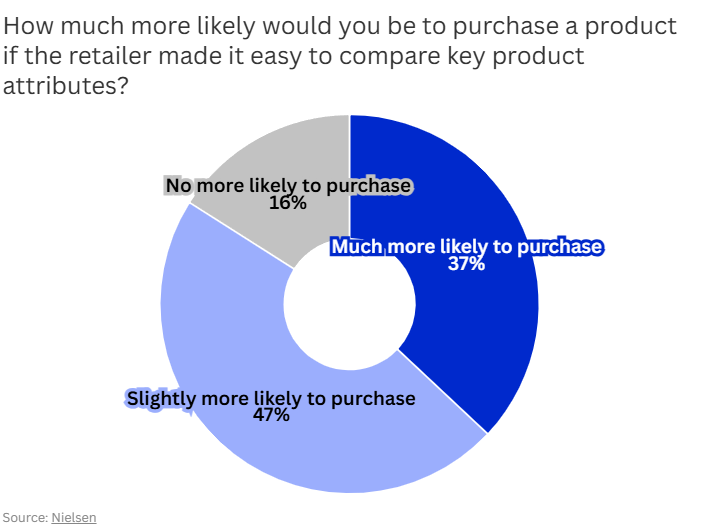
1️⃣ Comparison Drives Conversions: A combined 84% of shoppers are more likely to purchase when retailers make it easy to compare key product attributes. Clarity reduces hesitation.
2️⃣ Better Tools Increase Purchase Intent: 37% say they would be much more likely to buy if comparison tools were improved. That is not marginal. That is material lift.
3️⃣ Friction Kills Momentum: Only 16% said easier comparisons would not impact their likelihood to buy. That means most customers are actively influenced by how easily they can evaluate differences.
4️⃣ Tab Jumping Equals Revenue Loss: When shoppers have to open multiple tabs to compare specs, you are increasing cognitive load. Cognitive load leads to abandonment.
5️⃣ Build Side-by-Side Comparison Into The Page: Include structured “Our Model vs Competitors” sections. Highlight key specs clearly. Keep the evaluation process contained within your ecosystem.
The Takeaway
Information friction becomes purchase friction. The easier you make the comparison, the more confident the buyer feels. Remove the mental math, and you remove a major barrier to conversion.
As we prepare more "Growthful" content, we'd love to hear your thoughts on today's edition! Feel free to share this with someone who would appreciate it. 🥰