It needs to feel good even after the purchase
📈 Shape customer expectations better, then build content that moves buyers to the next step.

Hey there 🧠
Ready for another day of staying ahead of the competition in the Growth race?
Oh and before we go ahead! If your friend sent this to you, be sure to subscribe here! So you don’t miss out on any editions.
In Partnership with Top Provider
Stop Settling, Find The Right Payment Processor For Your Business Today

Not every payment processor is built for your business. Top Provider helps businesses find processors that actually fit how they operate.
A processor that works great for a retail shop may be the wrong fit for a service business, subscription company, or high-volume e-commerce operation.
Rates, contract terms, hardware, and integrations all matter, and what works for one business can create friction for another.
That’s why generic recommendations fall short. The right processor depends on your industry, processing volume, and specific operational needs.
Top Provider matches businesses with payment processors based on real operational fit, not generic rankings or one-size-fits-all recommendations.
Not the biggest brand. The right fit. Find yours today with Top Provider.
Compare Payment Processors For Your Business with Top Provider.
💡 Why Customers Really Buy
Remember buying something because you were convinced it would make you happier?
A few weeks later, it simply became part of your routine.
That's Affective Forecasting, our tendency to predict how future events will make us feel. The problem is, we're usually wrong.
Here's how marketers can use it.
1️⃣ Sell Feelings, Not Features (Corona)

People don't buy products because of technical specifications. They buy the emotions they expect to experience. Corona's "Find Your Beach" campaign barely talks about the beer itself. Instead, it sells the promise of relaxation, escape, and a mental vacation.
2️⃣ Build Anticipation Before Launch (Disney) Research shows people often enjoy looking forward to an experience more than the experience itself. Disney takes advantage of this through countdowns, trip planners, teaser content, and merchandise that builds excitement months before guests arrive.
3️⃣ Remove Purchase Anxiety (Warby Parker & Zappos)
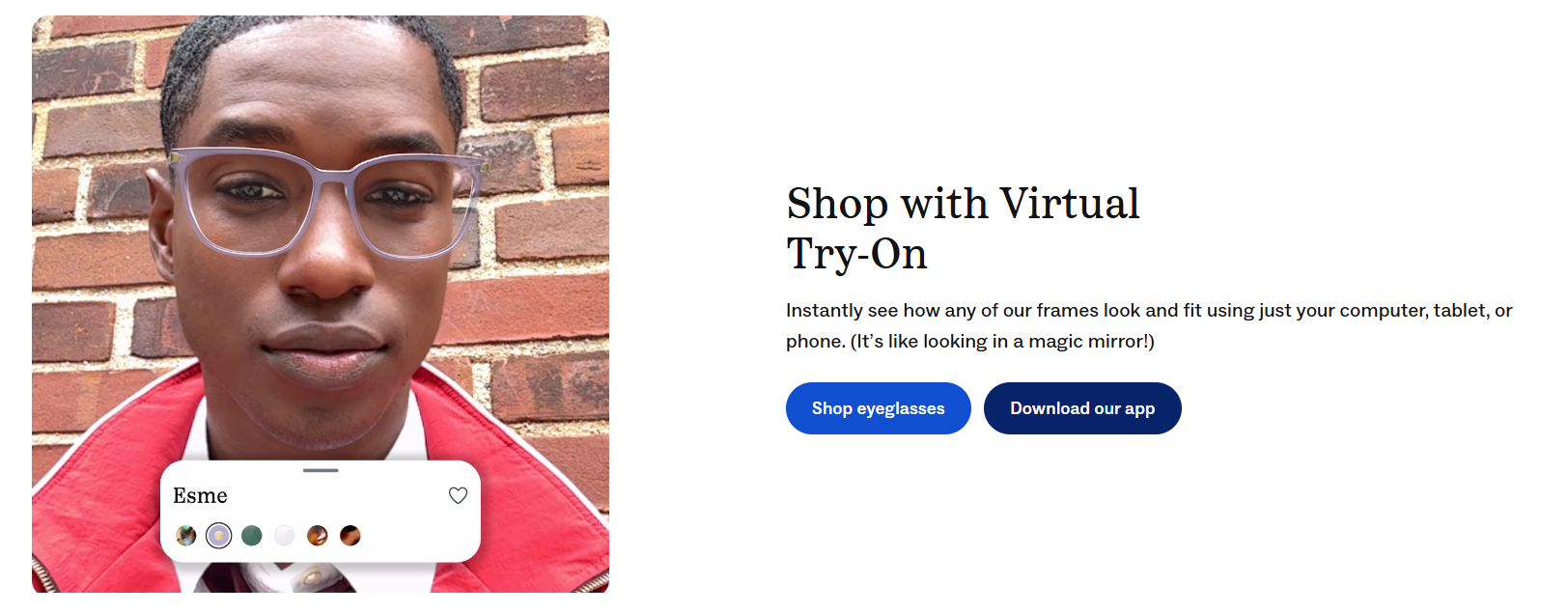
Many shoppers avoid buying because they imagine regretting their decision. Warby Parker reduced that fear with home and virtual try-ons, while Zappos built trust through generous return policies. When customers know they can easily change their minds, buying feels much less risky.
4️⃣ Sell The Future Feeling Customers don't just evaluate what your product does today. They imagine how they'll feel after owning it. The more vividly you help them picture that positive future, the easier it becomes for them to buy.
Why It Works
People naturally overestimate both future happiness and future disappointment. Marketing that amplifies positive emotions while reducing imagined regret aligns with how our brains make purchasing decisions.
The Takeaway
Customers don't buy products. They buy the future feelings they expect those products to create. Shape that emotional expectation, and your marketing becomes far more persuasive.
💡 Why Most B2B Content Fails
Publishing content is easy.
Getting someone to take action after reading it is where most marketers struggle.
Recent research shows that the biggest challenge isn't creating more content; it's creating content that actually drives results.
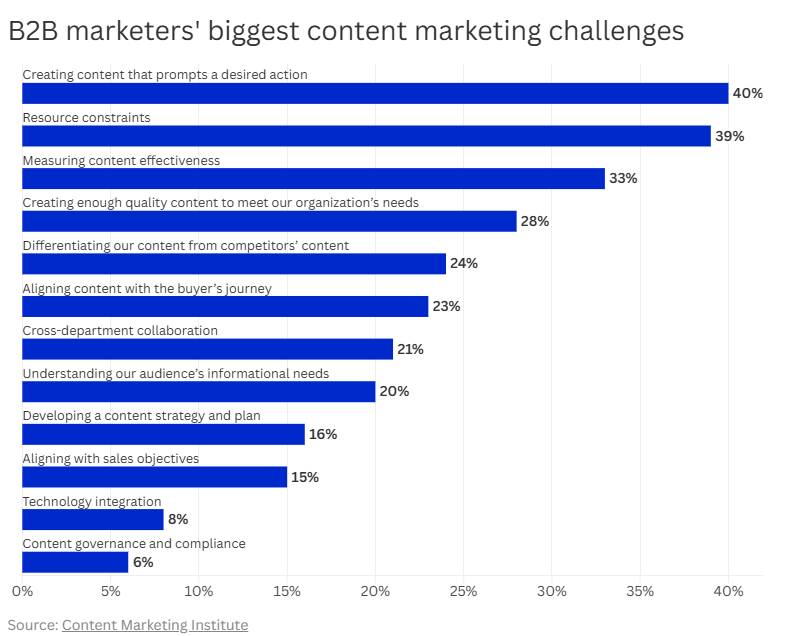
Here's what's holding B2B marketers back.
1️⃣ Content Doesn't Drive Action The biggest challenge for marketers is creating content that encourages readers to take the next step. Getting traffic is only half the battle. Conversions are what matter.
2️⃣ Limited Resources Many teams struggle with tight budgets, limited time, and small teams, making it difficult to consistently produce high-quality content.
3️⃣ Poor Performance Tracking Without measuring what works, it's nearly impossible to improve future content or understand what's generating business results.
4️⃣ Standing Out Is Hard With similar content everywhere, many brands struggle to create something genuinely different and memorable.
5️⃣ Content Misses The Buyer's Journey Many articles fail because they don't match where prospects are in their decision-making process. The right message at the wrong stage rarely converts.
Why It Works
High-performing content is built with a clear objective, a defined audience, and an obvious next step. When every piece moves readers closer to a decision, content becomes a growth engine instead of just another blog post.
The Takeaway
Never publish content without a destination. Every article should naturally guide readers toward a case study, webinar, product demo, or another meaningful next step.
As we prepare more "Growthful" content, we'd love to hear your thoughts on today's edition! Feel free to share this with someone who would appreciate it. 🥰