Humor Builds Better UX
🔍 As AI improves interactions, shrinking research behavior makes positioning more critical

Hey there 🧠
Ready for another day of staying ahead of the competition in the Growth race?
Oh and before we go ahead! If your friend sent this to you, be sure to subscribe here! So you don’t miss out on any editions.
In Partnership with Dreem
Fashion AI that turns one product image into model shots, product shots, and video.
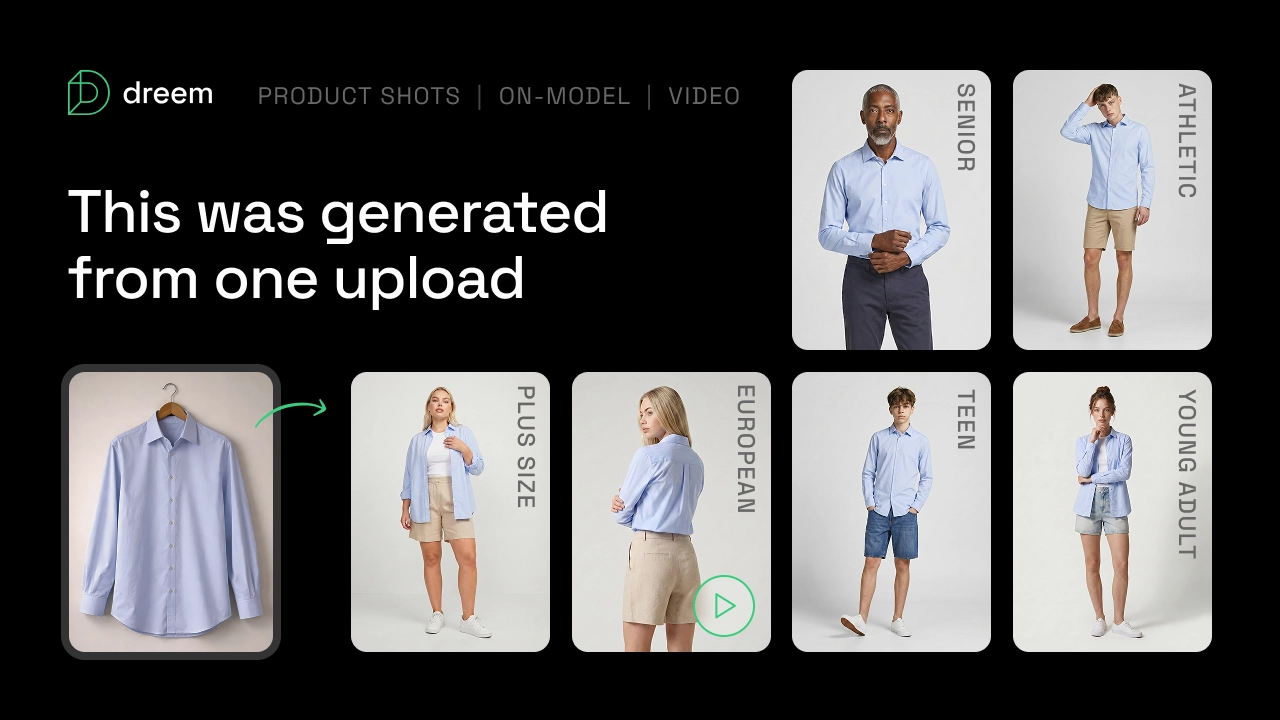
Buyers don't buy clothes. They buy the version of themselves wearing them. When the model on the page doesn't look like the person browsing, the mental picture breaks; they leave. Or they buy, realize it doesn't match, and return it.
Until now, showing your products on diverse models cost more than the conversion lift could justify. So every visitor saw the same model. One body type, one age, one skin tone. One chance to connect.
Dreem changes that.
Upload one product image and get:
- Model shots, product shots, and video from one upload
- 400+ virtual talents across body type, age, and skin tone (or create your own)
- ~$2 per image, matched to each segment
- Works from a phone photo
The person browsing sees themselves in your product. The mental picture holds. They buy. They keep it.
Growth Gen readers get 600 free credits before July 30.
💡 Why Humor Makes People Forgive AI Mistakes
AI is expected to be perfect. Not good. Not reliable. Perfect.
And that’s the problem.
Even when AI gets most things right, people fixate on the few mistakes it makes. That small error suddenly feels bigger than everything it did correctly.
Here’s how to fix that.
1️⃣ People Judge AI More Harshly Than Humans:
A human making small mistakes is seen as normal. But when AI slips, expectations break. This makes even minor errors feel unacceptable.
2️⃣ Small Mistakes Feel Bigger Than Big Wins:
Even if AI performs well most of the time, users remember the errors more clearly. This creates a negative bias in perception.
3️⃣ Self Deprecating Humor Reduces Friction:
When AI acknowledges mistakes with humor, it feels more human and less rigid. This softens the reaction and builds tolerance.
4️⃣ Not All Humor Works The Same:
Light, positive humor helps. But self-deprecating humor works better because it shows awareness and lowers defensiveness.
5️⃣ Tone Matters More Than Explanation:
Long apologies or technical explanations increase frustration. A short, witty response often lands better and diffuses tension quickly.
6️⃣ Severity Determines The Response:
Humor works for small mistakes like wrong recommendations. But for serious issues, it can feel insensitive and inappropriate.
7️⃣ Gratitude Works Better Than Apology:
Saying “thank you for your patience” feels warmer than repeatedly saying “sorry.” It shifts the tone from guilt to appreciation.
The Takeaway
AI does not need to be perfect. It needs to feel human. A little humor in low-stakes moments can turn frustration into forgiveness and make the experience feel more natural.
💡 Why Shoppers Are Researching Less Before Buying
For years, the assumption was simple. More research leads to better decisions. More websites, more reviews, more comparisons.
But that behavior is changing fast.
Shoppers are no longer exploring endlessly. They are narrowing their focus.
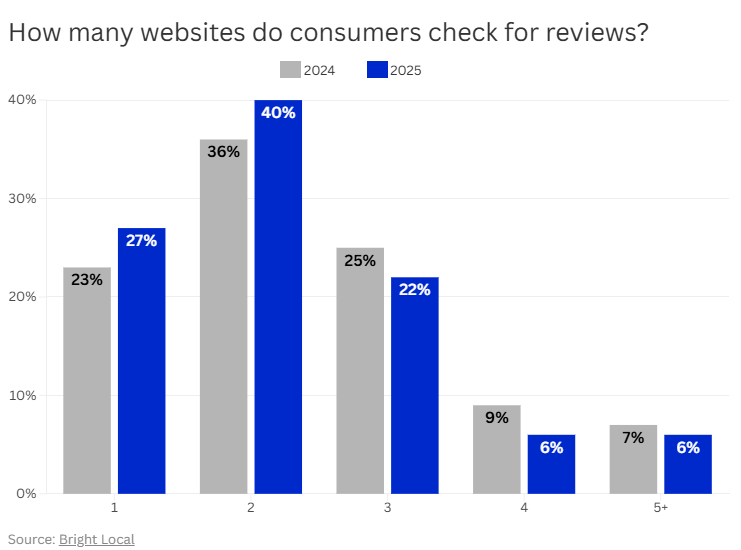
Here’s what’s happening.
1️⃣ Most Buyers Now Check Only Two Sources: The majority of shoppers rely on just one or two platforms for reviews. This has become the new default behavior.
2️⃣ Trust Is Consolidating Around Fewer Platforms: Instead of spreading attention across multiple sites, users are sticking to a few trusted sources where they feel confident in the information.
3️⃣ Research Fatigue Is Driving Simpler Decisions: Too many options create friction. Shoppers are reducing effort by limiting how much they compare before making a choice.
4️⃣ More Research Does Not Mean Better Decisions: At some point, additional information stops adding value. Buyers recognize this and cut their research short.
5️⃣ Visibility On Key Platforms Becomes Critical: If your brand is not present on the top one or two platforms in your category, you are effectively invisible to most buyers.
6️⃣ Spreading Efforts Reduces Impact: Trying to collect reviews across many platforms dilutes your presence. Concentrating efforts on key platforms creates stronger credibility.
7️⃣ Reputation Now Matters More Than Reach: Being visible in the right place matters more than being visible everywhere. Strong presence on fewer platforms drives better results.
The Takeaway
Buyers are not researching less because they are careless. They are optimizing their time. If your brand is not visible where they choose to look, you are not part of the decision at all.
As we prepare more "Growthful" content, we'd love to hear your thoughts on today's edition! Feel free to share this with someone who would appreciate it. 🥰