Guilty By Ad Placement
🧨 One bad ad placement hurts deeply, while your profile leaks leads.

Hey there 🧠
Ready for another day of staying ahead of the competition in the Growth race?
Oh and before we go ahead! If your friend sent this to you, be sure to subscribe here! So you don’t miss out on any editions.
Partnership with Motion
The Highest-Leverage Role in Advertising Right Now
Last year, advertisers spent over $160B on Meta. AI has removed most of the technical edge in media buying. What’s left is creative.
That shift is already separating teams who understand creative systems from those who are still “testing.”
Motion’s Creative Strategy Bootcamp is an 8-week, live program starting March 17. It runs weekly at 1 PM EST, with limited seats to keep the coaching hands-on and the feedback real.
You’ll learn directly from working creative strategists at Calm, Harry’s, Happy Mammoth, Monks, Spacegoods, and more.
Every session is taught live. You’ll get 1:1 coaching on your ads, access to a private community, and leave with portfolio-ready ad wins plus a certificate for LinkedIn.
This isn’t recorded content from six months ago. It’s built for 2026 and delivered in real time by operators doing the work right now.
It’s free because Motion sells software, not courses. No upsells. No hidden pitch.
Once this cohort fills, it’s closed.
Reserve your free spot before March 17
Can’t attend every session live? Register anyway, you will get the recordings within 24 hours.
💡 Why You Should Keep Your Ads Away From Toxic Content
Your brand is judged by its company. And online, company means content.
Research shows that where your ad appears shapes how people feel about you. Cheap reach might look efficient on a spreadsheet, but unsafe placements can quietly erode trust.
Here is what the data reveals.
1️⃣ Guilt By Association Is Real: When ads appeared next to extremist or unsafe content, brand opinion dropped by 19 percent, and trust declined by 18 percent. People instinctively connect brands with their surrounding environment. If your ad appears in a toxic space, users assume alignment.
2️⃣ Reputation Damage Spreads Fast: Even users who only heard about a brand appearing next to unsafe content, without seeing it themselves, showed an 18 percent decline in brand opinion. The perception alone is enough to trigger backlash.
3️⃣ Speed Determines Recovery: If a brand responds immediately after a brand safety issue, trust can rebound by 18 percent. Delay the response by a week, and recovery drops dramatically. Silence amplifies suspicion.
4️⃣ Cheap CPMs Can Be Expensive: Blind programmatic buys increase risk. Prioritize vetted channels, curated placements, and contextual targeting aligned with your brand values. Paying a premium for quality inventory often costs less than repairing damaged trust.
5️⃣ Context Can Change The Rules: For brands with intentionally edgy positioning, the negative impact may shrink if the content matches the tone. But unless your brand thrives on controversy, alignment with unsafe content is rarely worth the gamble.
The Takeaway
Brand safety is not optional. Reputation compounds slowly but erodes quickly. Optimizing for the lowest CPM without contextual control can cost more in lost trust than it saves in media spend.
💡 How To Optimize Your LinkedIn Profile With Gemini
Insights from superhuman.ai
Your LinkedIn profile is not a résumé. It is a conversion page.
If it does not clearly position your value, audience, and offer, you are leaving opportunities on the table. Gemini can help you rebuild it strategically instead of guessing what sounds good.
Here is how to do it.
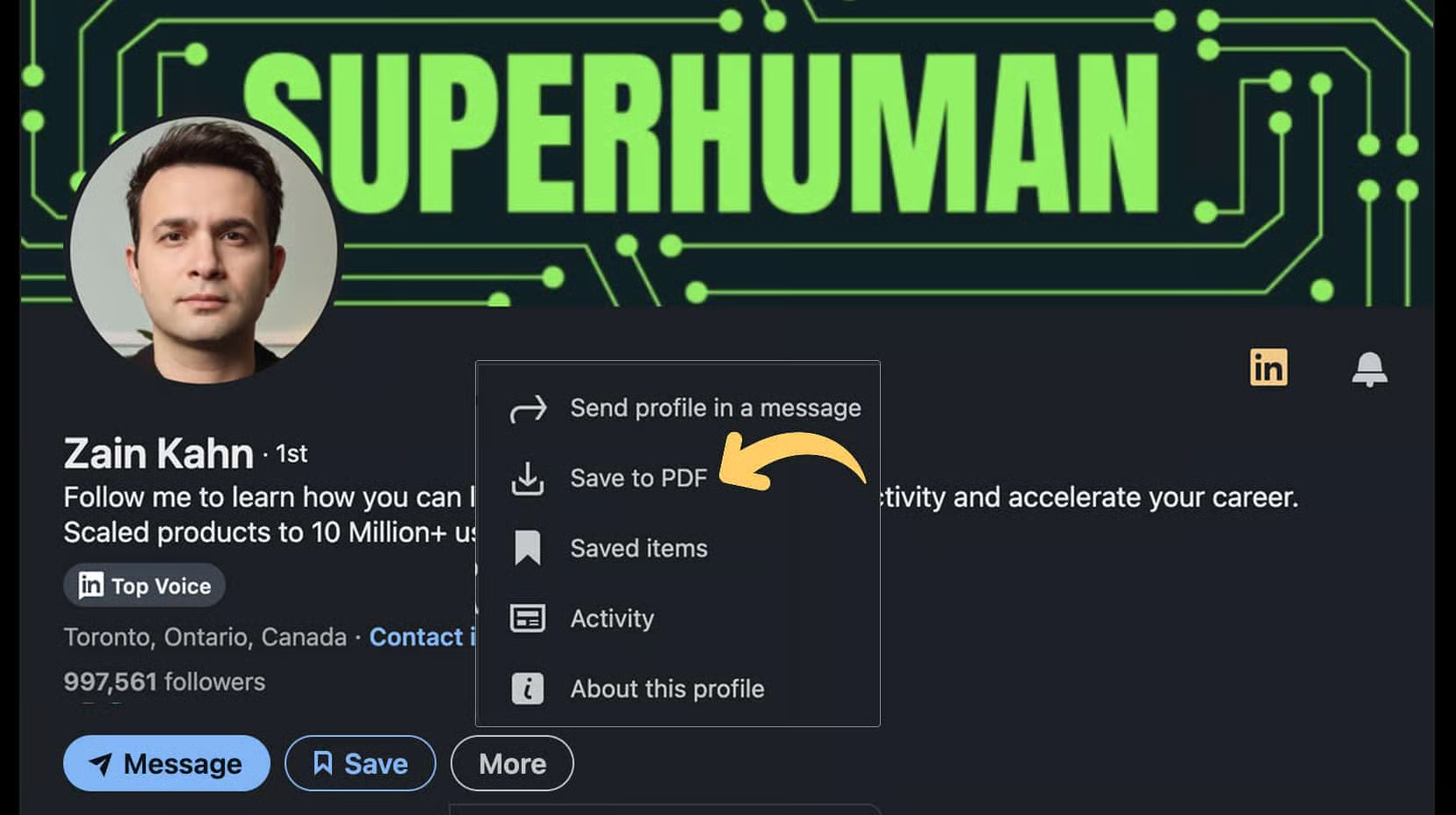
1️⃣ Export Your LinkedIn Profile: Go to your LinkedIn profile → Click More → Select Save to PDF. This gives you a structured version of your current positioning.
2️⃣ Open Gemini With Canvas And Thinking Enabled: Use Google Gemini Pro and activate both Canvas and Thinking modes. This allows deeper reasoning and structured editing.
3️⃣ Upload Your Profile And Use A Strategic Prompt: Upload your PDF and use a prompt that forces clarity before rewriting.
Sample Prompt:Before rebuilding and optimizing my LinkedIn profile, ask me clarifying questions. Request my primary goal (sales calls, leads, job offers, newsletter growth, authority positioning). Ask for my target audience (be specific). Ask for my main offer. Ask for up to two Featured links (URL + description). Ask for key social proof to highlight (audience size, revenue, brands, media mentions). Once you have this, rewrite my full LinkedIn profile including headline, About section, and experience.
4️⃣ Answer The Clarifying Questions: Gemini will first gather strategic inputs. Provide detailed answers so the rewrite aligns with your business objective, not just your job history.
5️⃣ Review And Refine Inside Canvas: Select specific sections and click Extend to refine tone, clarity, or positioning. Adjust until the narrative matches your voice and goals.
6️⃣ Publish The Optimized Version: Copy the optimized headline, About section, and experience entries back into LinkedIn.
The Takeaway
A high-performing LinkedIn profile starts with strategy, not adjectives. By clarifying your goal, audience, and offer first, Gemini can transform your profile from a career summary into a lead-generating asset.
As we prepare more "Growthful" content, we'd love to hear your thoughts on today's edition! Feel free to share this with someone who would appreciate it. 🥰