Google’s Hidden Ads Update
🎯 Master Google’s new attribution model, then build an AI system that manages your professional relationships.

Hey there 🧠
Ready for another day of staying ahead of the competition in the Growth race?
Oh and before we go ahead! If your friend sent this to you, be sure to subscribe here! So you don’t miss out on any editions.
In Partnership with Tatari
Forward 2026: A Forum for the Future of TV Advertising on Oct. 29, NYC
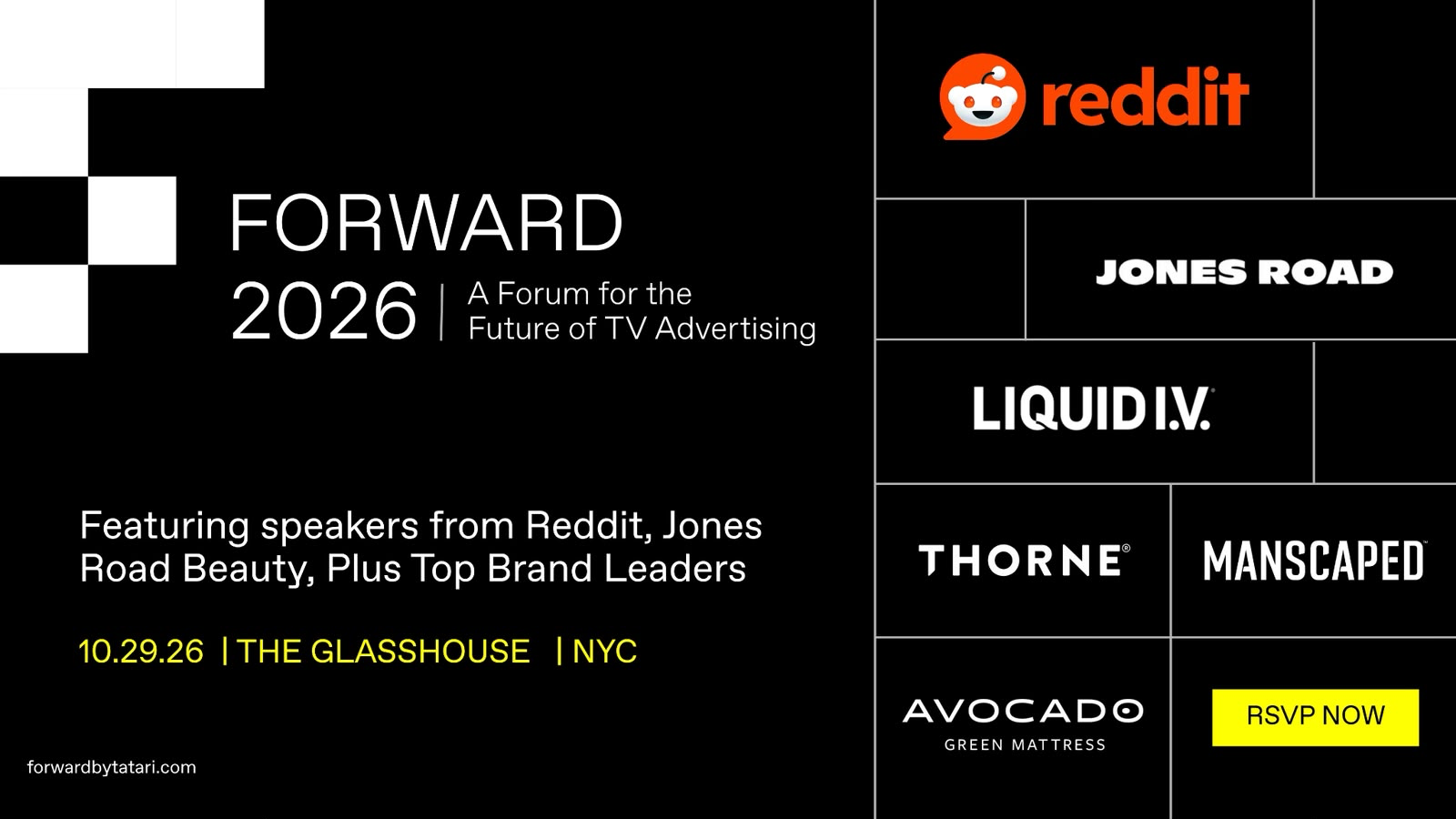
Paid social is getting harder to scale, while creator discovery and AI are changing how customers find brands.
If you keep relying on the same digital playbook, your acquisition costs can rise before your team finds the next reliable growth channel.
On October 29 in New York City, Forward by Tatari puts you in the room with leaders already adapting.
- Hear Reddit CEO and co-founder Steve Huffman share how one of the internet’s biggest communities thinks about discovery, followed by an open Q&A.
- See how Cody Plofker and leaders from Liquid I.V., MANSCAPED, Thorne, and Avocado Green Brands are approaching customer acquisition and full-funnel growth.
- Learn how brands use TV to produce measurable growth beyond crowded digital channels.
Bring your toughest growth question for a chance to have it answered by Reddit’s CEO or the marketer who helped take Jones Road to nine figures.
Attendance is free, but in-person space is limited.
💡 Google Ads Now Has Only Two Attribution Models. Here’s What You Need To Know
Google Ads attribution has become much simpler.
After retiring four attribution models, Google now offers just Last Click and Data-Driven Attribution (DDA). Understanding the difference is critical for measuring campaign performance accurately.
Here’s what changed.
1️⃣ Only Two Attribution Models RemainGoogle retired First Click, Linear, Time Decay, and Position-Based attribution. Today, advertisers can choose only between Last Click and Data-Driven Attribution.
2️⃣ Last Click Rewards Only The Final TouchpointUnder Last Click attribution, the final interaction before conversion receives all the credit. Earlier touchpoints like YouTube ads, Display campaigns, or non-brand searches receive none, even if they influenced the buying decision.
3️⃣ Data-Driven Attribution Reflects The Entire JourneyData-Driven Attribution uses AI to evaluate how different Google Ads interactions contribute to each individual conversion. Credit is distributed across touchpoints based on their estimated influence rather than simply rewarding the final click.
4️⃣ Expect Fractional ConversionsBecause multiple campaigns can share credit for a single conversion, reports may display values such as 0.25 or 0.6 conversions. These fractional numbers represent shared attribution across the customer journey.
5️⃣ Choose The Right Model For Your BusinessLast Click can work for short, straightforward purchase journeys. Businesses with longer sales cycles generally benefit more from Data-Driven Attribution because it recognizes the contribution of awareness and consideration campaigns.
Why It Works
Customers rarely convert after a single interaction. Data-Driven Attribution provides a more complete view of how different marketing activities influence conversions, helping advertisers allocate budgets more effectively.
The Takeaway
Attribution isn’t about identifying the last click. It’s about understanding the entire customer journey. For most advertisers, Data-Driven Attribution offers a more realistic picture of what actually drives conversions.
💡 How To Build A Personal Follow-Up System With Instinct
Great opportunities are often lost because of missed follow-ups.
With Instinct, you can automatically track important conversations, identify outstanding commitments, and receive reminders before relationships go cold.
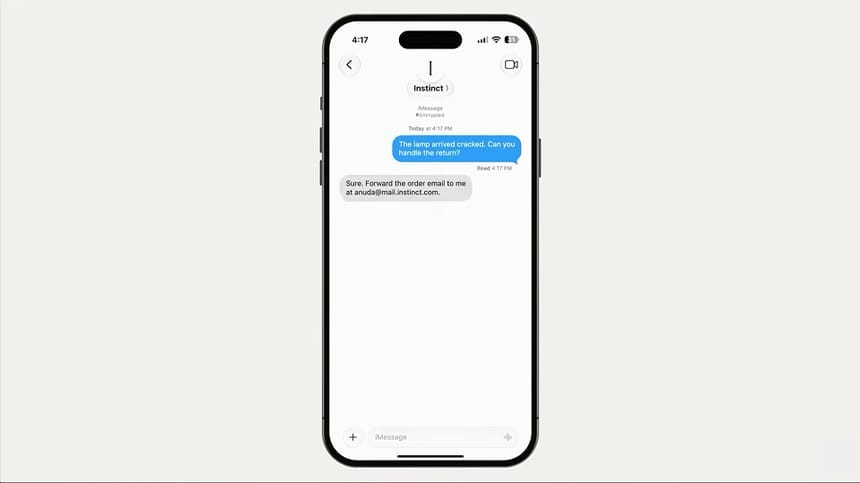
Here’s how to set it up.
1️⃣ Connect Your Communication ChannelsOpen Instinct and connect the email, calendar, and messaging platforms you want it to monitor.
2️⃣ Identify Your Priority RelationshipsTell Instinct which contacts matter most, such as clients, prospects, partners, vendors, candidates, or key colleagues.
3️⃣ Define Your Follow-Up RulesSpecify what should trigger a reminder. For example, unanswered emails after three days, promised introductions, or commitments without a clear next step.
Sample Prompt
Keep track of my important professional follow-ups. Watch conversations with [people/companies/clients] and flag anything I’ve promised to do, messages awaiting my reply, and threads that have gone quiet for more than [X days]. Prioritize by urgency and relationship importance. Draft follow-ups when useful, but do not send anything without my approval.
4️⃣ Keep Conversations In ContextForward important email threads to your Instinct email address or include it in relevant group conversations so it can monitor decisions, tasks, and pending actions.
5️⃣ Review Your Follow-Up BriefAsk Instinct to generate a daily or weekly summary highlighting who needs attention, why they matter, the last interaction, and the recommended next action. Refine its rules over time to match your preferred workflow while keeping important actions subject to your approval.
Why It Works
Instead of relying on memory or scattered reminders, Instinct continuously monitors important conversations and ensures valuable relationships receive timely follow-ups.
The Takeaway
Consistent follow-up builds stronger professional relationships. An AI-powered follow-up system helps you stay organized, respond on time, and never let important opportunities slip through the cracks.
As we prepare more "Growthful" content, we'd love to hear your thoughts on today's edition! Feel free to share this with someone who would appreciate it. 🥰