Fix Your Link Strategy
🧠 Your SEO can collapse overnight from bad links, while global campaigns fail from targeting the wrong markets.

Hey there 🧠
Ready for another day of staying ahead of the competition in the Growth race?
Oh and before we go ahead! If your friend sent this to you, be sure to subscribe here! So you don’t miss out on any editionsr.
In Partnership with Planable
The AI event for marketing leaders: BreakingSilos 2026 on June 9th
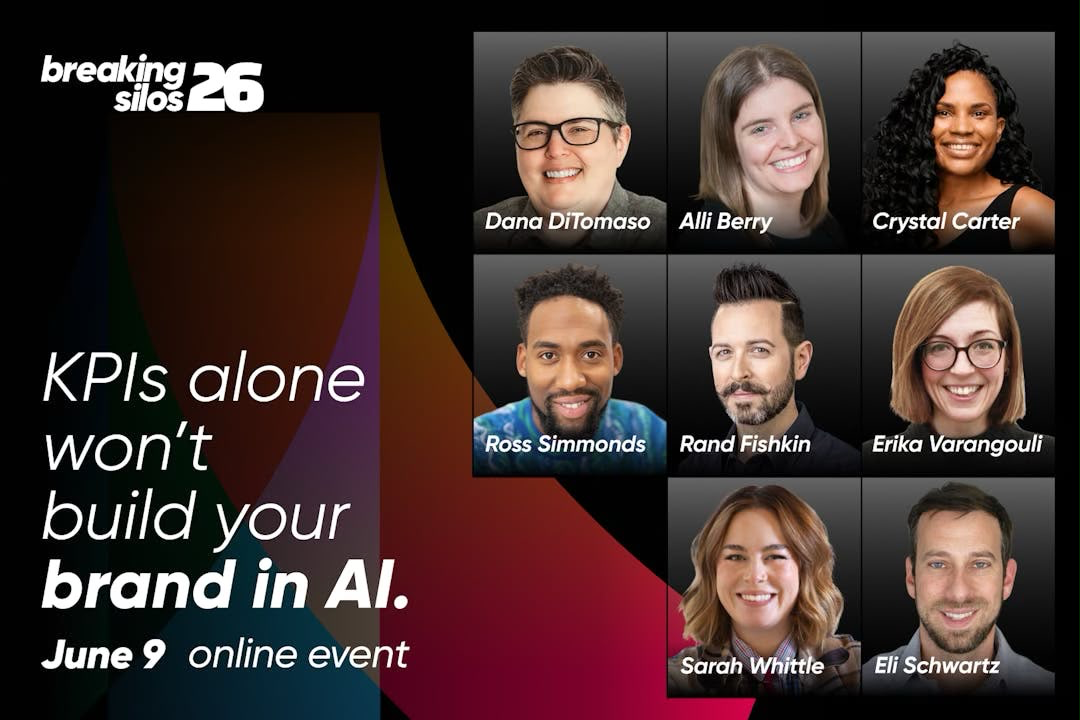
AI is answering for your brand. You didn't write those answers.
AI tools are already forming opinions about your brand using signals you never curated. Recommending competitors. Shaping buyer decisions before your funnel even starts.
BreakingSilos 2026 brings together the practitioners who've cracked this. Free. Online. Tomorrow.
The sessions go deep on why AI forms brand opinions from signals you never controlled, where attribution is silently bleeding your BOFU performance, and what a cross-channel signal strategy actually looks like in 2026.
You'll leave with:
- A clear map of how AI decides which brands to surface and what inputs actually move the needle
- A cross-channel framework connecting your SEO, social, PR, and content signals into one strategy
- The language and data to get your org aligned around ecosystem thinking
30+ sessions. 70+ speakers. Zero vendor pitches.
Reserve your free spot today and find out where the signal breaks.
💡 How To Recover From A Google Link Penalty
A Google link penalty can destroy your traffic overnight. But the real damage happens when you try to fix it without a clear process. Recovery is possible, but only if you approach it methodically.
Here’s how to do it right.
1️⃣ Diagnose The Problem Before Acting: Do not assume it is a link issue. Check Google Search Console for manual actions. If there is no message, analyze traffic drops and correlate them with algorithm updates. Rule out technical issues first.
2️⃣ Gather Complete Data Sets: Pull performance data, backlink reports, and link profiles from multiple tools. This gives you a full picture of what changed and where the risk lies.
3️⃣ Map Activities Against The Timeline: Align traffic drops with past campaigns like PR, affiliate pushes, or influencer collaborations. This helps identify which actions may have triggered the penalty.
4️⃣ Audit Backlinks Systematically: Classify links by type such as editorial, spam, directories, or private networks. Evaluate whether each domain has real credibility or shows signs of manipulation.
5️⃣ Document Risks Clearly: Do not just mark links as bad. Explain why they are harmful. This creates a defensible record, especially for reconsideration requests.
6️⃣ Use Disavow Strategically: Remove entire domains for obvious spam networks. Use URL-level disavow for isolated bad links on otherwise credible sites.
7️⃣ Submit A Strong Reconsideration Request: Be transparent. Acknowledge the issue, show what was fixed, list disavowed links, and explain how you will prevent future problems.
8️⃣ Rebuild Authority Gradually: Focus on earning links through valuable content like original data, research, and practical insights. Avoid aggressive tactics.
9️⃣ Track Recovery With The Right Signals: Monitor impressions, keyword rankings, and brand-based links. Recovery takes time, and informational pages often recover first.
The Takeaway
You cannot shortcut recovery from a link penalty. The only way out is through structured cleanup, transparency, and rebuilding trust. Guesswork makes it worse. Process fixes it.
💡 Why Most World Cup Campaigns Miss The Biggest Opportunity
Global events like the World Cup feel like a chance to target everyone. But spreading your budget across too many regions often dilutes impact. The real advantage comes from focusing on where attention is strongest.
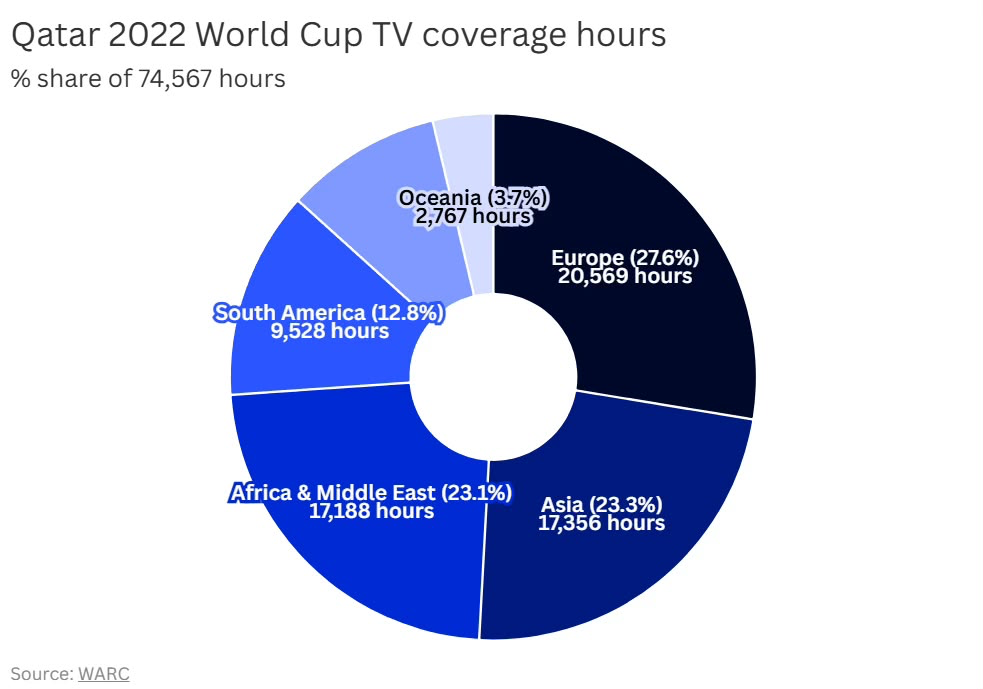
Here’s how to approach it strategically.
1️⃣ Not All Markets Are Equal: While Europe leads in overall coverage, Asia and Africa with the Middle East together account for nearly half of global engagement. These regions represent massive, often underutilized audiences.
2️⃣ Cultural Intensity Drives Attention: In certain markets, football is more than entertainment. It is deeply embedded in culture. Campaigns in these regions benefit from higher emotional engagement and stronger response rates.
3️⃣ Emerging Markets Offer High Leverage: Asia and the Middle East are not secondary markets anymore. They provide scale, attention, and growing purchasing power, making them critical for campaign success.
4️⃣ Host Countries Create Natural Momentum: When a country hosts the event, local interest spikes significantly. This creates a multiplier effect where engagement, spending, and visibility all increase.
5️⃣ North America Is A Growing Opportunity: With rising interest and hosting advantages, this market is becoming increasingly valuable for targeted campaigns aligned with match timings.
6️⃣ Localization Beats Global Spread: Instead of running generic global campaigns, tailor messaging, timing, and creatives to specific regions for better performance.
7️⃣ Timing And Geo Targeting Matter: Running ads during key matches and targeting specific cities or regions where viewership peaks can significantly improve effectiveness.
The Takeaway
Global reach does not mean equal focus everywhere. The brands that win are the ones that concentrate their efforts where attention is highest and engagement is strongest. Precision beats spread.
As we prepare more "Growthful" content, we'd love to hear your thoughts on today's edition! Feel free to share this with someone who would appreciate it. 🥰