Fake Consensus Drives Real Purchases
📊 As large brands chase algorithms and visibility, smaller ones win by saying what others will not.

Hey there 🧠
Ready for another day of staying ahead of the competition in the Growth race?
Oh and before we go ahead! If your friend sent this to you, be sure to subscribe here! So you don’t miss out on any editions.
Partnership with Templafy
Your team is prompting AI decks. Your brand has no idea.
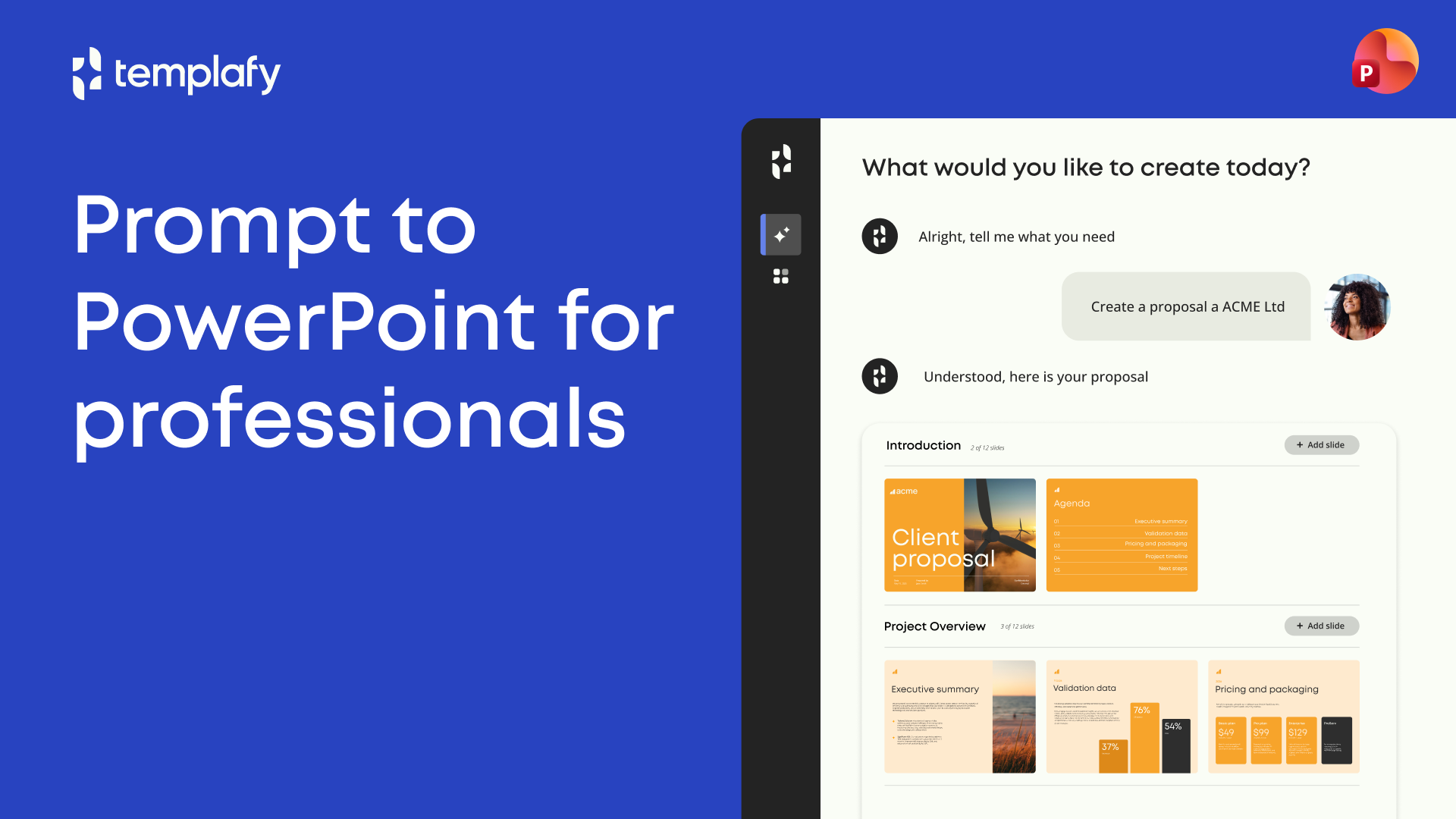
Every presentation your team generates without guardrails is a brand liability waiting to happen.
Templafy works inside PowerPoint. You set the brand rules, approved assets, and content guardrails once. Every AI-generated deck your team builds after that follows them automatically.
- Brand rules are enforced on every AI-generated deck
- Client-ready presentations that are on-message by default
- 4M+ users at Adobe, KPMG, and Pandora are already running on it
BDO saved $1.65M in a year. Adobe teams got back 72% of their time. Your brand shows up right, every time, without you having to police it.
💡 How Pluralistic Ignorance Shapes What People Buy
You have probably agreed with something publicly that you privately disagreed with. Not because you believed it, but because it felt like everyone else did. That gap between private belief and public behavior is called pluralistic ignorance. It quietly shapes what people buy, use, and stay loyal to, even when they are not fully convinced.
Here’s how it works and how brands use it.
1️⃣ People Follow What They Think Others Believe: Individuals often assume others support something more than they actually do. A 1993 Princeton study by Prentice and Miller showed students were uncomfortable with heavy drinking, yet believed peers were fine with it, which kept the behavior going.
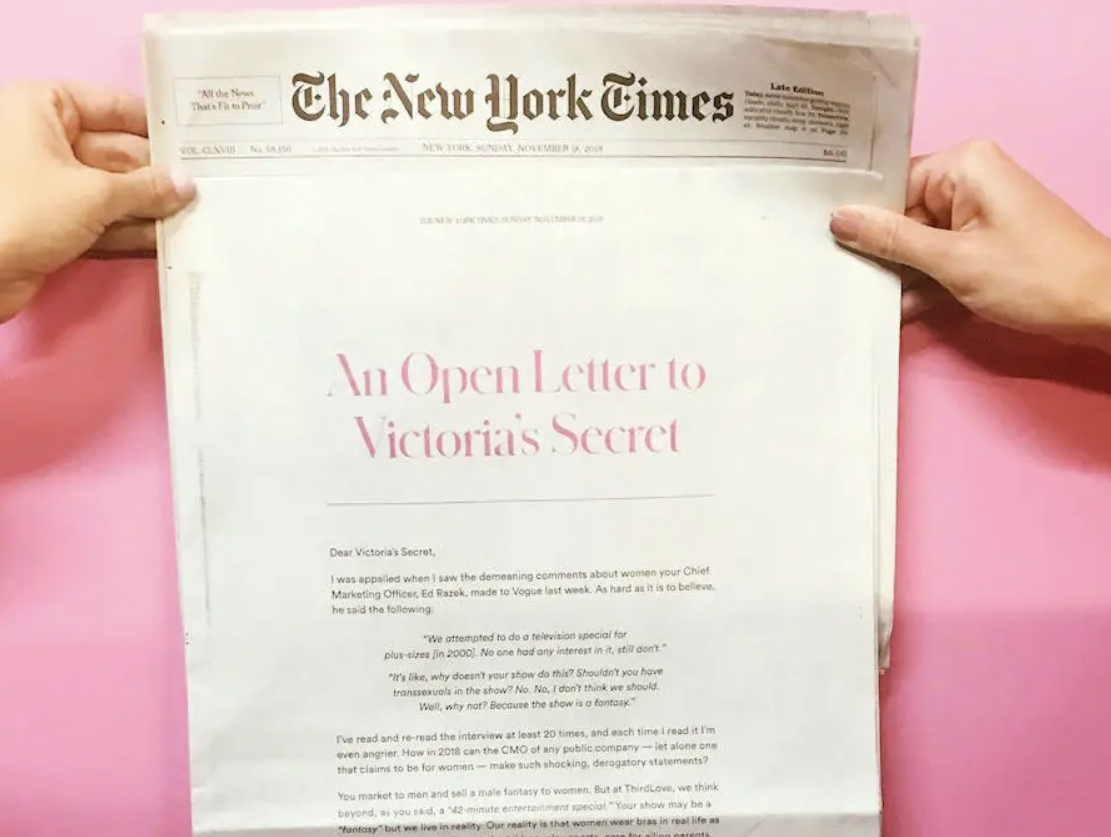
2️⃣ Surface What People Won’t Say Out Loud: ThirdLove built its brand by calling out a hidden frustration, that standard bra sizing does not fit most women. Their data showed 37% fall between sizes, and their New York Times letter turned a private issue into a shared movement.
3️⃣ Turn Usage Into Social Proof: Loom embedded visibility into its product by making every shared video a signal of adoption. As more people saw Loom links, it created the feeling that everyone was using it, helping the brand scale to over 25 million users.
4️⃣ Use Honest Positioning To Break Norms: Surreal entered the cereal market by openly admitting healthy cereal tastes bad and fun cereal is unhealthy. Their blunt positioning and unconventional campaigns helped them grow into one of the fastest growing cereal brands in the UK.

5️⃣ Silence Creates False Consensus: When people do not voice doubts, it creates the illusion that everyone agrees. This drives purchases, subscriptions, and loyalty based on perceived norms, not actual preference.
6️⃣ Brands Can Reinforce Or Break It: You can either amplify the illusion by showing widespread adoption, or break it by saying what your audience already believes but will not express.
The Takeaway
People do not always follow what they believe, they follow what they think others believe. The brands that win either reinforce that perception or challenge it directly. Find the silent majority, give them a voice, and you create loyalty that feels personal and shared at the same time.
💡 Are You Writing For Humans Or Algorithms
Most teams think they need to optimize for search engines and AI to win visibility. But that shift is creating a quiet divide. Large companies are chasing discoverability through algorithms, while smaller brands are focusing on something simpler and often more effective, real human connection. The question is not what works more, it is what works for you.
Here’s what the data reveals.
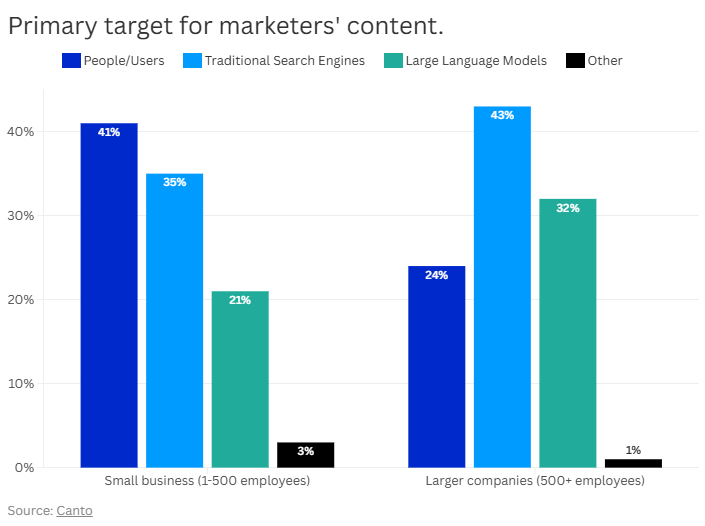
1️⃣ Big Brands Optimize For Algorithms: Larger companies are focusing heavily on search engines and LLMs, with 43% targeting search and 32% writing specifically for AI visibility. Their strategy is built around scale and discoverability.
2️⃣ Smaller Brands Focus On People: Businesses with fewer than 500 employees prioritize direct human engagement, with 41% focusing on users instead of algorithms. They rely on connection, not just reach.
3️⃣ Discoverability Is Not Everything: Search engines and AI can bring visibility, but they do not guarantee trust or conversion. Being found is different from being chosen.
4️⃣ Personality Becomes Your Advantage: AI favors generic and correct answers, but people respond to opinions and perspective. Smaller brands win by sounding human and relatable.
5️⃣ Opinionated Content Stands Out: Content that takes a stance, shares a viewpoint, or reflects values creates stronger connection. This is harder for AI generated content to replicate.
6️⃣ Play To Your Strength: Large companies compete on scale, smaller ones compete on authenticity. Trying to do both often weakens your positioning.
The Takeaway
You do not need to win the algorithm game to win customers. If you are a smaller brand, your edge is not volume, it is connection. Write for humans, not systems, and you will stand out where it actually matters.
As we prepare more "Growthful" content, we'd love to hear your thoughts on today's edition! Feel free to share this with someone who would appreciate it. 🥰