Context is the authority
🤖 Why AI citations shape the new buyer journey, and build consulting-grade reports with Kimi.

Hey there 🧠
Ready for another day of staying ahead of the competition in the Growth race?
Oh and before we go ahead! If your friend sent this to you, be sure to subscribe here! So you don’t miss out on any editions.
Partnership with Cloudways
You’re Paying for Traffic That Never Converts
A chunk of your paid traffic never reaches the funnel because the page hesitates on first load. Every second of delay quietly inflates CAC before you even see it in the dashboard.
Join Cloudways Bootcamp on March 10–11 and watch that leak get diagnosed in real time. Live production sites are dissected on screen so you can see exactly what’s dragging load time once traffic hits and what to change immediately.
- Roundtable discussions on real agency performance issues
- Use AI to debug performance issues faster
- See how high-traffic sites stay under 2 seconds
1500+ attendees, 8 live sessions, and 20+ speakers sharing real-world patterns across two focused days.
If performance drag is quietly taxing your growth, this is where you fix it.
💡 New Buyer Journey Starts With AI Citations. Here’s How To Build Them
Ranking number one on Google used to be the goal. Now the real estate that matters is inside AI answers.
According to Charlie Marchant, the buyer journey increasingly begins with AI platforms. If your brand is not cited in their Sources panels, you are invisible to a growing segment of users.
Billions of searches still happen daily, but being referenced inside the answer can now be more valuable than owning the top blue link.
1️⃣ Think In Prompts Not Keywords: Start by identifying the real questions your customers ask. Speak with sales teams, analyze CRM conversations, and browse communities like Reddit. Turn these insights into a list of 20 high value natural language prompts. A keyword is a fragment. A prompt reflects a conversation.
2️⃣ Reverse Engineer AI Citations: Manually input your target prompts into AI platforms and record which publications are consistently cited. Build a spreadsheet of domains the model appears to trust. This reveals exactly where your brand needs contextual mentions.
3️⃣ Prioritize Context Over Links: AI models care less about the link type and more about how your brand is described. A no-follow link still teaches the model if your CRM is labeled the best option for small teams. Context becomes the authority signal.
4️⃣ Secure Mentions On Trusted Sources: If the same industry blogs are repeatedly cited, focus outreach there. Guest contributions, best of lists, and data-driven pieces increase your chances of being referenced in future answers.
5️⃣ Keep Content Fresh And Relevant: AI systems favor up-to-date content. Proactive engagement with frequently cited domains helps maintain visibility as models evolve.
The Takeaway
AI visibility is no longer optional. The brands that understand prompt intent, analyze citation patterns, and secure contextual mentions will shape the new buyer journey. In this landscape, context is the new authority.
💡 How To Create McKinsey Grade Industry Reports With Kimi K2.5
High-quality industry reports usually require weeks of research, design, and formatting. Kimi 2.5 compresses that process into a structured AI workflow.
Here is how to use it to generate consulting level reports.
1️⃣ Select The Right Model: Sign up to Kimi and choose the Kimi 2.5 Agent model. This version is optimized for structured analysis, strategic comparisons, and formatted outputs rather than casual responses.
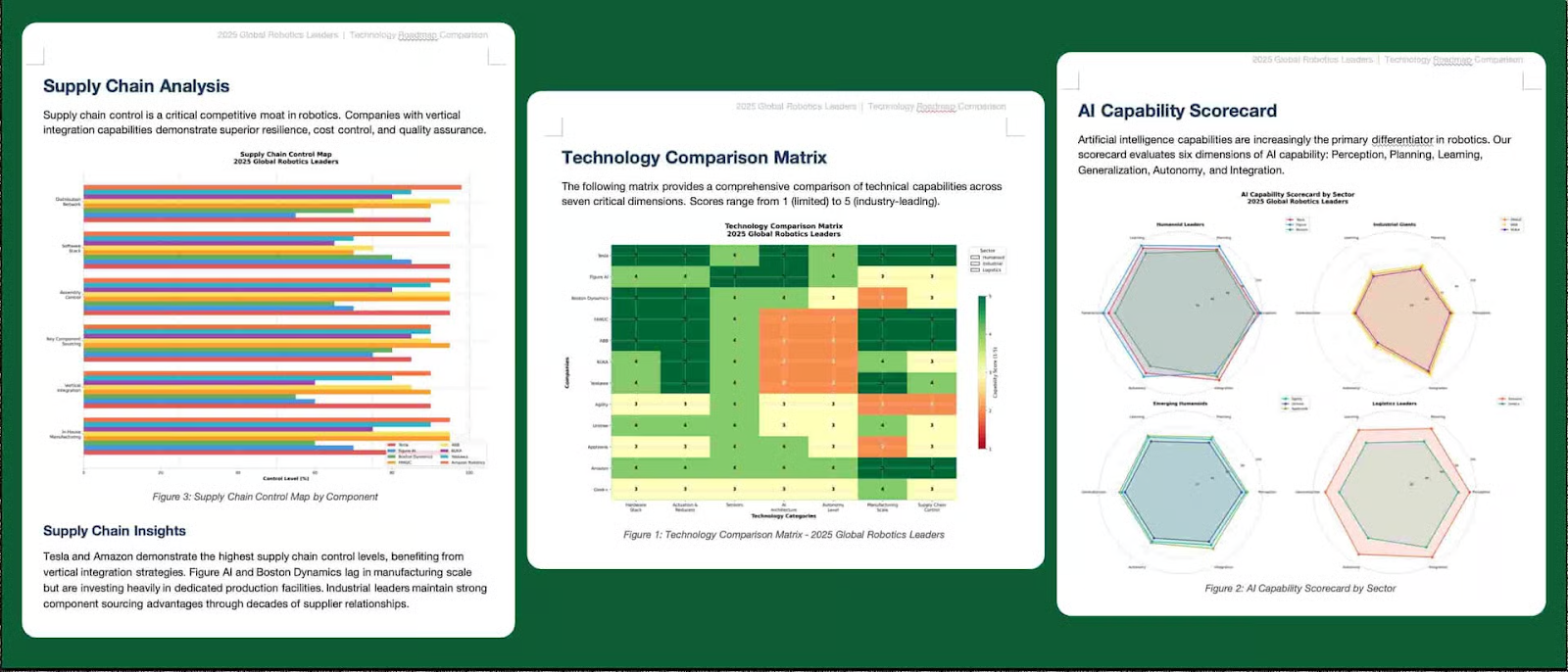
2️⃣ Write A Detailed Strategic Prompt: The quality of your report depends on the clarity of your instructions. Define the scope, companies, comparison criteria, and required frameworks. For example, request a Global Robotics Leaders report comparing hardware stack, sensors, AI architecture, autonomy level, manufacturing scale, and supply chain control.
Be explicit about deliverables such as a Technology Comparison Matrix, AI Capability Scorecard, Supply Chain Map, and 2x2 Quadrant positioning. The more structured your request, the more institutional the output.
3️⃣ Specify The Style And Formatting: If you want a consulting-style document, say so. Mention equity research format, clean tables, structured visuals, and strategic graphics. You can even request official company logos and quadrant charts for professional polish.
4️⃣ Generate And Review The Report: Within minutes, Kimi produces a downloadable Word file that includes formatted tables, comparison matrices, and visual frameworks. Review for accuracy, refine any sections if needed, and customize language for your audience.
Why It Matters: Consulting grade outputs are no longer limited to large firms. With precise prompts and structured instructions, you can generate institutional level analysis suitable for strategy decks, investor briefings, or executive summaries.
The Takeaway
Kimi 2.5 transforms detailed prompts into strategic reports with structured visuals and comparative frameworks. When you define the scope clearly, the AI handles the heavy lifting, reducing weeks of work to minutes.
As we prepare more "Growthful" content, we'd love to hear your thoughts on today's edition! Feel free to share this with someone who would appreciate it. 🥰