Before You Edit, Do This First
📚 See how a simple framework improves content quality, then turn Grok Bot into a focused daily security-monitoring workflow.

Hey there 🧠
Ready for another day of staying ahead of the competition in the Growth race?
Oh and before we go ahead! If your friend sent this to you, be sure to subscribe here! So you don’t miss out on any editions.
In Partnership with Notion
The Hidden ROI of a Clean Workspace
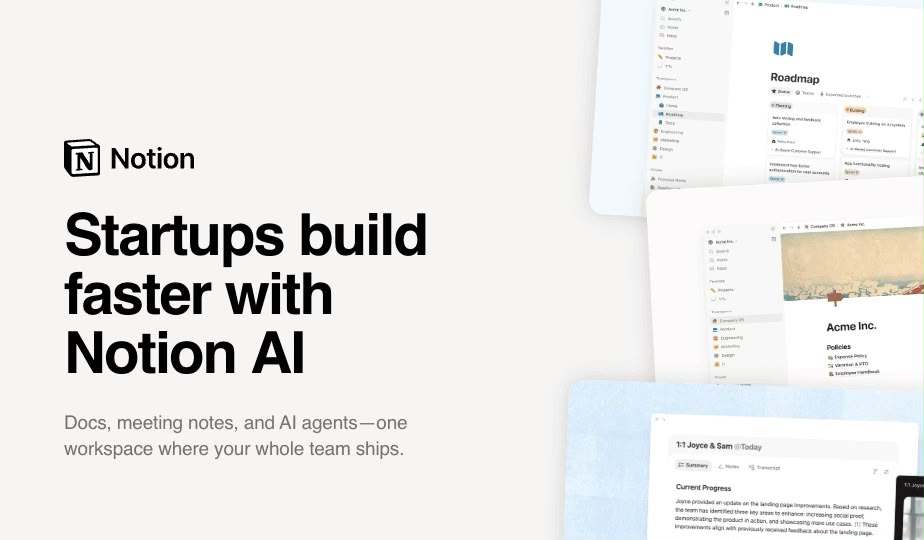
Founders usually look for ROI in obvious places: ad spend, hiring, software costs, or sales performance. But one of the highest-leverage investments is often harder to see on a balance sheet: operational clarity.
When a company’s internal workspace is messy, the cost shows up through duplicate work, slower decisions, missed handoffs, lost context, and founder time spent chasing information. Even small improvements can create meaningful returns.
If a 10-person team saves just 20 minutes per person each day by reducing searching, re-asking, and rebuilding work, that adds up to more than 30 hours recovered every week.
For an early-stage company, that is nearly the equivalent of adding another full workweek of capacity without increasing headcount.
A clean workspace also reduces risk. Decisions are easier to audit, customer and contract details are easier to preserve, onboarding becomes more consistent, and AI becomes more useful because it has better structured knowledge to work with.
AI does not replace good systems. It compounds them. The more organized the workspace, the more value founders can unlock from automation, search, summaries, and knowledge management. Turn operational clarity into a competitive advantage.
Try Notion today and get up to 3 months free of Notion Business with Notion AI.
💡 A Simple Scoring System Can Improve Content Quality
Not every draft needs the same level of attention.
Christine Skopec, who edits more than 115 articles a year for Semrush, built a framework to decide how much work each piece actually needs.
Here’s how it works.
1️⃣ Define The Review Approach First: Christine uses five levels: Overhaul, Rework, Deep Dive, Lighter Touch, and No Notes.
Each one represents a different level of intervention, from major structural changes to minor fixes.
2️⃣ Score The Draft Across Four Areas: Rate the piece based on article quality, article type, article importance, and writer experience.
Each category gets a score from 0 to 2, creating a total score out of eight.
3️⃣ Let The Score Guide The Process: A score of 0 means Overhaul, 1–2 means Rework, 3–4 means Deep Dive, 5–6 means Lighter Touch, and 7–8 means little or no feedback.
This creates a consistent way to decide where time and effort should go.
4️⃣ Help Writers Improve Over Time: Writers should gradually score higher as they understand expectations better.
Christine uses the BLUF principle — Bottom Line Up Front — encouraging writers to lead each section with the main takeaway.
5️⃣ Fact-Check Every Draft: Strong writing still needs verification.
Names, primary sources, product claims, statistics, and SEO assertions should be checked regardless of how polished the draft looks.
Why It Works
A scoring framework reduces inconsistency and helps teams focus effort where it matters most.
It also gives writers a clearer standard to improve against over time.
The Takeaway
Don’t treat every draft the same.
Score it first, choose the right level of intervention, and build a repeatable system for improving content quality.
💡 Turn Grok Bot Into A Daily Cybersecurity Briefing System
Security teams don’t need more alerts.
They need a faster way to separate critical threats from background noise.
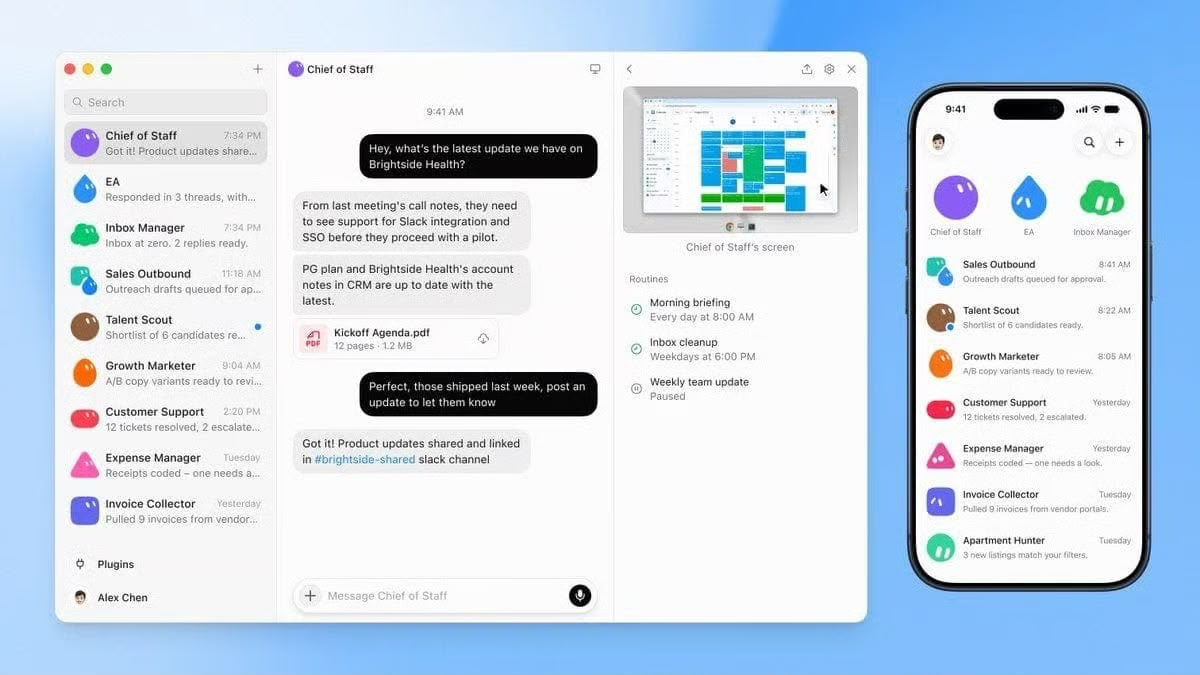
Here’s how to build it.
1️⃣ Create A Cybersecurity Monitoring Bot: Open Grok Bot and create a dedicated Bot for security monitoring.
Define the topics you want tracked, such as ransomware, zero-days, phishing, cloud security, vulnerabilities, and data breaches.
2️⃣ Prioritize Trusted Sources: Tell the Bot to give more weight to CISA, vendor advisories, security researchers, and reputable cybersecurity publications.
This helps reduce noise from unverified posts and low-quality sources.
3️⃣ Make Every Update Actionable: Ask Grok Bot to explain what happened, why it matters, the severity, affected products, recommended actions, and the original source.
You can also tailor the brief around the tools and vendors your company already uses.
4️⃣ Refine Before Automating: Run the workflow manually first.
Remove topics that generate too much noise, add the vendors that matter most, and adjust the scope until the brief consistently surfaces useful information.
5️⃣ Schedule It As A Routine: Once the workflow is reliable, save it as a Skill and create a Routine to run every weekday morning or on your preferred schedule.
Format the output into Critical Now, Watchlist, Recommended Actions, and Source Links so the team can scan it quickly.
Why It Works
Cybersecurity information moves quickly, but not every development deserves immediate attention.
A structured AI brief helps teams monitor relevant threats without manually checking dozens of sources every day.
The Takeaway
The goal isn’t more security news.
It's a better signal.
Define the risks that matter, prioritize trusted sources, refine the workflow, and automate a brief your team can actually act on.
As we prepare more "Growthful" content, we'd love to hear your thoughts on today's edition! Feel free to share this with someone who would appreciate it. 🥰