Ad Spend Is Outrunning Intent
🛒 Learn why more ad spend doesn’t automatically mean more buyers, then learn why retailers are preparing for AI shopping agents before shoppers fully trust them.

Hey there 🧠
Ready for another day of staying ahead of the competition in the Growth race?
Oh and before we go ahead! If your friend sent this to you, be sure to subscribe here! So you don’t miss out on any editions.
In Partnership with Omnisend
Your next customer is already in your comments
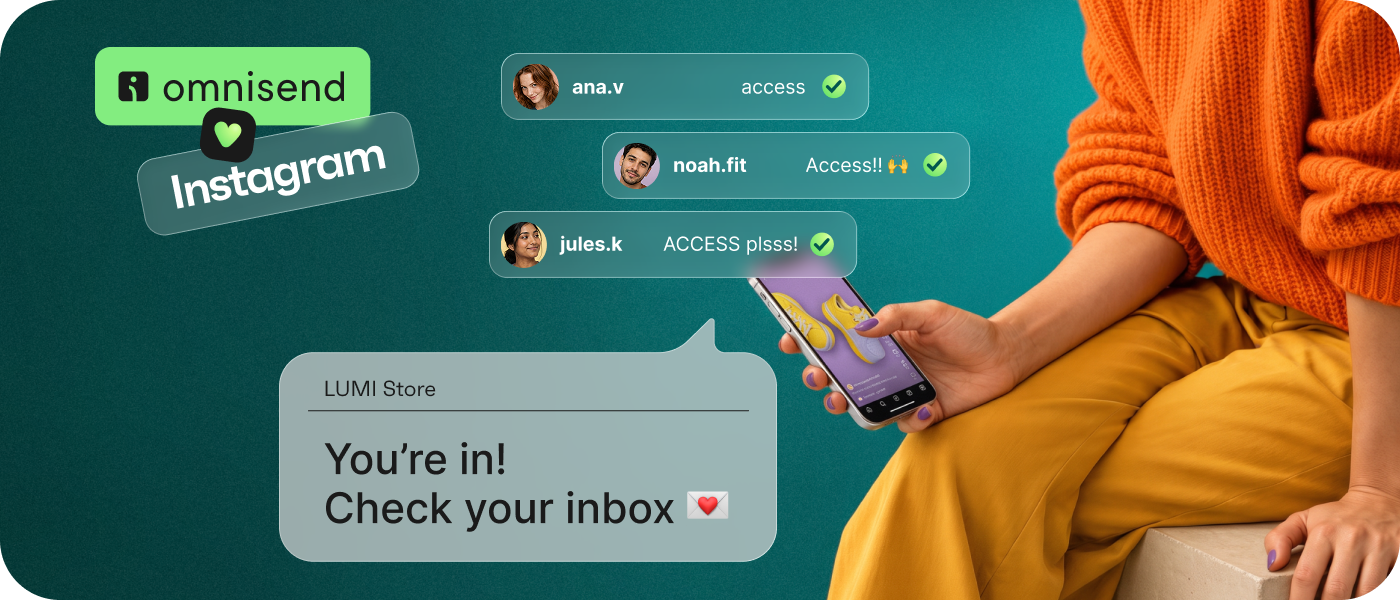
Someone follows your brand because they like what you’re selling. But when your next sale goes live, they could scroll past without ever seeing the offer.
You’ve already earned their interest. Omnisend’s Instagram integration helps you turn it into an email signup, so you can reach them when it’s time to buy.
Ask shoppers to comment a keyword like “OFFER” for a discount. Social Capture automatically DMs them asking for their email. It works with keyword messages, too.
Those who subscribe go straight into your Omnisend list, ready for your welcome series. Your next sale now has an audience you can email directly.
Connect it before your next promotional post to give interested shoppers a reason to subscribe. Social Capture is included in all paid plans.
New to Omnisend? It is trusted by 150,000+ brands for email and SMS marketing, with free migration to get you switched over in up to five business days.
💡 ChatGPT Ad Spend Is Surging, But Shopping Intent Still Looks Limited
Advertisers are moving more money into ChatGPT.
But the bigger question is whether enough users are actually there to buy.
Here’s what the latest data shows.
1️⃣ US Ad Spend More Than Doubled: AdClarity estimates US advertisers spent $70.7 million on ChatGPT ads in October, up from $31.1 million in April.
Across 24 countries, October spend reached $110.6 million.
2️⃣ Developer Software Leads The Spend: Roughly a quarter of ChatGPT ad spend comes from developer software.
That means competition may already be much heavier in some categories than others.
3️⃣ Most Chats Don’t Show Buying Intent: A SparkToro analysis found only 6.9% of sampled US ChatGPT conversations showed purchase intent.
Most responses also mentioned no brand at all.
4️⃣ ChatGPT Is Looking More Like Search: OpenAI is testing layouts with web-only results and short AI summaries followed by more links.
If those formats expand, brands may need to think about ChatGPT as both an ad platform and an organic discovery surface.
5️⃣ AI Visibility Can Shift Quickly: After a major model update, several publishers reportedly saw sharp declines in ChatGPT citations.
That suggests brands should monitor visibility by model and track major OpenAI release dates.
Why It Works
Ad spend can grow faster than actual commercial intent when marketers rush into a new channel.
That makes measurement more important than hype.
The Takeaway
Don’t move budget into ChatGPT just because everyone else is.
Track referral traffic, conversions, citations, and ad performance first, then scale only where your own data proves demand.
💡 Retailers Are Preparing For AI Shopping Agents Faster Than Shoppers Are
Retailers are getting ready for AI agents that can browse and buy products on a customer’s behalf.
Shoppers, however, are still far more cautious.
Here’s what the data shows.
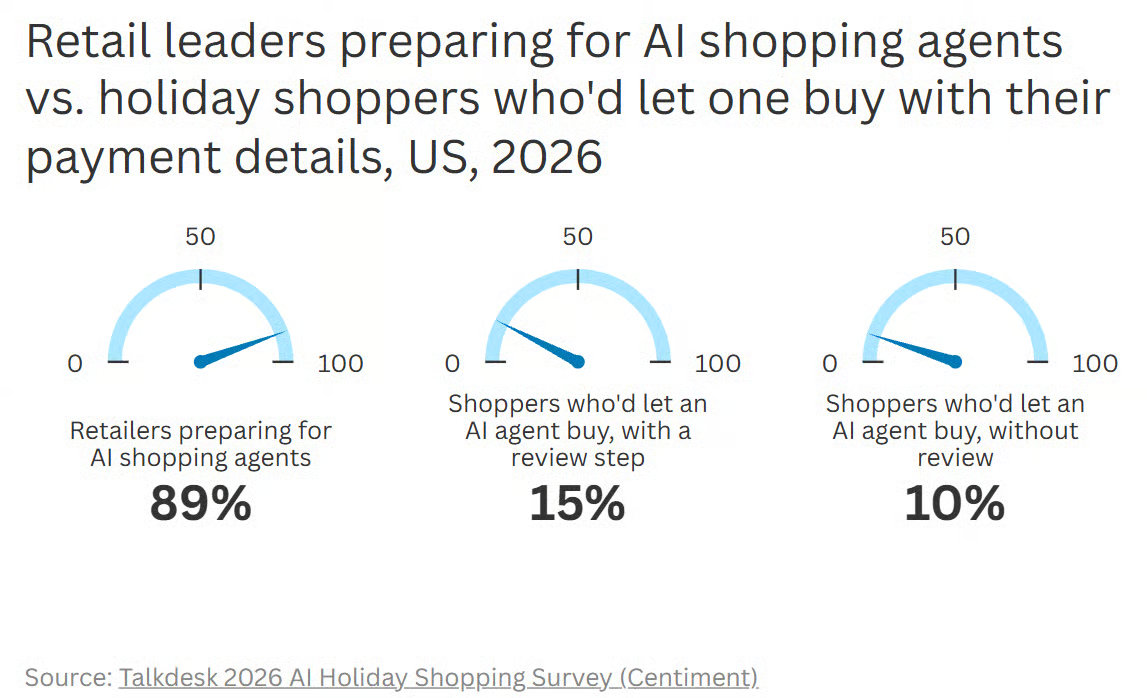
1️⃣ Retailers Are Moving Fast: Talkdesk found that 89% of US retailers are preparing for AI shopping agents.
That suggests businesses expect agent-led commerce to become an important part of the buying journey.
2️⃣ Shopper Willingness Is Much Lower: Only 15% of shoppers said they would let an AI agent purchase using their payment details if they could review the order first.
Without that review step, willingness drops to 10%.
3️⃣ The Trust Gap Is Huge: That creates roughly a sixfold gap between retailer preparation and shopper readiness.
The technology may be advancing faster than customer confidence.
4️⃣ Human Approval Still Matters: Giving shoppers a final confirmation step increased willingness from 10% to 15%.
That shows people may accept more automation when they still control the final decision.
5️⃣ Prepare Without Overcommitting: Retailers should keep product data accurate and machine-readable so agents can understand products correctly.
But agent checkout should complement existing shopping experiences, not replace them yet.
Why It Works
Buying through an agent requires shoppers to trust AI with product choice, pricing, and payment.
One wrong purchase can quickly damage that trust.
The Takeaway
Prepare your store for AI agents, but don’t assume customers are ready to hand over the checkout.
Keep the data clean, preserve human approval, and let adoption prove itself.
As we prepare more "Growthful" content, we'd love to hear your thoughts on today's edition! Feel free to share this with someone who would appreciate it. 🥰